
Simon Glairy is a distinguished expert in maritime insurance and risk management. With years of experience navigating the intersection of geopolitics and global trade, he has become a leading voice on how financial structures protect our supply chains. Today, he joins us to discuss the U.S. government’s groundbreaking move to stabilize the Strait of Hormuz through a massive $20 billion reinsurance initiative.
The new $20 billion maritime reinsurance facility involves a unique partnership between the U.S. government and private insurers. How is the underwriting authority divided between the lead insurer and secondary reinsurance partners, and what specific operational steps are required to verify vessel eligibility for this program?
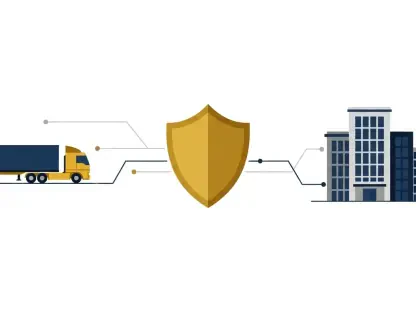
Chubb acts as the lead underwriter, directly issuing policies to vessels while leveraging their premier technical expertise. The DFC and a group of American insurers provide the essential reinsurance capacity to back these policies. To participate, vessels must undergo a verification process to ensure they meet specific criteria defined by the program. This structure allows the government to provide financial weight while the private sector manages the day-to-day risk assessments.
This program provides substantial coverage for Hull, Machinery, and Cargo specifically within the Strait of Hormuz. Why were these insurance categories prioritized for the initial rollout, and how will maintaining $20 billion in rolling capacity help stabilize global energy trade while restoring market confidence?
Prioritizing Hull, Machinery, and Cargo addresses the core physical risks that caused the disruption of trade with Iran. By securing the ships and their freight, the program removes the primary financial barriers preventing tankers from entering the Gulf. The $20 billion rolling capacity acts as a massive signal of stability, reassuring the market that losses will be covered. This commitment is vital for getting energy and commercial trade flowing again through one of the world’s most critical waterways.
Expanding insurance capacity in high-conflict maritime routes requires significant financial backing to offset potential losses. How does the involvement of a government agency influence the risk appetite of private American insurers, and what are the primary trade-offs when using public-private partnerships to manage geopolitical disruptions?
The DFC’s involvement drastically increases the risk appetite of private firms by providing a sovereign safety net. This allows American insurers to provide coverage in volatile zones that would otherwise be uninsurable. The main trade-off is the need for complex operational arrangements between the government and private entities. However, combining government financial commitment with premier private underwriting is the only way to restore market confidence during geopolitical conflicts.
Additional American insurance partners are expected to join this maritime initiative as it matures. What criteria are used to select these secondary reinsurers to ensure market stability, and how will the operational arrangements scale if the program expands beyond its current geographic focus?
Secondary partners are selected based on their ability to provide reliable reinsurance capacity behind Chubb’s lead. The DFC identifies preferred American partners who can help maintain the $20 billion facility on a rolling basis. As the program evolves, these arrangements can scale to cover other regions if global trade is further threatened. This modular approach ensures that the insurance market can adapt to shifting geopolitical tensions while maintaining a steady flow of commerce.
What is your forecast for the maritime insurance market in high-risk zones?
I forecast a growing reliance on public-private partnerships to bridge the gap in high-risk maritime coverage. As regional conflicts become more unpredictable, the traditional market will increasingly depend on government-backed facilities to maintain trade flow. We will likely see these $20 billion rolling models adapted for other vital straits around the world. Ultimately, this collaboration will become the standard blueprint for protecting global energy security against state-sponsored disruptions.