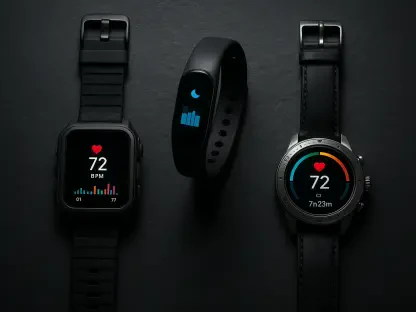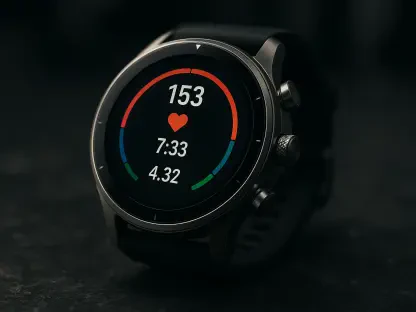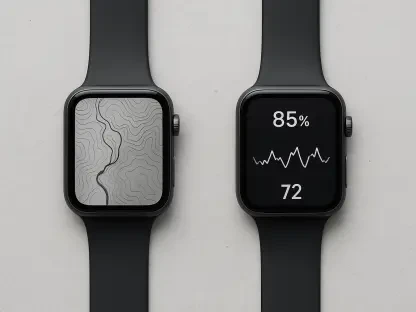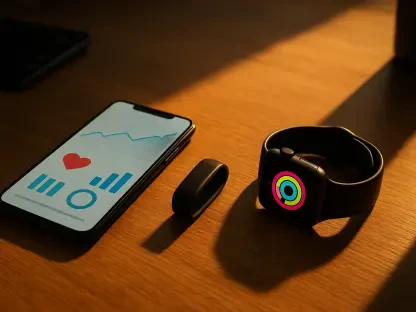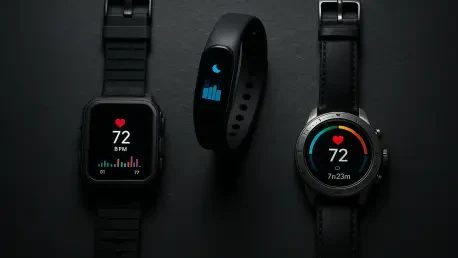
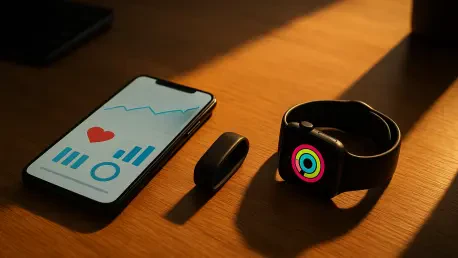
Google claims the Fitbit Air features a 15% improvement in sensor accuracy, yet it lacks the specialized ECG and EDA sensors found in the Charge 6. This strategic divergence represents a fundamental shift in how wearable technology integrates into daily life, moving away from the assumption that
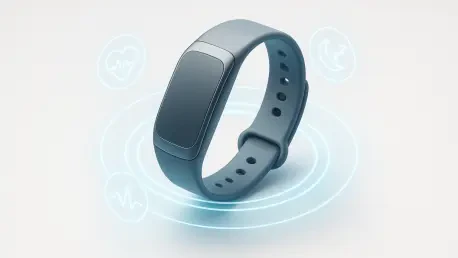
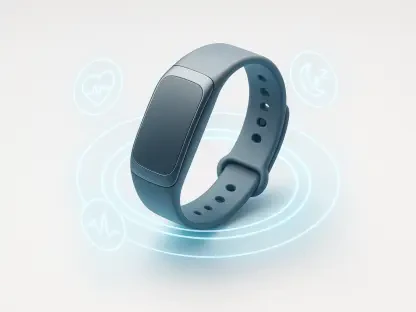
The release of the Fitbit Air represents the first major hardware update from the Fitbit brand since it was acquired by Google several years ago. For over a decade, the wearable technology industry has relentlessly pushed the idea that more features and larger displays are inherently better,

Weighing just 5.2 grams, the Fitbit Air pod is nearly half the weight of the WHOOP 5.0, making it the preferred choice for those who find traditional wearables cumbersome. This design philosophy underscores a broader movement within the technology sector toward invisible computing, where the

Adaptive fitness plans that evolve based on daily activity metrics represent a significant departure from static workout routines, moving toward a more dynamic coaching experience. Google has recently accelerated this shift by integrating advanced Gemini models into its health ecosystem, creating a

Modern tech consumers are increasingly reclaiming their cognitive focus by shedding the persistent glow of digital interfaces in favor of subtle technologies that monitor wellness without demanding constant attention. Despite its minimalist and faceless design, this tracker includes advanced

The adoption of the Model Context Protocol by industry leaders like OpenAI and Google DeepMind establishes it as the standard for integrating AI into corporate ecosystems. This shift marks a departure from the fragmented digital landscapes that once plagued the commercial insurance sector, where
1 2 3 4 5 6 7 8 9 10 11 12 13 14 15 16 17 18 19 20 21 22 23 24 25 26 27 28 29 30