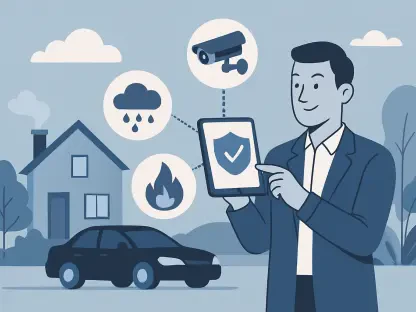
Imagine a world where insurance doesn’t just help you recover from disasters but actively prevents them. Currently, insurance companies are navigating this transformative shift, largely driven by the Internet of Things (IoT) . Insurers using IoT technology are moving toward an era of proactive risk

The traditional bancassurance model is stalling. For decades, the strategy was simple: cross-sell a generic insurance product to a captive banking customer. It was a numbers game built on convenience, not connection. That playbook is now obsolete. Today’s customers, accustomed to the hyper-relevant

What if your insurance policy could prevent a loss instead of just paying for one? That question is no longer hypothetical. It is the driving force behind a revolution that is moving the insurance industry from a reactive past to a proactive future. The traditional promise of risk compensation,

The insurance industry's AI experiments are hitting a wall . After years of successful pilots in claims processing and underwriting, many carriers are struggling to move these initiatives into core operations. The issue lies not in the technology itself, but rather in the organization's design.

Over the past decade, technological disruption has fundamentally reshaped multiple financial services sectors. While banking and payments frequently dominate discussions, the insurance sector is undergoing a comparably profound transformation. The rise of InsurTech , defined as the application of

Ask any commercial insurer or fleet manager, and they’ll tell you the same thing: the economics of truck insurance have stopped making sense. Premiums keep climbing while accident verdicts skyrocket, yet coverage still feels blunt, one‑size‑fits‑all. Meanwhile, operators are drowning in data from