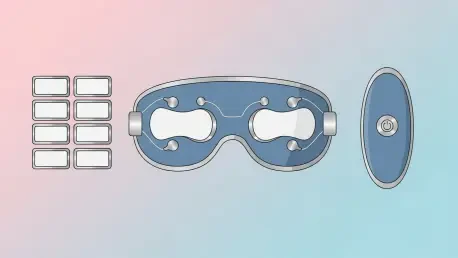
The skin surrounding our eyes is some of the most delicate tissue on the human body, often acting as the first canvas where the stories of our stress, lack of sleep, and aging are told. While topical creams have long been the standard, a technological shift has brought professional-grade light

The human body possesses a biological receptivity to specific light frequencies that researchers are only now beginning to fully quantify through clinical-grade home hardware. While the concept of using light as a therapeutic agent once seemed relegated to the realm of science fiction or niche

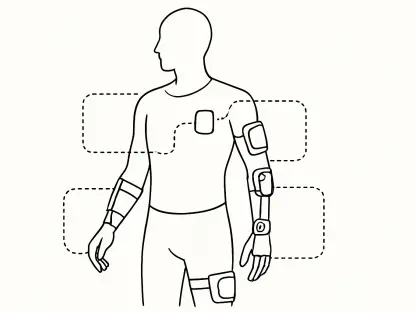
The intersection of wearable technology and clinical medicine is entering a transformative phase as we move from basic activity tracking to sophisticated health management. With platforms now supporting over 2.5 million users, the ability to merge continuous biometric monitoring with professional
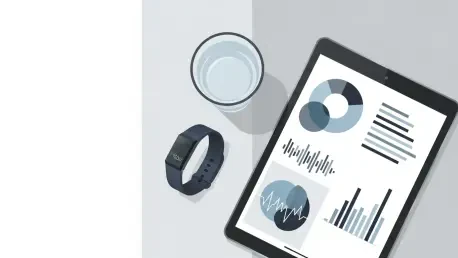
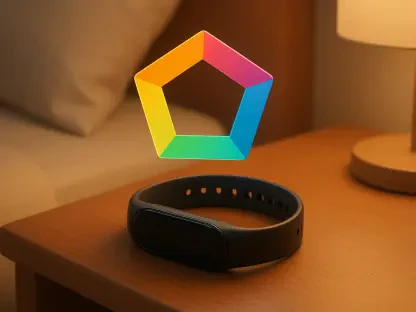
The sleek surface of the modern wrist is frequently cluttered with vibrant displays and persistent pings, but a new movement is trading digital clamor for silent, high-fidelity biological tracking. While most tech giants continue racing to pack more pixels into smaller frames, the Fitbit Air
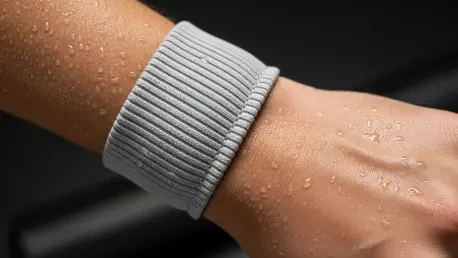
Simon Glairy brings a unique perspective to the wearable market. Usually focused on how data translates to risk management in the insurance world, he understands the vital importance of high-fidelity, consistent biometric data. With the launch of the Fitbit Air, he examines how a minimalist,
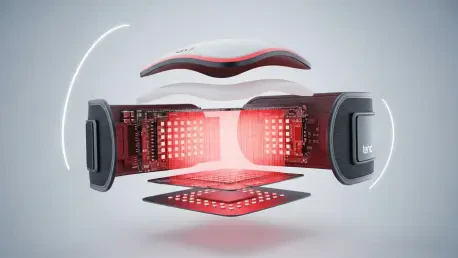
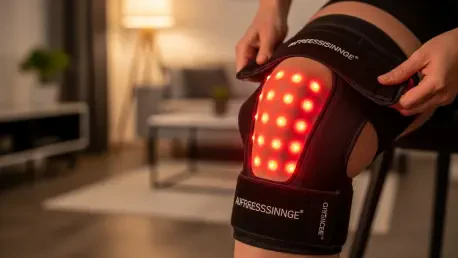
The rapid evolution of photobiomodulation has transformed the way individuals manage chronic pain and physical recovery, turning what was once a clinical luxury into an essential household health tool. Modern red light therapy belts now serve as the primary bridge between professional athletic