
Simon Glairy brings a unique perspective to the wearable market. Usually focused on how data translates to risk management in the insurance world, he understands the vital importance of high-fidelity, consistent biometric data. With the launch of the Fitbit Air, he examines how a minimalist, screenless approach might actually lead to better health outcomes and more reliable data streams by reducing the friction between the user and their health metrics.
In this discussion, we explore the shift toward unobtrusive health monitoring and the technical hurdles of maintaining long-lasting power in tiny form factors. We also dive into the intersection of athlete-driven design and mass-market accessibility, analyzing how affordable entry points and specialized hardware like the Stephen Curry edition are reshaping consumer expectations for what a fitness tracker should be.
How does the focus on extreme lightweight construction, such as the 12-gram Fitbit Air, affect long-term wearer compliance, and what specific advantages does a screenless interface provide for users who prioritize 24/7 health monitoring over smartphone notifications?
The 12-gram weight is a total game-changer for long-term compliance because it effectively eliminates “wearer’s fatigue,” which is the primary reason people abandon bulky devices after just a few months. When a device is this light, it transitions from being a piece of tech you “put on” to something that simply exists as part of your body, which is essential for capturing the 24/7 data needed for accurate health trends. By removing the screen, the device eliminates the psychological burden of constant digital pings and the blue light interference that can disrupt your natural circadian rhythms. It allows the wearer to stay present in their physical environment while the sensors work silently in the background, providing a sensory relief that traditional smartwatches simply cannot offer.
Maintaining a seven-day battery life while monitoring Afib alerts and SpO2 levels is a significant technical feat. What are the engineering trade-offs involved in achieving this longevity, and how does the five-minute quick-charge feature change the way users approach their daily data collection routines?
Engineering a device that manages continuous Afib monitoring and SpO2 tracking for a full seven days within such a small chassis requires a ruthless prioritization of power efficiency over visual flair. You are essentially trading power-hungry pixels for a dedicated processor that is optimized solely for sensor fusion and data transmission, which is a sophisticated pivot in wearable architecture. The five-minute quick charge is a brilliant addition because it transforms a potential multi-hour data gap into a momentary pause, providing a full day of battery in the time it takes to brew a morning cup of coffee. This feature removes the “charging anxiety” that often prevents people from tracking their sleep, ensuring that critical heart-rate variability data remains uninterrupted and statistically significant.
With features like automatic workout detection and 50-meter water resistance, how does the software improve detection accuracy as it learns a user’s habits, and what steps should athletes take to ensure consistent performance when transitioning between land and water?
The software relies on advanced machine learning algorithms to bridge the gap between raw accelerometer data and actual human intent, getting sharper as it recognizes the specific cadence and intensity of your unique movements. Over time, the device stops merely guessing and starts recognizing the patterns of your specific routines, which eliminates the friction of manual starts and stops that many athletes find incredibly tedious. For those moving between land and water, the 50-meter water resistance offers a sense of psychological freedom, though athletes should ensure the band is fastened securely before diving in to maintain consistent sensor-to-skin contact. The sudden change in density and temperature when hitting the water can occasionally cause “sensor slip,” so a snug fit is the best way to ensure the heart-rate data remains accurate during a swim.
The Stephen Curry edition introduces a Performance Loop band with raised interior ribs to increase airflow. Why is this specific structural design important for skin health during high-intensity training, and how do specialized water-resistant coatings impact the overall durability of the accessory?
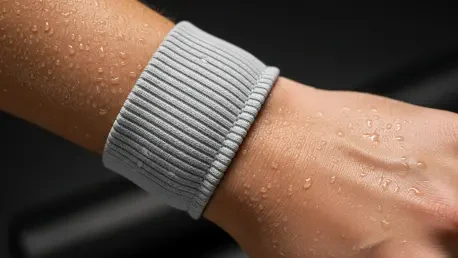
The Performance Loop band is a masterclass in functional ergonomics, using those raised interior ribs to solve the common issue of moisture trapping and “skin maceration” during heavy sweat sessions. When you’re in the middle of a high-intensity workout, sweat can create a vacuum-like seal between a flat band and your skin, leading to irritation or even rashes, but this structural design actively promotes airflow to keep the micro-climate under the band stable. The specialized water-resistant coatings also serve a vital dual purpose: they prevent the fabric from becoming heavy and waterlogged during a workout and protect the material from the corrosive effects of salt or chlorine. It’s a tactile, sensory improvement that high-performance users will notice immediately, as the band remains light and dry even after an hour of heavy perspiration.
A $99.99 price point brings advanced metrics like heart-rate variability and sleep stages to a much broader audience. How does this shift toward affordability impact the competitive landscape for fitness trackers, and what features do you believe will become the new baseline standard for entry-level wearable devices?
Breaking the $100 barrier while including high-tier metrics like heart-rate variability and sleep stages is a disruptive move that democratizes deep health insights for the average consumer. Previously, these types of advanced analytics were gated behind premium price points or monthly subscriptions, but this shift forces the entire industry to rethink what “entry-level” actually means for the modern user. We are moving toward a reality where comprehensive health monitoring is a standard expectation rather than a luxury feature, and I believe features like SpO2 tracking and irregular heart rhythm alerts will soon become the absolute minimum requirements for any wearable. This price point effectively puts a professional-grade health monitor into the hands of millions, shifting the market focus from “gadgetry” to genuine preventative health utility.
What is your forecast for the future of screenless fitness tracking technology?
I forecast that screenless fitness tracking will evolve from a niche “distraction-free” choice into the primary method for long-term health surveillance and preventative risk assessment. As AI becomes more adept at processing biometric trends and delivering insights via smartphone apps, the need for a redundant, battery-draining wrist interface will continue to diminish for the general population. We will likely see these devices becoming even more integrated into our biological rhythms, perhaps even disappearing into clothing or jewelry, as the technology moves away from being a visible accessory and toward being a vital, invisible health utility. This shift will eventually allow for more personalized insurance models and healthcare interventions based on the continuous, high-quality data that screenless devices are uniquely positioned to provide over years of use.