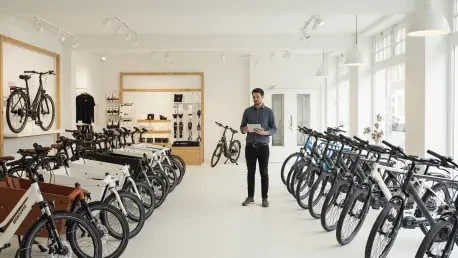

The moment a cyclist wheels a high-end carbon machine out of a boutique showroom, they face a silent vulnerability that often lasts until the first major incident occurs. While a premium bicycle is often the most valuable asset a modern commuter owns besides their home, the protection of that investment remains an afterthought for many. Laka’s recent acquisition of VeloLife fundamentally shifts this dynamic by weaving protection directly into the moment of ownership. By removing the friction between buying and protecting, the company ensures that security becomes as standard as the pedals or handlebars on a new ride.
This transaction marks a shift in consumer expectations, where the insurance gap is finally being closed through proactive retail engagement. Instead of forcing owners to navigate complex policy documents days after their purchase, this model introduces protection at the peak of the customer’s emotional investment. It effectively turns the bike shop from a mere hardware vendor into a comprehensive service provider, addressing the anxiety of theft or damage before the wheels even touch the pavement.
Consolidating a Fragmented European Micromobility Market
Europe’s micromobility sector is expanding at a breakneck pace, yet the insurance infrastructure supporting it has historically remained disjointed and localized. As e-bikes and cargo cycles replace traditional vehicles in urban centers, the demand for specialized coverage has outpaced the capabilities of legacy insurers. Laka is positioning itself as the primary consolidator in this space, using the VeloLife deal to absorb specialized knowledge and local market share. This move signals a departure from the rigid, one-size-fits-all approach of traditional insurance firms that often struggle to price the risks associated with modern light electric vehicles.
By integrating VeloLife’s existing operations, Laka is building a unified front against the fragmentation that has long plagued the cycling industry. This consolidation is not merely about increasing a book of business; it is about creating a standardized level of care across different borders and retail environments. This strategic growth allows the firm to provide a consistent safety net for riders who are increasingly mobile and demand insurance that reflects their agile, urban lifestyles.
Strategic Integration and the Shift Toward Dealer-Based Distribution
The technical backbone of this expansion is a sophisticated synergy with the EPOS provider Citrus Lime, which bridges the gap between digital insurance and physical retail. This integration allows Laka’s products to appear automatically within the checkout workflows of over 100 independent retailers across the continent. By adopting this B2B2C distribution model, Laka bypasses the high costs of direct digital advertising and places its value proposition exactly where the need is most visible. This deal marks a significant transaction for the firm since early 2026, following the strategic absorption of portfolios from Cylantro, CoverCloud, and Allianz Direct.
This aggressive acquisition strategy was catalyzed by a substantial £14.1 million Series B funding round, which included a critical £6.5 million venture debt facility from HSBC. Such financial backing demonstrates investor confidence in the shift toward embedded finance as the future of specialty insurance distribution. By focusing on the dealer channel, Laka is establishing a high-trust environment where store owners become the ultimate ambassadors for the brand, ensuring that every high-value sale is accompanied by a robust plan for long-term protection.
Leveraging the Collective Model to Redefine Risk and Value
At the heart of Laka’s rapid expansion is a collective-driven insurance model that challenges the fundamental mechanics of the traditional premium structure. Rather than charging fixed fees based on hypothetical actuarial tables, Laka’s system calculates monthly costs based on the actual claims volume within the group. This community-focused approach aligns the interests of the insurer and the insured, creating a transparent ecosystem where lower claim rates benefit the entire collective. The acquisition of VeloLife brings a fresh influx of diverse riders into this pool, further stabilizing the risk profile and lowering overhead for every participant.
Industry analysts view this M&A activity as a pivotal milestone in creating a more comprehensive customer proposition that scales internationally. The merger of this innovative financial model with VeloLife’s physical retail footprint provides the volume necessary to handle the high-frequency claims of a growing cycling population. As the collective grows, Laka gains deeper data insights into theft patterns and maintenance issues, allowing the company to refine its offerings and provide value that extends far beyond a simple payout in the event of a loss.
Framework for Scaling Specialty Insurance: Retail Partnerships
The successful merger of Laka and VeloLife established a clear blueprint for how specialty insurance firms navigated the complexities of the modern retail landscape. By prioritizing API-led integrations with merchant software, the partnership removed the traditional barriers that once prevented bike shop owners from offering financial products. The distribution strategy pivoted away from broad digital campaigns toward localized, high-trust environments where the merchant’s recommendation carried significant weight. This transition allowed the company to capture high-quality data and foster a sense of community that traditional, faceless insurance providers could not replicate.
Strategic funding and venture debt were utilized to unify smaller, fragmented players into a single, cohesive network that benefited from significant economies of scale. This consolidation effort proved that the future of micromobility protection rested on embedded finance and the seamless integration of services at the point of purchase. The industry moved toward a more interconnected model where insurance was no longer a standalone product but a fundamental component of the cycling lifestyle. Ultimately, the deal provided a robust foundation for independent retailers to enhance their service offerings while ensuring that the next generation of riders remained protected from the inherent risks of urban mobility.