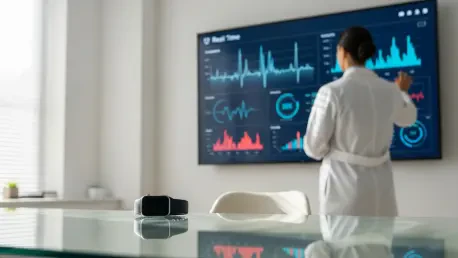

The intersection of wearable technology and clinical medicine is entering a transformative phase as we move from basic activity tracking to sophisticated health management. With platforms now supporting over 2.5 million users, the ability to merge continuous biometric monitoring with professional medical oversight is bridging a long-standing gap in the healthcare system. By integrating electronic health records and real-time data, these devices are no longer just tools for athletes, but essential components of a proactive diagnostic ecosystem. This discussion explores how this wealth of data, supported by human expertise and advanced AI coaching, is redefining the patient experience and the future of medical consultations.
Clinicians now have access to months of continuous biometric data and bloodwork during virtual consultations. How does this long-term data shift the diagnostic process away from traditional episodic snapshots, and what specific steps should experts take to ensure they don’t overlook immediate symptoms in favor of historical trends?
The traditional medical model is built on episodic snapshots, where a doctor evaluates a patient during a brief window that may not represent their typical physiological state. By having access to months of continuous data, clinicians can now see the “movie” of a person’s health rather than just a single, often stressful, “still frame” captured in a clinic. This allows for the identification of subtle trends, such as a gradual decline in heart rate variability or changes in sleep efficiency that might signal a brewing issue long before physical symptoms appear. To ensure immediate concerns aren’t lost in the sea of historical data, experts must use these trends as a baseline to filter out “noise” and highlight acute anomalies. It requires a disciplined approach where the clinician looks for sharp deviations from the user’s established norm, ensuring that a sudden spike in resting heart rate is treated with urgency regardless of how healthy the previous six months appeared.
Syncing electronic health records, including past diagnoses and medications, directly into a fitness platform creates a centralized hub for personal health. What are the primary privacy trade-offs for users in this scenario, and what practical measures can be implemented to safeguard such sensitive medical history?
When users partner with specialized health record companies like HealthEx to sync their history, they are essentially creating a high-definition map of their medical life that is accessible at their fingertips. The primary trade-off is the concentration of sensitive data—diagnoses, medications, and procedures—within a single mobile interface, which increases the stakes for digital security. For many, the convenience of having a clinician view their full history during a video call outweighs the risks, but the emotional weight of sharing such personal information cannot be ignored. Practical safeguards must include robust, end-to-end encryption and a transparent “opt-in” architecture where the user retains absolute control over who views their data and for how long. It is vital that these platforms act as a secure vault, using multi-factor authentication and strict data-handling protocols to ensure that a user’s medical past remains private while still being useful for their clinical future.
AI-powered coaching now provides proactive recommendations, such as adjusting training regimens based on travel plans or upcoming events. How does the technology prioritize competing health goals, and can you explain how a user might manually train the AI to better align with their specific physical limitations?
The AI uses sophisticated algorithms to balance the strain of daily life with the necessity of recovery, especially when features like Proactive Check-Ins anticipate future stressors like travel. It prioritizes goals by analyzing the immediate physiological cost of an activity against the user’s long-term recovery trends, often suggesting more sleep or reduced intensity ahead of a major event. Through the “My Memory” feature, users can take an active role in this process by inputting specific constraints or preferences that the sensors might not pick up on their own. For instance, if a user has a physical limitation like a chronic joint issue, they can “train” the AI to prioritize low-impact movements even when their recovery scores are high. This manual feedback loop transforms the AI from a generic coach into a personalized partner that understands the nuances of the user’s body and lifestyle.
While many advanced features are included in standard memberships, specialized video consultations often carry an additional cost. How do organizations balance the expense of providing licensed professionals with the need for affordable access, and what are the implications for the traditional primary care doctor-patient relationship?
Maintaining a network of licensed clinicians who can provide high-quality video consultations is a significant operational expense, which is why these services are often positioned as a premium add-on to the standard membership. Organizations balance this by offering tiered value; the app provides the data and AI coaching as part of the daily experience, while the human expert is available on-demand for deeper, more complex interpretations. This creates a new dynamic in the primary care relationship where the wearable acts as a sophisticated “pre-screening” tool. Instead of replacing the family doctor, these digital consultations provide the member with a data-backed summary that makes their eventual in-person visits much more efficient and focused. The goal is to provide a sense of relief and professional guidance during those “in-between” moments when a user feels something is off but isn’t sure if it warrants a trip to the hospital.
Wearable platforms often clarify that on-demand consultations are not meant to replace emergency visits or primary physicians. In practice, how can these digital services best complement existing healthcare systems, and what are the metrics for determining when a user should be referred to an in-person clinic?
These digital services serve as an essential triage layer that can identify early warning signs and guide users toward the appropriate level of care, effectively reducing the burden on emergency rooms. The metrics for referral are often based on “red flag” anomalies in the continuous biometric data—such as a sustained, unexplained elevation in respiratory rate or a drastic, multi-day drop in recovery that doesn’t respond to rest. When a clinician sees these objective data points alongside a user’s bloodwork and medical history, they can make a highly informed recommendation for the user to seek an in-person evaluation. By acting as a constant monitor, the technology ensures that people don’t ignore potentially serious symptoms, while also providing the reassurance needed for minor issues that can be managed at home. This synergy creates a more resilient healthcare system where data drives the decision-making process for both the patient and the provider.
What is your forecast for the integration of wearable technology and professional clinical care?
I believe we are moving toward a “continuous care” model where the distinction between a fitness wearable and a medical device will eventually vanish entirely. In the coming years, the data from millions of users will enable predictive diagnostics that can catch illnesses days before a person feels their first symptom, making healthcare truly preventative rather than reactive. We will see a seamless integration where your device detects an impending health crisis, automatically schedules a video consultation with a specialist, and shares a comprehensive data report before you even join the call. This evolution will empower individuals to have a 24/7 relationship with their health, turning the “annual check-up” into a relic of the past as our biometrics provide a real-time, constant conversation with the medical community. Ultimately, this technology will not just track our lives; it will actively extend them by ensuring no significant physiological change ever goes unnoticed.