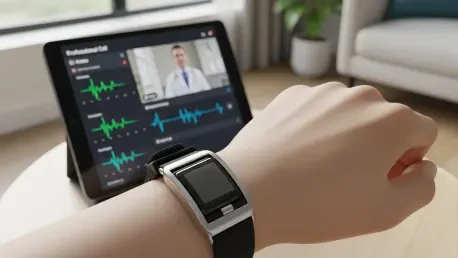

The modern intersection of biometric data and clinical practice has reached a point where a simple wrist-worn sensor can now initiate a direct conversation with a licensed medical professional. While most wearables remain focused on rudimentary metrics like daily step counts and caloric burn, Whoop has transformed into a sophisticated portal for medical consultation. This evolution allows users to connect with licensed physicians who possess immediate access to longitudinal biometric data, including heart rate variability and sleep cycles spanning several months.
By integrating live, on-demand video sessions, the platform successfully bridges the gap between passive data collection and active clinical dialogue. This shift represents a fundamental change in the relationship between personal devices and professional medical care, turning a wristband into a bridge for clinical intervention. The ability to consult a doctor who already understands a user’s physiological baseline marks a departure from traditional telehealth, where clinicians often start with zero context regarding a patient’s daily habits.
From Fitness Tracker to Medical Ally: The New Frontier of Biometric Monitoring
The transition toward a medical-grade ecosystem requires moving past mere data visualization to offer actionable intervention. For many users, the primary frustration with wearables has been the lack of a “next step” once a health anomaly is detected. Whoop addresses this by positioning itself as a medical ally that does more than alert; it facilitates a solution. By offering direct access to professionals, the app ensures that a sudden dip in recovery or a spike in resting heart rate can be addressed within minutes rather than weeks.
This model shifts the burden of interpretation from the user to the expert. Instead of a member guessing why their sleep performance has plummeted, a clinician can review the data trends to provide a professional assessment. Such a system effectively democratizes high-level sports science and medical oversight, making the kind of monitoring once reserved for elite athletes available to the general public.
The Evolution of Proactive Health in a Post-Wearable Era
Traditional healthcare models frequently rely on static observations captured during annual physical exams, which fail to account for the dynamic physiological stressors of daily life. These “snapshot” data points often miss the nuances of chronic stress or the early onset of illness that only continuous monitoring can reveal. As the industry trends toward a preventative paradigm, the demand for high-fidelity data has surged, highlighting the disconnect between consumer gadgets and official medical records.
Whoop targets this gap by focusing on the continuity of care. By providing a 24/7 stream of information, the platform allows for the detection of subtle shifts in health that might otherwise go unnoticed until they manifest as acute symptoms. This proactive approach aims to move society away from reactive medicine and toward a system where health is managed in real time, preventing issues before they require intensive treatment.
Integrating Telehealth, EHR Synchronization, and Advanced Hardware
The cornerstone of this clinical expansion involves a robust integration of telehealth services and Electronic Health Records through a partnership with HealthEx. This synchronization enables the platform to correlate a user’s medical history, active prescriptions, and past diagnoses with their daily recovery metrics. This integration provides a holistic view, showing exactly how a new medication or a medical procedure influences the body’s ability to recover from daily strain.
To support these digital advancements, the physical device has also seen upgrades designed for longevity and precision. The introduction of the Navigator Band—an abrasion-resistant, stainless steel-reinforced strap—ensures the sensor remains secure during high-intensity activities. This focus on durability is essential for maintaining the unbroken data stream required for clinical accuracy, as any lapse in monitoring could lead to incomplete medical insights.
Enhancing Intelligence Through Personalized Context and Proactive Coaching
Artificial intelligence is undergoing a significant transformation within the app via the “My Memory” feature, which allows the digital coach to retain specific user context for more tailored advice. Rather than providing generic fitness tips, the system now offers proactive guidance, such as personalized sleep strategies ahead of international travel or high-performance events. This intelligence is fed by a streamlined journal interface that utilizes voice and text logging, removing the friction typically associated with manual tracking.
Moreover, the upgraded AI can now identify specific correlations between lifestyle choices and physiological outcomes. For instance, if a user logs a new supplement, the AI tracks its impact on deep sleep or resting heart rate over several weeks. This level of personalized coaching turns the wearable into a laboratory for personal health, providing the user with evidence-based insights into what actually improves their unique biology.
Strategies for Transitioning to a Data-Driven Clinical Routine
To fully adopt this new clinical standard, members established a foundation by linking their existing medical records through the HealthEx integration. They utilized the voice-activated journaling feature to document specific variables like caffeine intake and medication, which allowed the proactive AI to predict recovery dips with greater accuracy. This meticulous approach to data entry transformed the wearable from a passive observer into a precise diagnostic tool that reflected the nuances of their daily environment.
Ultimately, users scheduled video consultations primarily when the system identified persistent biometric anomalies, ensuring that medical discussions remained rooted in comprehensive data rather than subjective observations. This shift helped redefine the relationship between wearable technology and formal healthcare by prioritizing longitudinal evidence. By following these strategies, individuals successfully transitioned into a regime where their health was managed with clinical precision, long before any physical symptoms became apparent.