
Achieving a perfect balance between professional obligations and personal wellness often feels like an impossible task when health technology demands constant manual oversight. For years, health enthusiasts have grappled with tracking burnout, where the sheer volume of required manual input outweighs the benefits of the data received. Samsung’s latest update tackles this friction head-on, transforming the platform from a passive repository into a proactive coach that delivers sophisticated analysis with significantly less effort from the end user.
From Data Fatigue to Actionable Wellness
Wearable technology has historically faced a significant hurdle regarding user retention. When a device requires excessive manual logging of every meal or water intake, the friction often leads to abandonment. This update acknowledges that modern users seek frictionless integration, shifting toward automated data interpretation that translates raw numbers into lifestyle recommendations. By identifying patterns the human eye might miss, the software ensures wellness goals remain attainable without becoming an additional source of daily stress.
The Evolution of the Samsung Health Ecosystem
As the market matures, the focus has shifted from simply collecting heart rate and step counts to providing meaningful context. In an era where sedentary lifestyles are linked to chronic health issues, the integration of AI-driven insights has become a necessity. This update aligns Galaxy Watch, Ring, and Fit 3 hardware with a software experience that prioritizes simplified workflows and enhanced connectivity. The synergy between diverse hardware and specialized software creates a more resilient habit-forming environment for users of all skill levels.
Reimagining Sleep Analysis and Behavioral Change
The Sleep Coaching program received a radical overhaul to lower the barrier for entry. By reducing the required tracking period to just three days within a 14-day window, Samsung makes it easier for inconsistent sleepers to receive a Sleep Animal avatar and a tailored improvement plan. This entry point allows users to start their wellness journey without a lengthy setup process.
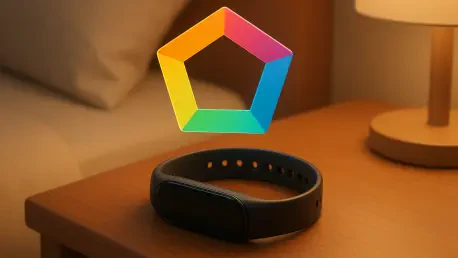
The new Pentagon Sleep Balance Graph aggregates metrics like regularity and sleep satisfaction into a single five-point graphic for instant assessments. Beyond raw numbers, the app delivers daily checklists and messages aimed at curbing habits like late-night caffeine consumption or excessive blue light exposure. This visual approach allows for immediate behavioral adjustments every morning based on the previous night of rest.
Elevating Performance for Advanced Athletes and Explorers
Samsung is catering to high-performance athletes by expanding the Running Coach to include elite levels. These tiers utilize historical biometric data to challenge seasoned runners with rigorous benchmarks, ensuring the tool remains relevant as fitness levels improve. This expansion bridges the gap between casual step counting and professional-grade athletic training.
Outdoor enthusiasts can now import saved Strava Routes directly into the Samsung Health interface, ensuring they never lose their way on a new trail. Furthermore, a new export tool allows users to transform workout statistics into social media graphics, bridging the gap between personal achievement and community engagement. These features allow users to share milestones easily, fostering a sense of accountability and social motivation within their fitness circles.
Maximizing the New Features on Your Galaxy Device
To take full advantage of these updates, users followed a specific framework to ensure their data was accurate and their coaching was effective. Syncing the ecosystem required a Galaxy Watch or Ring updated to the latest firmware and paired with a smartphone running Android 11 or higher to enable the AI Energy Score. This technical foundation paved the way for more precise longitudinal tracking across multiple devices.
Calibrating the Running Coach involved performing dedicated fitness tests within the app to establish a baseline that prevented injury and maximized performance gains. Users optimized the sleep questionnaire by combining biometric tracking with internal queries to refine their Sleep Animal profile for more accurate behavioral suggestions. These steps transformed the wearable from a simple accessory into a sophisticated health companion that anticipated future wellness needs.