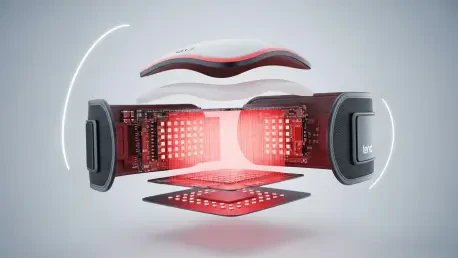

The rapid evolution of photobiomodulation has transformed the way individuals manage chronic pain and physical recovery, turning what was once a clinical luxury into an essential household health tool. Modern red light therapy belts now serve as the primary bridge between professional athletic training rooms and the average living room, offering a level of convenience and efficacy that was previously unattainable without bulky, stationary equipment. By integrating high-density light-emitting diodes into flexible, breathable materials, these wearable devices allow for a hands-free experience that adapts to the curves of the human body, ensuring that therapeutic wavelengths reach the deep tissues of the lower back, hips, and joints while the user remains productive or at rest. As the medical community continues to validate the systemic benefits of light therapy, the focus has shifted toward refining the precision of these instruments to meet the diverse needs of a population that is increasingly focused on proactive wellness and non-invasive pain management solutions.
Biological Mechanisms and the Science of Light
At the core of this technological surge is the sophisticated biological interaction between specific light wavelengths and human cellular structures, a process that has become widely understood by the general public in recent years. When red light at approximately 660 nanometers and near-infrared light at 850 nanometers hit the skin, they penetrate to different depths to interact with the mitochondria, which are the energy-producing powerhouses of every cell. This interaction triggers a boost in the production of adenosine triphosphate, the molecule responsible for storing and transferring energy in cells, which essentially accelerates the natural repair mechanisms of the body. By providing this cellular “recharge,” red light therapy helps to mitigate the effects of oxidative stress and reduces systemic inflammation, which are the two most common culprits behind prolonged muscle soreness and degenerative joint conditions. The ability to stimulate these pathways without the use of pharmaceuticals has made light-based therapy a cornerstone of modern recovery protocols, allowing for faster return-to-play times for athletes and improved quality of life for those managing age-related physical decline.
The distinction between various wavelengths has become a critical factor for consumers when selecting a device, as the specific depth of penetration determines the therapeutic outcome of a session. Standard red light remains the gold standard for treating superficial issues, such as skin rejuvenation, minor wound healing, and surface-level inflammation, because its shorter wavelength is predominantly absorbed by the upper layers of the dermis. In contrast, the longer wavelengths associated with near-infrared light are capable of passing through the skin and fat layers to reach the muscles, tendons, and even bone tissue located several centimeters beneath the surface. This deep penetration is vital for addressing complex issues like herniated discs or chronic knee pain, where the source of the discomfort is buried deep within the musculoskeletal system. Consequently, the most effective belts currently on the market utilize a dual-wavelength or multi-wavelength approach, ensuring that the energy is distributed evenly across both the surface and the deep tissue, providing a comprehensive treatment that addresses both the symptoms and the underlying causes of physical distress.
Leading Models and Specialized Performance Standards
In the current landscape of high-performance recovery tools, the Novaa Light Pad has established itself as the benchmark for raw power and clinical-grade irradiance within a portable form factor. Delivering a staggering 150mW/cm², this device is specifically engineered for those who require the most intense light penetration possible to manage severe or chronic conditions that do not respond to lower-intensity treatments. Its flexible design is particularly advantageous for wrapping around awkward anatomical structures like the shoulder or the ankle, ensuring that the LEDs maintain close proximity to the skin for maximum energy transfer. While its requirement for a corded power source may be seen as a limitation for those desiring total mobility, this design choice ensures a consistent and unwavering output of energy that battery-powered units often struggle to match over long sessions. This makes it an ideal selection for stationary recovery periods, such as while reading or watching television, where the focus is entirely on the therapeutic intensity rather than the ability to move through the house.
Addressing the growing demand for true operational freedom, the Hooga Red Light Therapy Belt has become a prominent choice for users who refuse to be tethered to a wall outlet during their daily routines. By integrating a high-capacity, rechargeable lithium-ion battery directly into the belt’s architecture, this model allows for total movement, enabling users to perform household tasks, work at a standing desk, or even engage in light stretching while their recovery session is in progress. The inclusion of a pulsing light mode further distinguishes this device, as some research suggests that intermittent light delivery can enhance the body’s inflammatory response and prevent the cells from becoming oversaturated with light energy during extended treatments. Although there is an inherent trade-off in irradiance compared to high-output corded models, the convenience of the Hooga belt often leads to higher user compliance, as the ease of integration into a busy lifestyle makes it far more likely that the therapy will be performed consistently enough to yield long-term physiological benefits.
Technological Sophistication and Multi-Modal Innovations
The move toward more complex spectral coverage is best exemplified by the MitoQUAD, a device that has transitioned beyond the standard dual-wavelength pairing to offer a four-part light spectrum. By including 630nm and 660nm red light alongside 810nm and 850nm near-infrared light, this belt provides a more nuanced approach to tissue stimulation, targeting different cellular depths with extreme precision. This multi-layered strategy is designed to create a synergistic effect, where each wavelength supports the others to optimize the total energy absorption of the targeted area. While it functions as a stationary tool due to its power requirements, the MitoQUAD appeals to the tech-savvy segment of the market that prioritizes the latest scientific advancements in photobiomodulation. The focus here is on the quality and variety of the light being delivered, reflecting a broader industry trend where the specificity of the treatment is becoming just as important as the overall power output, allowing for more customized recovery experiences tailored to specific injuries or wellness goals.
Beyond light therapy alone, the 2026 market is increasingly defined by the integration of secondary therapeutic modalities that work in tandem with red light to provide a more holistic recovery experience. Models like the Lifepro and the Bon Charge wrap have pioneered the “stacking” of technologies, such as mechanical vibration, Pulsed Electromagnetic Field therapy, and thermal conduction through semi-precious gemstones. Vibration therapy helps to increase localized blood flow and loosen tight muscle fibers, which can actually improve the penetration of the light by reducing tissue density and increasing the oxygenation of the area. Meanwhile, PEMF technology targets the electrical signaling of the nerves to provide a different form of pain relief that complements the cellular energy boost provided by the LEDs. This hybrid approach recognizes that physical pain and recovery are often multifaceted issues that benefit from a diverse range of stimuli, moving the industry away from single-purpose devices and toward all-in-one recovery stations that can be worn comfortably around the waist or torso.
Material Excellence and Consumer Safety Standards
The physical construction of recovery belts has undergone a significant transformation, with manufacturers now prioritizing durability and hygiene as much as electronic performance. Medical-grade silicone and high-performance neoprene have become the industry standards for 2026, as these materials offer the necessary flexibility to contour to different body shapes while remaining resistant to the sweat and oils that naturally accumulate during a session. Unlike earlier iterations that could be difficult to clean or prone to cracking, modern belts are designed with smooth, non-porous surfaces that can be easily sanitized with a quick wipe, ensuring that they remain a long-term investment for the user. Furthermore, the development of anti-odor fabrics, particularly in travel-focused models like the Infraredi Body Wrap, highlights a focus on the active lifestyle, where a device might be used immediately after a gym workout and then stored in a bag. This attention to material science ensures that the hardware is as resilient and adaptable as the technology it houses inside.
Safety and regulation have also taken center stage, as the influx of low-quality imitations has forced reputable brands to seek official certifications to prove their efficacy and build consumer trust. The presence of FDA clearance or registration is no longer an outlier but a prerequisite for any device claiming to offer therapeutic benefits, providing a baseline of safety regarding electromagnetic interference and heat management. Advanced features such as integrated timers with automatic shut-off and adjustable intensity levels allow users to customize their exposure to avoid over-treatment, which can occasionally lead to minor skin irritation or temporary fatigue. These safety protocols are essential for a technology that is designed for daily home use, as they empower the consumer to manage their own health without the constant supervision of a medical professional. By establishing these rigorous standards, the industry has matured into a reliable sector of the wellness market, where data-backed performance and user safety are the primary drivers of brand loyalty.
Strategic Implementation and Long-Term Wellness Goals
Successfully integrating a red light therapy belt into a wellness routine requires a strategic understanding of how light energy interacts with the body over time. It is a common misconception that a single session will provide an instant cure for chronic conditions, when in reality, the biological shifts occurring at the cellular level are incremental and cumulative. To see significant improvements in muscle recovery or joint mobility, a person must commit to a consistent schedule, typically involving three to five sessions per week over the course of several weeks. This persistence allows the body to build up a reserve of cellular energy and maintain a lower baseline of inflammation, creating a more resilient physical state that is less prone to injury. When users approach the technology with realistic expectations and a disciplined schedule, the results often exceed those of sporadic, high-intensity treatments, highlighting the importance of the wearable “belt” format which makes this level of consistency achievable for the average person.
When deciding which device to purchase, an individual should carefully evaluate their primary physical challenges against the technical specifications of the available models to ensure a proper match. A person suffering from deep-seated spinal issues will find the most relief from a high-irradiance, corded belt that can deliver deep near-infrared energy, whereas someone focused on post-workout soreness in the limbs might prioritize a lightweight, battery-operated wrap for its portability. It is also important to ignore exaggerated marketing claims regarding rapid weight loss, as the consensus in the scientific community remains that light therapy is a tool for recovery and metabolic support rather than a standalone fat-reduction method. By focusing on the proven benefits of pain management, tissue repair, and inflammation reduction, consumers can make informed decisions that lead to genuine health improvements. The ultimate goal is to select a tool that fits so seamlessly into one’s daily life that it becomes as routine as a morning cup of coffee or a nightly stretching session.
Future Considerations and Evolving Paradigms
The progress made in wearable photobiomodulation technology has successfully transitioned red light therapy from a niche biohacking curiosity into a mainstream pillar of modern recovery science. As manufacturers continue to refine the balance between irradiance, portability, and multi-modal functionality, the barriers to effective home-based treatment have largely dissolved, allowing individuals to take direct control of their physical well-being. The shift toward hybrid devices and higher spectral diversity suggests that the next generation of wellness tools will be even more personalized, adapting to the specific physiological needs of the user through integrated sensors and smart-app connectivity. While the current selection of belts represents the pinnacle of 2026 technology, the underlying principle remains the same: empowering the human body to heal itself through the targeted application of light energy. This paradigm shift in health management emphasizes proactive maintenance over reactive treatment, positioning red light therapy as a vital component of a long-term strategy for longevity and physical resilience.
Moving forward, the primary focus for users should be the refinement of their recovery protocols to incorporate these advanced tools alongside traditional methods like proper nutrition and physical therapy. The most successful outcomes were observed in individuals who treated their light therapy belt as one part of a broader health ecosystem, using the cellular energy boost to facilitate more effective movement and exercise. As the technology became more accessible, the conversation moved away from whether the light worked and toward how to best optimize its delivery for specific lifestyles. Future considerations will likely involve even more compact energy sources and perhaps the integration of artificial intelligence to suggest session durations based on an individual’s daily activity levels tracked via other wearable devices. By staying informed about these technological shifts and maintaining a commitment to consistent use, individuals have secured a powerful ally in their ongoing pursuit of a pain-free and active life.