
The landscape of domestic entertainment is undergoing a seismic shift as homeowners move away from complex, wire-heavy configurations toward sleek systems that prioritize both acoustic fidelity and interior design. For decades, the “Lifestyle” nameplate served as the gold standard for premium, all-in-one home theater systems before the brand shifted its focus toward portable Bluetooth gear and noise-canceling headphones. Now, after a brief hiatus, Bose is breathing new life into this iconic label with the Lifestyle Ultra collection—a strategic move designed to recapture the high-end living room market. This relaunch isn’t just about nostalgia; it represents a fundamental shift in how the company balances sophisticated engineering with user-friendly design. By streamlining setup and embracing modern aesthetics, Bose is positioning itself to address a growing demand for premium audio that doesn’t require a degree in acoustics to operate. This article explores whether this refined approach can successfully disrupt the current market leaders and restore Bose to its former glory.
The Return of a Legend: Decoding Bose’s High-Stakes Pivot
The revival of the Lifestyle brand suggests a calculated attempt to reclaim the living room, a space Bose once dominated with its Jewel Cube speakers. Industry analysts observe that the company is moving away from the “gadget” image of its portable line to present a more permanent, high-performance solution for the home. This pivot reflects a recognition that while personal audio is profitable, the home theater sector offers a higher level of brand prestige and long-term consumer loyalty.
Moreover, the strategy focuses on the intersection of luxury and accessibility. By reviving a trusted name, Bose leverages existing brand equity while introducing a completely modernized internal architecture. This approach aims to attract both loyalists who remember the original systems and a new generation of users seeking high-end performance without the complexity of traditional receivers. The goal is to prove that premium audio can be sophisticated yet remarkably simple to integrate into a busy lifestyle.
Analyzing the Blueprint of the Lifestyle Ultra Ecosystem
Aesthetic Evolution: Trading Industrial Grit for Modern Minimalism
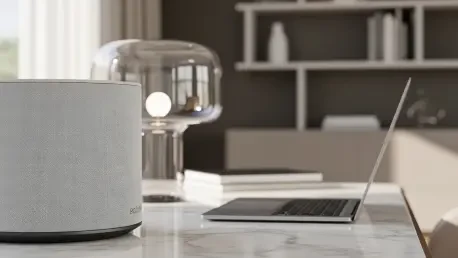
The Lifestyle Ultra collection signals a departure from the stark, industrial lines of previous Bose generations, opting instead for a “soft-tech” philosophy. By utilizing fabric-wrapped grilles and organic, curved silhouettes, the new standalone speaker and soundbar are designed to disappear into contemporary home decor rather than stand out as imposing pieces of hardware. This shift reflects a broader industry trend where high-fidelity performance must coexist with interior design sensibilities.
However, moving away from metal and hard plastics raises questions about long-term durability and the tactile premium feel that long-time audiophiles have come to expect from the brand. While some designers praise the “invisible” nature of these units, critics argue that the soft surfaces might be prone to wear and tear in active households. Nevertheless, the move toward a softer aesthetic aligns Bose with modern luxury trends that favor subtle, integrated technology over aggressive, tech-heavy displays.
Acoustic Engineering: Spatial Audio and the AI-Driven Soundstage
At the heart of this revival is a massive architectural overhaul, particularly within the Ultra Soundbar, which represents Bose’s first major redesign in over a decade. The inclusion of upward-firing drivers specifically for spatial audio indicates a commitment to immersive, object-based sound like Dolby Atmos. To solve the perennial problem of muffled dialogue, Bose has integrated AI-powered “SpeechClarity” software to isolate and elevate voices within complex soundscapes.
While proprietary tech like PhaseGuide aims to simulate a theater-like width from a single bar, the real test lies in whether these digital enhancements can truly replicate the depth of a traditional multi-speaker surround setup. Many reviewers note that while the soundstage is impressively wide, the digital processing must work hard to maintain natural tonal balance. The success of the Ultra line hinges on this balance between artificial intelligence and raw physical displacement to provide a convincing cinematic experience.
Seamless Intelligence: Bridging the Gap Between Hardware and Software
Bose is intentionally lowering the barrier to entry by digitizing the calibration process, replacing the clunky ADAPTiQ headset of the past with a smartphone-based solution. By leveraging the microphones already in users’ pockets, the system optimizes its output based on the specific reflections and dimensions of the room via the Bose app. This transition suggests a shift toward software-defined audio, where the user experience is managed through an interface rather than physical adjustments.
Connectivity is equally robust, featuring the debut of “Alexa+” for direct voice-controlled streaming alongside support for vinyl through auxiliary inputs. Interestingly, Bose has outsourced multi-room synchronization to third-party platforms like Google Home and Apple AirPlay, a move that minimizes software bloat but places the brand at the mercy of external ecosystems. This decision highlights a pragmatic approach, favoring universal compatibility over the proprietary “walled garden” structures that have frustrated consumers in the past.
The Sonos Opportunity: Capitalizing on Market Instability
The timing of the Lifestyle Ultra launch appears incredibly calculated, coinciding with significant consumer backlash against chief rival Sonos following a series of controversial software updates. While Bose representatives claim this lineup has been in the works for three years, the emphasis on “reliability” and “ease of use” serves as a direct jab at competitors currently struggling with app stability. Market experts suggest that many users are now looking for “set and forget” systems that avoid the pitfalls of complex cloud dependencies.
The challenge for Bose will be proving that they can offer a more stable alternative without sacrificing the deep feature sets and expansive product catalogs that helped their competitors overtake them in the first place. If the Lifestyle Ultra system can deliver consistent performance without the frequent software hurdles seen elsewhere, it could capture a significant portion of the premium market. Reliability, in this context, becomes a primary selling point rather than just a technical baseline.
Navigating the New Audio Landscape: Strategic Insights for Premium Buyers
To get the most out of the Lifestyle Ultra system, users should prioritize placement that allows the upward-firing drivers an unobstructed path to the ceiling, maximizing the spatial audio effect. It is also recommended to lean into the third-party ecosystem integration—such as AirPlay 2—to maintain a cohesive multi-room experience across different brands. For those transitioning from older wired systems, the inclusion of auxiliary inputs makes this an ideal bridge for integrating analog turntables into a modern, wireless environment.
Investing in the full ecosystem, including the dedicated subwoofer, remains the most effective way to achieve the cinematic “wall of sound” that the Lifestyle brand was originally known for. Furthermore, users should explore the SpeechClarity settings during diverse media playback, as the AI tuning varies significantly between live sports and high-budget action films. Proper calibration via the mobile app is not just an optional step; it was the most critical factor in ensuring that the digital processing matched the specific physical characteristics of the listening environment.
The Verdict: Can Reliability Outpace Innovation in the Living Room?
The Lifestyle Ultra collection proved to be a bold statement of intent, showing that Bose was no longer content to sit on the sidelines of the premium home audio market. By blending minimalist design with sophisticated AI and a simplified user experience, they addressed the primary pain points that had surfaced among modern consumers. The move toward a more stable, third-party-friendly software architecture was a significant shift that prioritized the “it just works” reputation over proprietary control.
Moving forward, potential buyers should consider how this shift toward software-led calibration and AI-enhanced clarity fits into their long-term home automation plans. As more manufacturers move toward the Matter standard and universal connectivity, the value of a system that plays well with others cannot be overstated. Watching how Bose maintains its software stability over the next two years will be the true test of whether this relaunch was a momentary success or a permanent return to the top of the home audio hierarchy. Exploring the nuances of cross-platform compatibility will be essential for anyone looking to build a future-proof media environment.