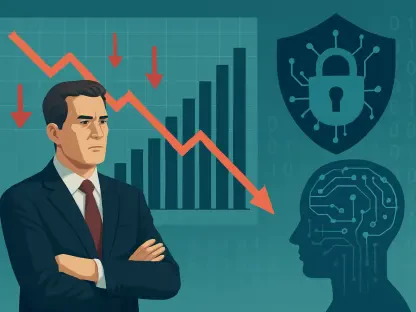

The insurance claims landscape is currently undergoing a profound transformation that challenges traditional notions of professional development and workforce sustainability across the entire sector. For several decades, the career path for a loss adjuster followed a predictable trajectory, beginning with high-volume residential claims and slowly progressing toward complex commercial losses as experience was gained. However, the current environment has disrupted this equilibrium, creating a paradoxical situation where technical expertise is more valuable than ever while the entry points for new talent are simultaneously diminishing. While some market observers point toward a terminal shortage of qualified professionals, others interpret these shifts as a necessary realignment for a digital age. This evolution requires a comprehensive reevaluation of how the industry identifies and nurtures the next generation of experts. The core of the dilemma lies in balancing the immediate need for experienced handlers with the long-term necessity of building a robust and sustainable talent pipeline for the market.
The Impact of Automation: Redefining Foundational Expertise
The rapid integration of automated claim settlement systems and advanced artificial intelligence has significantly altered the traditional training ground for junior loss adjusters. Historically, new entrants learned the intricacies of policy interpretation and damage assessment by handling frequent, low-complexity claims that provided a steady stream of practical experience. In the current market, these high-volume tasks are increasingly managed by straight-through processing algorithms, which effectively remove the bottom rungs of the professional ladder. This technological shift creates a structural gap where newcomers lack the exposure required to develop the intuition and technical judgment necessary for more complex roles. To counteract this, adjusting firms are having to develop synthetic training environments and accelerated mentorship programs that can replicate the lessons once learned through sheer volume. This shift represents a transition from organic learning to a more structured, pedagogical approach to professional entry.
As technology handles the routine aspects of claims management, the remaining human-led roles are becoming significantly more specialized and multidimensional in their requirements. Modern loss adjusters are increasingly expected to function as high-level project managers who must synthesize data from forensic accountants, structural engineers, and legal consultants. This “profession of professions” model demands a sophisticated skill set that extends far beyond technical policy knowledge to include stakeholder management and complex negotiation. Furthermore, the rising frequency of extreme weather events and cyber-related disruptions has introduced a level of environmental and operational volatility that tests the resilience of even the most seasoned adjusters. Because the stakes are higher and the regulatory scrutiny is more intense, the barrier to entry has naturally risen. Firms must now prioritize candidates who possess high emotional intelligence and the ability to navigate multi-party disputes, as these human-centric skills remain the most resilient against further automation.
Strategic Recruitment: Appealing to a Modern Workforce
Attracting a new generation of professionals requires a fundamental shift in how the loss adjusting industry communicates its core value proposition and societal purpose. Younger workers prioritize roles that offer a sense of meaningful contribution and social utility, yet the adjuster’s role is often poorly understood by those outside the insurance sector. By reframing the profession as a vital support system for communities recovering from catastrophic events, firms can highlight the purposeful nature of the work. For instance, explaining how an adjuster facilitates the reopening of a local business after a flood or assists a family after a fire provides a compelling narrative of professional impact. In addition to purpose, the industry must embrace modern work expectations, including flexible schedules and remote collaboration tools that have become standard in other professional services. This modernization of the professional identity is essential for competing with more visible sectors like technology or finance for top-tier university graduates.
Broadening the search criteria for new talent is another critical component of building a resilient workforce capable of handling diverse modern risks. Rather than recruiting exclusively from traditional insurance or legal backgrounds, forward-thinking firms are now targeting individuals with expertise in data science, environmental engineering, and logistics. This multidisciplinary approach ensures that the adjusting team possesses the technical depth required to understand emerging risks, such as business interruption in complex global supply chains or large-scale digital liabilities. Integrating these varied skill sets strengthens the profession by introducing fresh perspectives and innovative problem-solving techniques that traditional training might overlook. Furthermore, establishing structured graduate schemes and tiered succession plans allows for a more seamless transfer of institutional knowledge from retiring experts to younger professionals. This strategic diversification of the talent pool not only mitigates the risk of a knowledge gap but also prepares the industry for the increasingly technical nature of global claims handling.
The industry successfully recognized that the talent pipeline was not simply shrinking but was undergoing a fundamental metamorphosis that required decisive action. Stakeholders moved beyond reactionary measures by implementing standardized qualification frameworks that provided clear benchmarks for technical competence and professional ethics. These initiatives ensured that the transition of knowledge from senior adjusters to the next generation became a structured process rather than a matter of chance. By investing in visible career paths and fostering closer collaboration between insurers and adjusting firms, the sector established a more sustainable ecosystem for human capital. The focus shifted toward long-term resilience, where the value of human judgment was amplified rather than replaced by technological advancements. Ultimately, the profession emerged with a more diverse and technically proficient workforce that was better equipped to navigate the complexities of global risk. This proactive stance provided the necessary foundation for a more robust and adaptable claims environment for years to come.