
The landscape of the United Kingdom’s commercial real estate market is currently navigating a period of profound transformation characterized by a widening discrepancy between property valuations and insurance coverage. As economic shifts in 2026 continue to influence occupancy rates across the hospitality and industrial sectors, many business owners find themselves inadvertently exposed to catastrophic financial risks due to outdated policy terms. This phenomenon, often referred to as the insurance gap, is not merely a statistical anomaly but a systemic challenge that threatens the stability of small and medium enterprises across the country. With inflation impacting construction costs and professional labor, the capital required to reinstate a building after a total loss frequently exceeds the limits set in existing contracts. Addressing this crisis requires a sophisticated understanding of how modern risk factors, such as the surge in vacant units and the integration of high-energy technologies, have outpaced traditional underwriting methods.
The Drivers of Modern Underinsurance
Economic Volatility and Rising Vacancy Rates
The current economic climate has triggered a notable increase in the number of unoccupied commercial units, particularly within the retail and industrial corridors of the UK. When a property transitions from an active business hub to a vacant shell, its risk profile undergoes a dramatic shift that many standard insurance policies are not equipped to handle. These empty spaces become magnets for unauthorized entry, vandalism, and the theft of valuable infrastructure like copper piping or HVAC components. More alarmingly, statistics indicate that approximately sixty fires occur daily in vacant properties across the nation, often resulting from arson or neglected electrical systems. The absence of on-site staff means that minor issues, such as a slow water leak or a flickering circuit, can escalate into total property destruction before any emergency services are alerted. Consequently, the traditional model of annual renewals without site reassessment is no longer a viable strategy for maintaining adequate protection.
Building on these physical threats is the financial pressure exerted by persistent inflation on the cost of materials and specialized craftsmanship. Many property owners rely on historical purchase prices or outdated professional valuations when setting their sums insured, failing to account for the double-digit increases in the price of steel, timber, and sustainable building components seen between 2026 and 2028. This stagnation leads to a condition where, in the event of a claim, the “average clause” in an insurance contract may be invoked, significantly reducing the payout in proportion to the level of underinsurance. For a small business owner, this means that even a partial loss could result in a settlement that covers only a fraction of the actual repair costs, effectively bankrupting the operation. The disconnect between market value and reinstatement cost is perhaps the most significant hurdle currently facing the commercial sector, as owners struggle to balance rising premiums with the necessity of comprehensive coverage.
Complex Risks and Evolving Technology
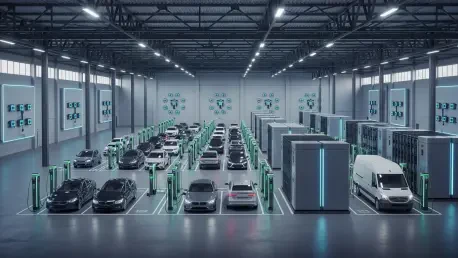
The emergence of new technologies within commercial spaces has introduced a layer of complexity that traditional underwriting departments often find difficult to quantify. For instance, the widespread adoption of large-scale lithium-ion battery storage and electric vehicle charging infrastructure within industrial warehouses creates specific fire hazards that require specialized suppression systems and tailored insurance wording. Many insurers have developed an aversion to these “complex risks,” leading to a contraction in available capacity or the imposition of prohibitively high premiums. This trend is further complicated by the repurposing of commercial buildings to house vulnerable populations or community initiatives, which changes the liability profile of the site. Without precise data and expert risk engineering, these properties fall into a coverage limbo where they are either priced out of the market or insured under generic terms that do not reflect the actual hazards present on the floor.
Furthermore, the digital transformation of the insurance industry has created a reliance on automated valuation models that occasionally miss the nuances of unique architectural features or specific local building regulations. While big data and artificial intelligence have streamlined the application process, they can sometimes overlook the physical reality of a site’s condition or its proximity to environmental hazards. This shift toward “low-touch” underwriting often prioritizes speed over accuracy, leaving business owners with a false sense of security. To bridge this gap, there is a growing necessity for a hybrid approach that combines the efficiency of digital tools with the granular insights provided by manual site inspections and professional surveying. By integrating real-time data from IoT sensors with expert human analysis, the industry can develop more accurate risk profiles that reflect the dynamic nature of modern commercial assets and ensure that the coverage provided is both relevant and robust.
Strategic Solutions for Risk Mitigation
Proactive Valuation and Professional Oversight
To combat the erosion of asset protection, property owners must transition from a reactive mindset to a proactive strategy centered on regular, professional valuations. Engaging independent surveying firms to conduct Reinstatement Cost Assessments (RCAs) ensures that the sums insured reflect the actual costs of labor and materials in the current market environment. These assessments should be performed at least every three years, with annual adjustments based on specialized construction indices to keep pace with inflationary trends. By maintaining an accurate record of a building’s specifications, including recent renovations or the installation of specialized machinery, owners can provide insurers with the transparency needed to secure competitive rates. This level of diligence not only prevents the application of the average clause during a claim but also demonstrates a commitment to risk management that can make a property more attractive to high-quality underwriters.
In addition to financial accuracy, physical security measures must be enhanced to address the specific vulnerabilities of the modern landscape. For properties facing periods of vacancy, implementing robust “target hardening” strategies—such as monitored CCTV, smart alarm systems, and regular perimeter patrols—can significantly reduce the likelihood of costly incidents. Insurers are increasingly rewarding owners who invest in these preventative measures with lower premiums or more favorable terms. This approach naturally leads to a more collaborative relationship between the policyholder and the broker, where the focus shifts from simply finding the lowest price to building a comprehensive safety net. When property owners take ownership of their risk data and physical security, they effectively narrow the insurance gap by reducing the probability of a loss and ensuring that any potential claim is backed by verified, up-to-date valuations and comprehensive documentation.
Industry Collaboration and Technological Integration
The insurance sector itself must evolve by embracing a more transparent and communicative relationship with commercial clients, particularly those in the SME category who may lack dedicated risk departments. Brokers and underwriters should work together to demystify the complexities of policy wording and provide actionable advice on how to mitigate specific site hazards. This involves moving away from standardized, one-size-fits-all products toward modular policies that can be adjusted as a business grows or its property usage changes. By utilizing advanced analytics to identify trends in claims data, insurers can offer targeted insights to their clients, helping them anticipate and prevent common issues before they result in a loss. This collaborative model fosters a more resilient economic environment where businesses are protected not just by a piece of paper, but by a holistic strategy of risk awareness and institutional support.
Looking toward the immediate future, the integration of real-time monitoring technology will play a pivotal role in closing the coverage gap. Smart sensors capable of detecting smoke, heat, or water ingress can provide early warnings that minimize damage and streamline the claims process. When these technological solutions are paired with a commitment to maintaining accurate building records, the result is a highly responsive insurance ecosystem. Property owners who adopt these innovations position themselves to navigate the challenges of the next several years with greater confidence, knowing their assets are shielded against both physical threats and economic instability. The transition toward a data-driven, highly communicative insurance market represents the most viable path forward for the UK commercial sector, ensuring that the backbone of the economy remains protected against the unpredictable nature of the modern world.
Future Considerations for Asset Protection
The resolution of the commercial property insurance gap was achieved through a shift in how risk is perceived and managed across the entire value chain. Property owners who moved away from the pursuit of the lowest possible premium in favor of detailed, professional risk assessments found themselves much better positioned to handle the economic fluctuations of the late 2020s. By prioritizing accurate Reinstatement Cost Assessments and investing in advanced security technology, these businesses ensured that their coverage remained aligned with the actual costs of reconstruction. The insurance industry, in turn, began to offer more tailored solutions that recognized the proactive efforts of owners, creating a more sustainable and transparent market. Moving forward, it is essential for stakeholders to maintain this level of engagement, treating insurance not as a static administrative burden but as a dynamic component of strategic business planning. Regular audits of policy limits and physical site conditions should become standard practice to prevent the recurrence of systemic underinsurance. Professional consultation remained the most effective tool for navigating the complexities of modern commercial risks, providing a clear path toward long-term financial resilience and asset security.