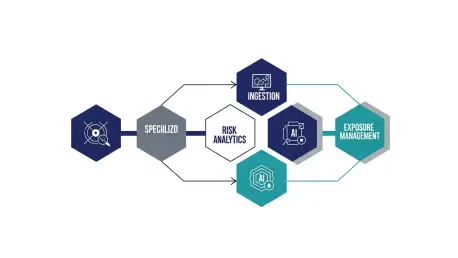

The high-stakes landscape of specialty insurance is currently undergoing a radical transformation as firms transition from generalist platforms to hyper-specialized digital ecosystems. When a pioneer like Insurwave transfers its core AI ingestion machinery to Portage AI, it signals a profound shift in market maturity. This strategic divestment of engineering talent and proprietary code highlights a new reality: the “all-in-one” technology provider is no longer the gold standard for complex risk management in a fragmented global economy.
Such transactions demonstrate that the era of generalist dominance is rapidly fading, replaced by a sophisticated network of specialists. By handing over the reins of data processing, Insurwave effectively positioned itself to master the analytics side of the equation. This move actually strengthened the market position of both companies, allowing each to refine their specific value propositions while accelerating the digital transformation across the London and Bermuda insurance hubs.
The Growing Crisis of Unstructured Data in High-Stakes Risk
For decades, the specialty insurance sector remained trapped within a “data ingestion bottleneck” that slowed global trade and limited coverage flexibility. Brokers and underwriters frequently struggled to convert massive aviation fleet documents and marine cargo insurance slips into structured digital formats. This manual process traditionally consumed days of labor and introduced significant room for human error, which is often catastrophic in high-value placements.
In the current data-centric environment, the ability to turn unstructured documents into actionable digital outputs in real-time is no longer a luxury; it has become the baseline for survival. As competitive pressures mount in major financial centers, organizations that fail to automate this initial stage of the risk lifecycle find themselves unable to participate in fast-moving placements. The industry required a solution that moved beyond basic optical character recognition toward intelligent, context-aware processing.
Strategic Realignment: Divestment as a Catalyst for Specialization
Insurwave’s decision to sell its AI submission ingestion capability marked a fundamental shift in corporate strategy away from broad data management. The company chose to focus exclusively on exposure management and connected risk analytics, providing deeper visibility into complex portfolios. By transferring its specialist engineering team to Portage AI, the firm prioritized its core platform’s ability to offer real-time insights for insurers and brokers dealing with marine and aviation risks.
Meanwhile, Portage AI leveraged these newly acquired assets to revolutionize delegated binder workflows across diverse classes, including commercial property and power. This deal illustrated a broader industry trend where technology providers chose to dominate a specific niche rather than spreading resources too thin. By specializing in data ingestion, Portage AI optimized the very beginning of the insurance value chain, ensuring that the information flowing into analytics platforms like Insurwave remained accurate and timely.
Leadership Perspectives on the Shift Toward Operational Intelligence
The leaders behind the deal emphasized that AI transitioned from an experimental tool to a fundamental operational requirement for modern business. Insurwave CEO Adrian Morgan highlighted that the move allowed the firm to pivot toward real-time underwriting intelligence, which is vital for monitoring modern portfolio exposures. This focus on “operational intelligence” suggests that the most successful firms are those that provide actionable answers rather than just raw data.
On the other side of the transaction, Portage AI CEO Greg Framke noted that the acquisition bolstered automation capabilities at a time when demand for AI-driven processing reached an all-time high. Industry experts viewed the ongoing collaboration between these two entities as a blueprint for the future of the sector. The partnership proved that specialized firms could work together through seamless integration to fully digitize the specialty insurance value chain without sacrificing the depth of their individual expertise.
Implementing a Niche-Focused Strategy in Your Insurance Workflow
Organizations that successfully capitalized on this industry shift evaluated their technology stacks to identify where niche specialization replaced cumbersome generalist tools. These firms identified manual data entry from insurance slips as a primary bottleneck and replaced those workflows with AI-driven ingestion engines that reduced processing times from days to hours. They prioritized the adoption of platforms that offered specific asset intelligence and entity-level data to enhance their underwriting accuracy and speed.
By adopting a “divest-to-focus” mindset, stakeholders streamlined their internal operations and ensured that every technological investment offered a high return on risk management. These companies successfully transitioned away from monolithic software suites and instead integrated best-of-breed components that communicated via advanced APIs. This strategic evolution empowered the specialty market to handle increasingly complex global risks with a level of precision that was previously considered impossible for traditional brokerage houses.