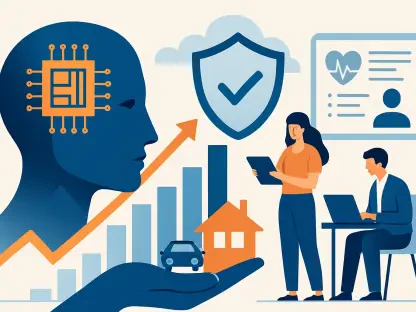

The shift from antiquated, paper-heavy underwriting to a streamlined digital ecosystem represents the most significant structural change the specialist insurance sector has seen in decades. This review explores the ongoing evolution of these technologies, examining how the integration of advanced data platforms and artificial intelligence is reshaping the landscape for Managing General Agents (MGAs). The goal is to provide a comprehensive analysis of the current state of digital tools, their operational efficacy, and the strategic shifts they demand from industry leaders.
Evolution of Digital Systems in Specialist Insurance
Specialist insurance has long been a bastion of manual processes, where niche expertise in areas like agriculture or marine risk was locked within the minds of veteran underwriters. The emergence of integrated digital ecosystems marks a departure from this siloed approach, moving toward a framework where data is centralized and accessible. At its core, this evolution is driven by the need for transparency and speed, transforming the underwriter’s role from a data entry clerk to a high-level strategic analyst.
In the broader technological landscape, this shift is more than just a software update; it is a fundamental reimagining of how risk is assessed and managed. By moving away from legacy systems that often fail to communicate with one another, firms are creating a unified digital architecture. This context is vital because it allows for a more holistic view of a portfolio, enabling MGAs to react to market fluctuations with a level of agility that was previously impossible under the old, fragmented manual regimes.
Core Pillars of the Modern Insurance Framework
Augmented Underwriting and AI Integration
One of the most compelling features of modern insurance technology is the intersection of human intuition and Artificial Intelligence, often referred to as augmented underwriting. AI functions here not as a replacement for the professional but as a high-velocity engine for data processing. It can sift through thousands of data points—from satellite imagery of farmland to global shipping logs—identifying patterns that a human might miss. This allows the underwriter to focus their subjective expertise on the most complex aspects of a niche risk.
The uniqueness of this implementation lies in its ability to preserve the “science and art” of underwriting. While competitors might push for total automation, the most successful specialist firms are using AI to provide a “second opinion” or to flag anomalies that require human intervention. This balanced approach ensures that the nuanced context of a specific client’s business is never lost in a purely algorithmic decision-making process, maintaining the high standards of bespoke risk assessment.
Cloud-Based Platforms for MGA Operations
Unified cloud platforms have become the backbone of efficient MGA operations, particularly for those managing diverse portfolios such as agriculture and marine. These systems act as a single source of truth, integrating various business units and legal entities into one interface. The primary benefit is the drastic reduction in operational friction; when data flows seamlessly between a broker, an underwriter, and a capacity provider, the margin for error shrinks significantly.
These platforms are distinct from generic insurance software because they are built to handle the complexities of multi-class trading. For instance, a single platform might manage both “tractors and boats,” requiring vastly different data sets and regulatory considerations. By centralizing these disparate lines, firms achieve a level of data accuracy that supports more informed capacity tender reviews. This technological cohesion is what allows an MGA to scale rapidly without a proportional increase in administrative overhead.
Emerging Trends in Technological Adaptation
A significant trend currently surfacing is “technological pragmatism,” where the industry is moving away from the pursuit of total automation in favor of user-centric design. Firms are increasingly prioritizing tools that improve the daily lives of their staff and clients rather than replacing them. This is evidenced by a rise in discovery sessions with technology vendors, where the focus is on building bespoke, future-ready solutions that align specifically with the unique workflow of a specialist team.
Moreover, there is a visible shift in industry behavior toward collaborative development. Instead of purchasing off-the-shelf software, insurance leaders are engaging in iterative design processes to ensure that new tools actually solve real-world problems. This move toward custom-built digital ecosystems suggests that the market is beginning to value the flexibility of a platform as much as its core functionality, allowing for more rapid adaptation to changing economic or environmental conditions.
Real-World Applications and Sector Integration
Digital transformation facilitates the practical merger of disparate business units, a necessity in an era of frequent strategic acquisitions. For example, when an agriculture-focused unit merges with a marine specialist, a robust digital framework acts as the “glue” that holds the new entity together. It allows for the alignment of products and personnel, ensuring that the combined strength of the merged companies is greater than the sum of its parts through shared insights and unified reporting.
In specialist markets, these applications extend to data-driven product development. By analyzing feedback from market surveys and broker interactions through a digital lens, firms can refine their offerings with surgical precision. In sectors like agriculture, this might mean adjusting policy terms based on regional climate data or livestock trends. Such unique use cases demonstrate that technology is not just an administrative tool but a vital component of product innovation and market responsiveness.
Strategic Challenges and Adoption Barriers
Despite the clear advantages, the migration of legacy data remains a formidable technical hurdle. Decades of unstructured information must be cleaned, categorized, and moved into new systems without disrupting ongoing operations. This process is often fraught with complexity, as old data formats may not easily map to modern database structures. Furthermore, the cultural friction associated with such deep integration cannot be overlooked; staff who are accustomed to traditional methods may view automation with skepticism.
To mitigate these limitations, forward-thinking organizations are employing “change advocates” to bridge the gap between technical leadership and the broader workforce. These advocates help translate complex technological shifts into tangible benefits for the staff, reducing resistance and fostering a culture of inclusion. While technical hurdles are significant, the human element of digital adoption remains the most critical variable in determining whether a new platform will succeed or fail in a high-pressure corporate environment.
Future Outlook and Industry Trajectory
Looking ahead, the industry is likely to see a deeper integration of predictive analytics and automated capacity tender reviews. The goal will be to move from reactive risk management to proactive forecasting, where digital systems can anticipate market shifts before they occur. We can also expect breakthroughs in human-led automation, where the relationship between the broker and the client is enhanced by real-time data sharing, making the entire insurance lifecycle more transparent and efficient.
The long-term impact of these advancements will likely redefine the broker-client relationship, moving it toward a more consultative model. As administrative tasks become more automated, the value of the insurance professional will reside increasingly in their ability to provide strategic advice based on the insights generated by their digital tools. This evolution will cement the role of the specialist MGA as a high-tech, high-touch intermediary in a global market that demands both speed and deep expertise.
Summary of Findings and Assessment
The synthesis of traditional underwriting expertise and modern digital modernization has proven to be an essential strategy for survival in a data-centric market. The adoption of augmented intelligence has allowed firms to maintain their niche expertise while achieving the operational efficiencies required to compete on a global scale. By focusing on cultural alignment and user-centric technology, leaders in the specialist insurance space have successfully navigated the complexities of corporate integration and technological shifts.
Strategic investments in flexible, cloud-based architectures were shown to provide a significant competitive advantage by enabling more accurate risk pricing and smoother capacity management. For organizations looking to future-proof their operations, the focus must shift toward refining these digital ecosystems to be even more responsive to real-time data inputs. The ultimate verdict was that while technology provides the framework for growth, the human element remains the indispensable core of the specialist insurance value proposition. Moving forward, firms should prioritize the continuous upskilling of their workforce to ensure that staff can fully leverage the sophisticated analytical tools now at their disposal.