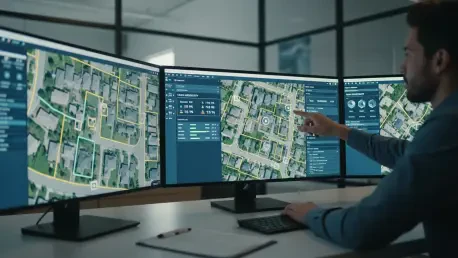

The traditional property inspection process, once defined by adjusters with ladders and clipboards, has effectively been replaced by a sophisticated network of orbital satellites, high-altitude fixed-wing aircraft, and agile unmanned aerial vehicles. This technological leap into the current year allows insurance carriers to analyze thousands of properties in the time it once took to evaluate a single neighborhood, yet this efficiency brings new ethical and legal challenges that state insurance departments are now moving to address. Regulators are increasingly concerned that the automated nature of these systems could lead to unfair treatment of policyholders if left unchecked by human oversight or standardized transparency protocols. The current objective is to foster an environment where innovation thrives while ensuring that every automated decision is grounded in verifiable data and equitable practices. As these digital tools become the backbone of modern underwriting and claims management, the industry must navigate a complex landscape of emerging rules designed to prevent arbitrary policy cancellations based solely on algorithmic outputs.
Enhancing Precision Through AI and Computer Vision
The true potential of aerial imagery is realized when massive datasets are processed through advanced computer-vision algorithms capable of identifying structural patterns that the human eye might overlook. These artificial intelligence models translate raw visual information into structured data points, such as precise roof condition scores, the presence of overhanging vegetation, or the specific distance between a home and high-risk fuel zones for wildfires. By automating the extraction of these insights, insurers can achieve a level of granular risk profiling that was previously cost-prohibitive for large-scale portfolios. This high-tech approach ensures that property characteristics are verified with mathematical precision, allowing for more accurate premium pricing that reflects the actual exposure of the asset. Furthermore, the integration of these models into the initial underwriting workflow minimizes the need for intrusive physical inspections, creating a more seamless and efficient experience for both the carrier and the prospective policyholder during the onboarding process.
Despite the undeniable efficiency of automated assessment, state regulators have established clear boundaries stating that artificial intelligence should never serve as the final arbiter in a vacuum. A significant regulatory theme emphasizes a multifactorial approach, where aerial imagery is treated as an informative signal rather than an absolute truth that justifies immediate adverse actions. When a computer-vision model identifies a potential hazard, such as structural degradation or an unreported swimming pool, insurers are increasingly expected to corroborate these findings with additional data sources or human review. This safeguard is designed to mitigate the risks associated with algorithmic bias or technical errors that can occur during automated processing. By requiring a “human-in-the-loop” for high-stakes decisions like policy non-renewals, regulators ensure that the technology assists rather than replaces the professional judgment required to maintain a fair insurance marketplace. This balanced framework allows for technical scaling while preserving the essential principles of consumer protection and accuracy.
Standards for Data Integrity and Risk Assessment
The fundamental accuracy of any insurance decision is entirely dependent on the quality and recency of the visual data being analyzed by the underwriting systems. Regulators have expressed profound concern regarding the potential for false positives caused by environmental factors such as moving shadows, dense tree canopy coverage, or poor atmospheric conditions during image capture. If an insurer relies on an image that is several years old or captured during a season that obscures the property’s true state, the resulting risk assessment is inherently flawed and potentially discriminatory. Consequently, modern compliance standards now require insurers to implement rigorous protocols for data freshness, ensuring that the imagery used for rating or renewal decisions reflects the property as it exists today. Establishing these high benchmarks for data integrity prevents the penalization of homeowners for conditions that may have already been remediated or for phantom hazards that only exist as artifacts within a low-resolution or improperly processed digital file.
A critical point of friction between insurance carriers and regulatory bodies involves the necessary distinction between material structural hazards and minor cosmetic flaws that do not impact risk. Many state departments have issued guidance cautioning insurers against using aerial imagery to justify adverse underwriting actions based on aesthetic issues like roof discoloration, minor moss growth, or staining that does not compromise integrity. The regulatory consensus is that adverse outcomes for consumers should be strictly reserved for conditions that materially increase the likelihood or the expected severity of a loss event. This policy ensures that homeowners are not unfairly targeted for superficial maintenance issues that pose no threat to the safety or stability of the insured structure. By focusing on material risk rather than visual perfection, the industry maintains a more equitable relationship with its policyholders. This shift in focus encourages carriers to refine their computer-vision models to better differentiate between aging materials and functional failures, ensuring a fairer assessment process.
Transparency and Consumer Rights
Transparency serves as the cornerstone of the emerging regulatory framework, requiring insurers to move away from opaque decision-making processes toward clear communication. When a carrier takes an adverse action based on aerial data, such as increasing a premium or declining coverage, they are now frequently required to provide specific and meaningful explanations to the affected consumer. The era of citing “underwriting judgment” as a catch-all justification has passed, as regulators now demand that companies share the specific images or detailed descriptions of the conditions identified by the technology. This level of disclosure empowers homeowners to understand the factors influencing their insurance costs and provides them with a clear path to address any identified concerns. By making the data accessible, insurers can build a greater sense of trust and accountability, demonstrating that their decisions are based on objective evidence rather than arbitrary automated scores that the policyholder has no way of verifying.
To ensure long-term fairness in the digital age, insurers must also provide policyholders with a robust “right to cure” and functional dispute resolution mechanisms. If an aerial image suggests a hazard, the homeowner should be granted a reasonable window of time to make necessary repairs or provide contradictory evidence before their policy is negatively impacted. This might include submitting a report from a licensed contractor or providing high-resolution ground-level photos that clarify an ambiguous aerial view. Regulators expect that if a conflict arises between automated data and physical evidence provided by the homeowner, the insurer will conduct a secondary investigation, often involving a traditional on-site inspection, to resolve the discrepancy. These procedural safeguards serve as a vital safety net against the potential errors of a “black box” system. Maintaining these dispute pathways ensures that the integration of high-tech tools does not strip consumers of their right to a fair and accurate assessment of their property’s true condition.
Governance and Regulatory Alignment
Insurers operating in the modern market must ensure that their utilization of imagery and advanced analytics aligns perfectly with established legal frameworks and anti-discrimination statutes. The National Association of Insurance Commissioners has introduced model bulletins that serve as an overarching governance umbrella, emphasizing that the use of technology must be consistent and non-arbitrary. These standards reinforce the principle that insurance companies remain fully accountable for the data and models they employ, regardless of whether those tools are developed internally or sourced from third-party vendors. If a vendor’s proprietary algorithm produces biased or inaccurate results, the burden of responsibility falls squarely on the insurer to identify and rectify those issues. This regulatory stance prevents the outsourcing of accountability and forces companies to perform deep due diligence on their technology partners to ensure that every automated insight meets the high standards required for legal compliance and ethical operation in the industry.
This evolving regulatory environment creates a system where the internal logic of complex models must be made transparent and auditable for state examiners upon request. By maintaining exhaustive documentation on how aerial imagery is integrated into underwriting rules and how disputes are managed, insurers can successfully defend their business practices in an increasingly scrutinized market. This move toward auditability ensures that the benefits of technological innovation, such as faster claims processing and more precise pricing, are not achieved at the expense of consumer rights or market stability. Ultimately, the successful integration of these tools depends on a proactive approach to governance that prioritizes data ethics as much as operational efficiency. When carriers embrace these regulatory expectations, they foster a more resilient and data-driven ecosystem that balances the drive for digital transformation with the permanent need for consumer protection. This alignment creates a more predictable landscape for future investment in new assessment technologies.
Strategic Evolution and Policy Implementation
The insurance industry successfully navigated the integration of aerial imagery by adopting comprehensive internal auditing programs that prioritized the accuracy of automated property assessments. Carriers that thrived during this transition were those that proactively aligned their technological workflows with state-level transparency mandates and consumer protection standards. These organizations recognized that while satellites and drones provided unprecedented scale, the value of that data was only as strong as the human oversight governing its use. By establishing specialized units to review contested imagery and verify automated scores, leading insurers reduced their regulatory friction and improved their overall customer retention rates. The transition period demonstrated that a commitment to data integrity and clear communication was not a hurdle to innovation but rather a necessary component for long-term operational success. The industry eventually moved toward a model where high-tech tools and human expertise complemented each other to create a more efficient and accurate insurance marketplace.
Looking ahead, insurance professionals should focus on continuous validation of their third-party data streams to ensure that all visual information remains current and compliant with regional standards. It is essential to perform regular bias audits on computer-vision algorithms to prevent any unintentional discrimination against specific geographic locations or property types. Carriers should also invest in training their underwriting and claims teams to interpret aerial data within the context of physical reality, ensuring that automated insights are always checked against practical structural knowledge. Developing clear, consumer-friendly disclosure templates that explain how aerial imagery impacts policy decisions will also be a critical step in maintaining positive policyholder relations. By staying ahead of regulatory trends and prioritizing the ethical use of data, insurance organizations can leverage the full power of artificial intelligence to drive efficiency while maintaining a reputation for fairness and transparency. This strategic path ensures that the industry remains both technologically advanced and fundamentally grounded in the service of its customers.