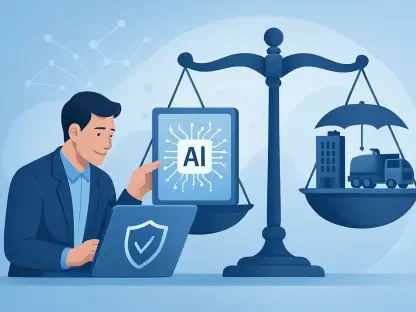

Imagine a corporate boardroom where directors and officers (D&O) are grappling with a sudden cyberattack that not only cripples their company’s digital infrastructure but also exposes sensitive data linked to international clients, potentially violating sanctions tied to geopolitical tensions. This isn’t a far-fetched scenario but a stark reality for many executives today. The risk landscape has shifted dramatically, with global unrest, digital vulnerabilities, and cutting-edge technologies like artificial intelligence (AI) weaving a complex web of liabilities. For companies in specialized sectors such as telecommunications or medical technology, these challenges aren’t just operational hurdles—they’re personal risks for leaders who could face lawsuits over mismanagement or oversight failures. As these threats grow more interconnected, traditional risk management falls short, leaving D&O exposed. What’s clear is that navigating this terrain demands more than generic solutions; it requires strategic, tailored approaches to shield both executives and their organizations from an unpredictable world.
Evolving Risk Landscape for D&O
Geopolitical Instabilities and Their Impact
The ripple effects of geopolitical turmoil are hitting corporate leaders harder than ever, turning boardroom decisions into high-stakes gambles. Trade disputes, sanctions, and political unrest across borders can disrupt supply chains overnight or block market access, leaving directors and officers liable if their strategies fail to account for these volatile conditions. A misstep in navigating international regulations or a sudden policy shift in a key region can translate into financial losses and legal scrutiny for executives tasked with steering the ship. This unpredictability isn’t just a business challenge; it’s a personal risk for D&O who must anticipate global developments that often lie beyond their control. The pressure to make sound decisions amid such uncertainty is immense, as shareholders and regulators increasingly hold leaders accountable for outcomes influenced by factors far outside corporate walls.
Moreover, the financial implications of geopolitical risks often intersect with other liabilities, amplifying the exposure for D&O. A company reliant on global supply chains might face delays or penalties due to new trade barriers, prompting investor lawsuits claiming negligence in risk planning. Beyond immediate losses, reputational damage from being caught in international controversies can further erode trust, making it harder for executives to defend their actions. The reality is that geopolitical challenges aren’t isolated issues—they bleed into operational, legal, and strategic domains, creating a minefield for corporate leaders. As these tensions show no sign of easing, the need to integrate global awareness into risk management becomes not just prudent but essential for protecting D&O from cascading consequences.
Cyber Threats as a Core Concern
When it comes to cyber threats, the stakes for directors and officers couldn’t be higher, with a single breach capable of unraveling years of careful governance. Data leaks, ransomware, and network failures aren’t just technical glitches; they’re potential triggers for massive financial hits and lawsuits alleging inadequate oversight. Executives are now on the hook for ensuring that robust cybersecurity measures are in place, even as hackers grow more sophisticated by the day. The fallout from a cyber incident can be devastating—think millions in damages, regulatory fines, and a tarnished brand that takes years to rebuild. For D&O, the burden lies in proving they’ve done enough to protect the company, a task made tougher by the ever-shifting nature of digital threats that outpace many traditional defenses.
Equally alarming is the legal landscape surrounding cyber risks, which places additional pressure on corporate leaders to stay ahead of the curve. Shareholders and stakeholders are quick to point fingers when a breach exposes vulnerabilities, often filing claims that accuse D&O of failing to prioritize security. The costs aren’t just monetary; the personal toll of litigation and public scrutiny can be immense, eroding confidence in leadership. Furthermore, as cyber incidents often cross borders, they can entangle companies in international legal disputes, complicating accountability for executives. With digital threats now a boardroom priority, the message is clear: D&O must champion cybersecurity not as an IT issue but as a core governance responsibility, lest they bear the brunt of inevitable attacks.
Emerging Technologies and New Liabilities
The Double-Edged Sword of AI
Artificial intelligence holds incredible promise for transforming business, yet it also casts a long shadow of liability over directors and officers. While AI can streamline operations and sharpen decision-making, it introduces risks like biased algorithms or unintended ethical breaches that can land executives in hot water. A flawed AI system might discriminate in hiring or customer interactions, sparking lawsuits or regulatory penalties if D&O are seen as negligent in overseeing its deployment. The technology’s complexity often outstrips existing frameworks, leaving leaders vulnerable to claims when things go wrong. As companies race to adopt AI, the challenge for corporate heads isn’t just leveraging its benefits—it’s ensuring they’re not blindsided by pitfalls that could jeopardize their personal and professional standing.
Beyond ethical concerns, the regulatory scrutiny surrounding AI adds another layer of risk for D&O, who must navigate a patchwork of emerging rules. Governments worldwide are scrambling to set guidelines, and non-compliance can result in hefty fines or legal action against executives for failing to keep pace. Public perception plays a role too; a single AI misstep can fuel outrage, prompting shareholder backlash and demands for accountability at the top. This isn’t mere speculation—real-world cases of AI failures have already led to significant reputational damage for firms unprepared for the fallout. For D&O, the takeaway is stark: embracing AI demands rigorous oversight and a deep understanding of its risks, or they risk becoming the face of a technology-driven disaster that could have been prevented.
Interconnected Risks in a Digital Age
The modern risk environment is a tangled web where cyber threats, geopolitical issues, and technological advancements collide, creating cascading liabilities for directors and officers. Consider a cyberattack fueled by state-sponsored actors during a period of international tension—such an event can trigger not only data loss but also regulatory violations and lawsuits tied to geopolitical missteps. Executives find themselves at the center of this storm, held accountable for failures across multiple domains that are often intertwined. A breach might expose sensitive trade information, violating sanctions and inviting legal action, while simultaneously damaging investor confidence. This overlap means D&O can’t tackle risks in silos; they must anticipate how one incident can snowball into broader, more complex challenges.
Adding to this complexity is the speed at which digital-age risks evolve, leaving little room for reactive measures by corporate leaders. A technological failure, like an AI glitch, can exacerbate a cyber vulnerability, which in turn might be exploited due to geopolitical motives, creating a perfect storm of liability. The interconnected nature of these threats demands a holistic view, where D&O recognize that no risk exists in isolation. Legal and financial repercussions often span borders, complicating efforts to mitigate damage while under intense scrutiny from stakeholders. As these challenges intensify, it becomes evident that executives need more than piecemeal solutions—they require integrated strategies that address the full spectrum of potential fallout in a world where risks refuse to stay neatly categorized.
The Need for Specialized Risk Management
Limitations of Traditional Approaches
Traditional risk management strategies are increasingly out of step with the nuanced, fast-moving threats facing directors and officers in today’s business world. Generic insurance policies and one-size-fits-all frameworks often fail to capture the unique vulnerabilities of specialized industries like telecommunications or medical technology, where regulatory demands and operational risks vary widely. These outdated approaches might cover basic liabilities but rarely account for the intricate interplay of geopolitical, cyber, and technological challenges that can blindside executives. As a result, D&O are left exposed to personal and professional fallout when crises strike, with little in the way of tailored guidance to navigate the storm. The gap between conventional methods and modern needs has never been more apparent.
Compounding this issue is the inability of standard practices to adapt to the rapid evolution of risks that characterize the current landscape. A policy designed for yesterday’s threats can’t anticipate tomorrow’s cyberattack or geopolitical shift, leaving companies—and their leaders—scrambling to react rather than proactively protect. This reactive stance often leads to higher claim frequencies and legal battles that could have been mitigated with foresight. For industries facing highly specific exposures, such as stringent compliance in medical tech, the shortcomings of broad-brush solutions are even more pronounced. The reality is that clinging to traditional models in the face of complex, interconnected liabilities is a gamble that D&O can ill afford, underscoring the urgent need for a more customized approach to safeguarding their interests.
Shift to Consultative Partnerships
In response to these glaring gaps, the insurance industry is undergoing a transformation, moving toward consultative partnerships that offer directors and officers a lifeline amid rising risks. Insurers with deep industry expertise are stepping beyond mere policy provision to act as strategic allies, helping companies pinpoint vulnerabilities before they become crises. Firms with specialized knowledge, for instance, work directly with executives to design risk control measures that align with the unique challenges of their sector, whether it’s cybersecurity in IT or regulatory hurdles in healthcare. This hands-on approach shifts the focus from checking compliance boxes to building trust and delivering practical solutions that genuinely reduce D&O exposure in a meaningful way.
What sets these partnerships apart is their emphasis on collaboration over dictation, ensuring that risk management feels less like a burden and more like a shared goal for corporate leaders. By embedding industry-savvy professionals into the process, insurers can offer insights drawn from real-world experience, tailoring interventions to fit a company’s specific operational rhythm. This might mean crafting detailed cyber defense plans or advising on geopolitical risk navigation, all while maintaining business continuity. The result is a stronger shield for D&O, who benefit from guidance that’s as dynamic as the threats they face. As this model gains traction, it’s becoming clear that such strategic alliances are not just a luxury but a necessity for executives aiming to stay ahead of an ever-shifting risk horizon.
Building Resilience Through Expertise
Cross-Sector Knowledge Sharing
The power of cross-sector knowledge sharing is reshaping how risk management supports directors and officers, breaking down silos to deliver broader, more adaptable solutions. Integrated teams within forward-thinking insurance firms draw on insights from diverse industries and global regions, applying lessons learned in one context to benefit another. A cyber defense strategy proven effective in Europe, for example, might be tailored to protect a North American tech firm, while wildfire mitigation tactics from one market inform supply chain planning elsewhere. This collaborative ethos ensures that D&O receive cutting-edge guidance, no matter their sector, by leveraging a collective pool of expertise that anticipates risks before they fully emerge. It’s a game-changer for executives facing threats that don’t respect industry boundaries.
This approach also fosters resilience by addressing the interconnected nature of modern liabilities, a critical concern for corporate leaders under pressure. When insurers share best practices across borders and sectors, they equip companies to handle overlapping challenges—think cyber risks tied to geopolitical tensions or tech failures impacting operations. The adaptability of these strategies means D&O aren’t stuck with rigid plans but instead gain flexible frameworks that evolve with the threat landscape. Additionally, this knowledge exchange builds confidence among executives, who can rely on tested solutions rather than unproven guesses. As risks grow more complex, the value of such a networked, insight-driven model becomes undeniable, offering a robust foundation for protecting leaders across varied business environments.
Real-World Impact of Tailored Solutions
The tangible benefits of tailored risk management come to life in real-world scenarios, where specialized solutions have directly bolstered D&O protection and company stability. Take the example of a telecommunications firm struggling with escalating fleet losses—a situation that could easily have led to canceled coverage and legal exposure for executives. Instead, a focused risk control team stepped in, working closely with the company to uncover root causes and roll out practical fixes like standardized driver monitoring and accident analysis protocols. The result wasn’t just stabilized losses but also renewed trust between insurer and client, shielding D&O from potential claims tied to operational failures. Such cases underscore how customized interventions can turn high-risk situations into sustainable partnerships.
Beyond isolated success stories, these tailored efforts consistently demonstrate measurable value for directors and officers navigating tricky waters. By addressing specific pain points with hands-on support, insurers help reduce claim frequency while enhancing long-term insurability—a win for executives facing personal liability. These initiatives also strengthen relationships with stakeholders, as brokers and shareholders see ongoing commitment to risk mitigation rather than short-term fixes. The ripple effect is a more resilient operation, where D&O can focus on strategic growth rather than constant firefighting. As more companies witness the impact of such expert-driven support, it’s evident that personalized risk control isn’t just a reactive tool—it’s a proactive shield that fortifies leadership against the unexpected.
Future Outlook for D&O Risk Management
Growing Demand for Industry-Specific Expertise
Looking ahead, the appetite for industry-specific expertise in risk management is set to soar as directors and officers grapple with an increasingly intricate web of threats. Geopolitical flare-ups, relentless cyber attacks, and the ethical minefield of technologies like AI aren’t slowing down, and generic approaches simply can’t keep up with the pace or depth of these challenges. Companies in niche sectors—think medical tech with its regulatory maze or IT with its digital vulnerabilities—need insurers who understand their world inside out. Those who partner with providers offering deep, sector-focused insights will likely find themselves better armed to protect their leaders from personal and professional fallout. This trend isn’t a passing phase; it’s a fundamental shift toward precision in safeguarding D&O amid growing uncertainty.
The push for specialized support also reflects a broader recognition that one-size-fits-all is a relic in today’s risk environment, especially for executives under intense scrutiny. As threats evolve, insurers with tailored frameworks can adapt strategies to match a company’s unique footprint, whether it’s fortifying cyber defenses or navigating international sanctions. This customization not only mitigates immediate risks but also builds a foundation for long-term stability, giving D&O breathing room to lead without constant dread of legal repercussions. The message for businesses is straightforward: aligning with experts who grasp the nuances of their industry isn’t optional anymore—it’s a critical step to staying competitive and secure in a landscape where the stakes for leadership have never been higher.
Strategic Importance of Proactive Measures
Ultimately, tackling D&O risks has transcended mere compliance to become a linchpin of enduring business strategy, demanding foresight over reaction from corporate leaders. Proactive collaboration with insurers ensures that potential liabilities—from cyber breaches to geopolitical missteps—are identified and addressed before they spiral into crises. This forward-thinking stance not only protects executives from legal and financial blows but also instills confidence in decision-making, allowing them to focus on innovation rather than damage control. By embedding risk management into the core of strategic planning, companies create a culture of preparedness that resonates with stakeholders and strengthens market positioning. For D&O, this shift is a powerful reminder that their shield lies in anticipation, not aftermath.
Equally vital is the role of ongoing engagement with risk experts, which turns protection into a dynamic, evolving process for directors and officers. Regular assessments and updated strategies mean that defenses against emerging threats remain sharp, whether it’s adapting to new AI regulations or countering sophisticated cyber tactics. This continuous partnership fosters operational stability, ensuring that executives aren’t caught off guard by rapid changes in the global or digital sphere. The broader implication is clear: investing in proactive measures today paves the way for tomorrow’s resilience, positioning D&O to lead with assurance. As the risk horizon grows ever more daunting, those who embraced strategic foresight through expert alliances will stand as the ones who not only survived but thrived amid the chaos.