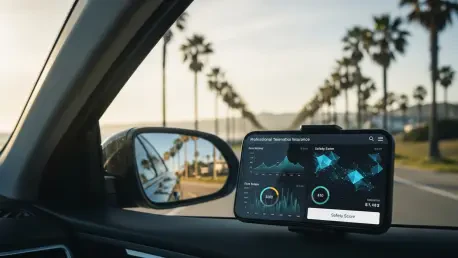

The landscape of California’s automotive insurance market is currently facing a transformative shift as legislators weigh the benefits of real-time driver monitoring against the long-standing consumer protections established decades ago. Assembly Bill 311, introduced by Assemblymember Tina McKinnor, represents a bold departure from the traditional methods used to calculate insurance premiums in the Golden State. For nearly forty years, California has operated under the strict guidelines of Proposition 103, a voter-approved initiative that mandates rates be primarily based on driving records, years of experience, and total annual mileage. By proposing the integration of telematics, which uses smartphone apps or vehicle-embedded hardware to track granular driving behaviors in real-time, the bill seeks to align California with the rest of the nation. Currently, California remains the only state in the country that prohibits insurance companies from using this type of surveillance technology to dictate pricing, making the debate over AB 311 a high-stakes battle between technological modernization and historical consumer rights. Proponents argue that this transition is necessary to modernize a stagnant system, while critics fear it could lead to invasive monitoring and the erosion of privacy for millions of residents.
Incentivizing Safer Roads through Real-Time Feedback
Supporters of the proposed legislation emphasize that financial incentives serve as one of the most powerful tools available for improving overall public safety on California’s crowded highways. By offering a “carrot” in the form of potentially lower premiums, insurance carriers can encourage drivers to adopt more cautious habits behind the wheel. Road-safety coalitions have pointed out that traditional insurance models are inherently reactive, as they only penalize drivers after an accident has occurred or a traffic citation has been issued. In contrast, telematics systems provide a more immediate correction loop, allowing drivers to see exactly how their behaviors impact their costs. This real-time feedback mechanism is designed to keep drivers focused, discourage aggressive maneuvers, and ultimately reduce the frequency of catastrophic collisions. When a driver knows that a sudden swerve or excessive speed will be recorded and reflected in their monthly bill, they are statistically more likely to maintain a steady pace and follow traffic laws, creating a ripple effect of safety that benefits everyone sharing the road.
To effectively achieve these safety objectives, the telematics infrastructure relies on the collection of a wide range of sensitive data points that provide a comprehensive profile of a driver’s risk level. These systems monitor for specific indicators of danger, such as excessive speeding, sudden “hard” braking, and high-force cornering that typically suggests reckless or aggressive driving habits. Modern technology can even detect when a driver is interacting with their mobile phone while the vehicle is in motion, offering a direct way to combat the growing epidemic of distracted driving. Furthermore, the technology tracks the specific times of day and geographic locations where a vehicle is operated, allowing insurers to assess whether a driver is frequently navigating high-risk urban areas during peak congestion or driving late at night when visibility is low and the likelihood of encountering impaired drivers increases. This level of granularity provides a much more accurate picture of risk than traditional mileage estimates, but it also raises fundamental questions about the sheer volume of personal information being handed over to private corporations.
Regulatory Concerns: The Challenge of Algorithmic Governance
The California Department of Insurance has remained a vocal opponent of the current proposal, primarily due to deep-seated concerns regarding transparency and the potential for regulatory oversight to be bypassed. State regulators have warned that shifting toward a telematics-based pricing model could lead to the rise of “black box” systems, where insurance premiums are determined by proprietary algorithms that are shielded from public or governmental audit. If the state cannot verify the mathematical logic behind a rate increase, it becomes nearly impossible to ensure that drivers are being treated fairly or that the pricing is actually justified by historical data. There is additional worry regarding the role of third-party data vendors who may collect and process this information on behalf of insurance companies. These intermediaries often operate outside the strict regulatory framework that governs traditional insurance carriers, creating a significant loophole where driver data could be mishandled or exploited without the same level of accountability that Californians have come to expect from their state institutions.
Beyond the technical hurdles of transparency, critics are increasingly worried about the disparate impact that telematics could have on vulnerable and marginalized populations across the state. Many of the data points that appear neutral on the surface, such as the time of day a person drives or the neighborhoods they frequent, often serve as inadvertent proxies for a driver’s socioeconomic status or race. For example, low-income individuals who work multiple jobs or late-shift positions may be forced to drive during high-risk late-night hours, which would naturally result in higher insurance costs under a telematics model. This creates a scenario where the people who can least afford expensive premiums are the ones most likely to be penalized by the system’s automated risk assessments. If the algorithm disproportionately targets those who live in certain high-density areas or those whose employment requires them to be on the road at specific times, the resulting “algorithmic bias” could lead to a systemic increase in insurance inequality, undermining the original intent of consumer protection laws that were designed to prevent such discriminatory practices.
Financial Realities and the Privacy-Value Tradeoff
While the insurance industry frequently markets telematics as a way for consumers to save significant amounts of money, data from other states suggests that these financial benefits may be far less consistent than promised. A comprehensive study conducted in Maryland revealed a startling trend where nearly half of the drivers who voluntarily enrolled in telematics programs saw no reduction in their insurance rates whatsoever. Even more concerning was the finding that nearly a quarter of the participants actually experienced a premium increase after their driving habits were analyzed by the tracking software. These results cast doubt on the narrative that surrendering personal privacy will automatically lead to more affordable coverage for the average Californian. Instead, it suggests that the technology might primarily serve as a tool for insurers to identify and charge higher rates to more drivers, rather than rewarding a broad segment of the population for safe behavior. For many, the sacrifice of sensitive location and behavioral data may not yield any tangible reward, leading to frustration and a sense of betrayal.
Privacy advocates argue that the introduction of AB 311 forces residents into a “false choice” where they must decide between maintaining their personal privacy and having access to affordable insurance. As the market shifts and rates for non-tracked drivers potentially rise to compensate for the discounts given to those in telematics programs, low-income residents may feel economically coerced into accepting constant surveillance just to maintain the legal coverage required to drive to work. This “surveillance pricing” infrastructure raises long-term concerns about how driving data is ultimately monetized beyond the scope of insurance. There is a very real possibility that detailed movement patterns and behavioral profiles could be sold to marketing firms or other third-party entities without the driver’s fully informed consent. Once this infrastructure is in place, it becomes a permanent fixture of the digital economy, potentially turning every commute into a data-mining opportunity for corporations that have little interest in the driver’s personal well-being or safety.
Legislative Integrity and the Mechanics of Policy Change
The political maneuvering surrounding AB 311 has added another layer of controversy to an already heated debate, particularly regarding the use of “gut-and-amend” tactics in the legislature. This process involves taking an existing bill that has already passed through several stages of the legislative cycle and replacing its entire content with completely new and unrelated language at the last minute. Such maneuvers are often criticized because they limit the window of time available for public debate, stakeholder feedback, and thorough committee scrutiny. Consumer advocacy groups have argued that using these tactics for a bill that fundamentally alters the core protections of Proposition 103 is a disservice to the public. By bypassing the standard deliberative process, the bill’s proponents may be attempting to rush a complex and consequential piece of legislation through the statehouse before the full implications of real-time surveillance can be adequately understood or addressed by the voting public, leading to a lack of trust in the resulting policy.
The financial connections between the insurance sector and state lawmakers have also fueled public skepticism regarding the true motivations behind the bill. Disclosure records have indicated that the primary author of the legislation, along with several influential members of the committees responsible for overseeing insurance regulations, have received tens of thousands of dollars in campaign contributions from major insurance corporations. While these donations are a legal part of the political landscape, they raise uncomfortable questions about whether the bill is truly intended to improve consumer safety or if it is designed to bolster the profitability of the insurance industry at the expense of driver privacy. Critics argue that when the very companies that stand to benefit from a new surveillance regime are the same ones funding the political campaigns of the bill’s sponsors, the legislative process becomes biased toward corporate interests. This perceived conflict of interest has made it difficult for many Californians to believe that their best interests are being prioritized over the financial goals of powerful insurance lobbies.
Strategic Frameworks for Modernizing Insurance Oversight
In the wake of these intense debates, the state eventually moved toward a more balanced regulatory framework that sought to reconcile the benefits of technology with the necessity of consumer protection. Policymakers realized that simply opening the doors to telematics without strict safeguards would have been a mistake, so they focused on creating a hybrid model that prioritized transparency above all else. This approach ensured that any algorithm used to determine rates had to be fully disclosed to the Department of Insurance for rigorous testing and validation. By requiring insurers to prove that their data-driven models were free from socioeconomic bias, the state successfully mitigated many of the fears regarding unfair pricing for low-income commuters. This period of transition was characterized by a collaborative effort between tech developers and civil rights advocates, who worked together to establish clear boundaries on what data could be collected and how long it could be stored before being permanently deleted.
The final iteration of the policy also included robust provisions that protected drivers from having their data sold or shared with third parties for marketing purposes. Legislators recognized that the value of personal privacy was non-negotiable, and they instituted heavy penalties for any insurance carrier that violated these trust-based agreements. As a result, the focus of the insurance market shifted from aggressive data collection to genuine risk reduction, where the primary goal was to empower drivers with the tools they needed to stay safe. Future considerations were made to ensure that participation in telematics remained truly optional, with guaranteed protections for those who chose to stick with traditional rating methods. This ensured that the transition was not a forced march toward surveillance, but rather a gradual evolution that respected individual choice while embracing the potential of modern technology to save lives on the road. By the time the new standards were fully integrated, the state had successfully created a blueprint for how to modernize insurance in a way that served both the industry and the public interest.