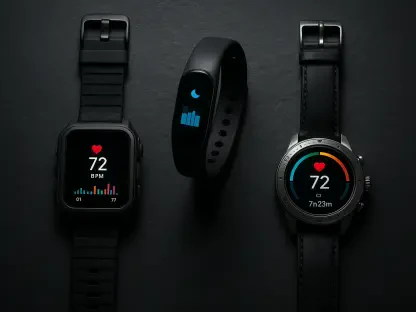

The rapid evolution of wearable technology has reached a point where the constant barrage of digital notifications on our wrists often creates more psychological stress than the physical health benefits the devices were originally intended to provide. For many individuals, the modern fitness tracker has become an unwanted extension of the smartphone, demanding attention with every incoming email or social media alert rather than fostering a true connection with one’s physical well-being. The WHOOP strap represents a significant departure from this intrusive trend, intentionally shifting the focus away from raw athletic performance toward a more comprehensive and holistic view of wellness. By analyzing how the human body responds to various daily stressors in real-time, this specialized device offers a unique perspective for those who are struggling to maintain a healthy balance between demanding professional responsibilities, complex family dynamics, and personal health goals. Instead of merely counting steps or tracking calories, the platform encourages users to look deeper into their physiological data to understand the underlying causes of fatigue and peak performance. This approach transforms health monitoring from a superficial daily quota into a meaningful exploration of how specific lifestyle choices impact the body’s internal recovery systems.
The Psychological Shift toward Invisible Technology
One of the most defining characteristics of the current generation of screenless wearables is the intentional lack of a visual display, which serves as a powerful antidote to the modern attention economy. In an environment where digital distractions are ubiquitous, this design choice provides a significant psychological relief by eliminating the reflexive urge to check text messages or scrolling social media updates on one’s wrist. This “invisibility” allows a person to stay connected to their physiological data through high-precision sensors without being tethered to the constant interruptions that typically accompany traditional smartwatches. By removing the screen, the device fosters a much more mindful relationship with one’s physical state, as data is reviewed during intentional periods of reflection within the mobile app rather than being forced upon the user throughout the day. This creates a separation between the act of living and the act of monitoring, ensuring that the technology supports human experience rather than dominating it. The result is a user experience that prioritizes mental clarity and presence, which are often the first casualties of a hyper-connected lifestyle.
Beyond the clear psychological advantages of removing a screen, this minimalist design allows for a level of aesthetic versatility that traditional tech devices simply cannot match. The hardware is essentially a slim, low-profile sensor housed within a durable and flexible fabric band, making it look and feel more like a lifestyle accessory than a utilitarian piece of electronics. This enables the device to blend seamlessly into any environment, whether the wearer is participating in a high-intensity workout at the gym or attending a formal evening event where a bulky plastic smartwatch would feel entirely out of place. The shift from rigid silicone or metal bands to soft, breathable textiles also addresses the common issue of skin irritation that often leads people to abandon their health trackers after just a few weeks. Because continuous wear is the primary requirement for accurate physiological data, the physical comfort of the fabric band is a critical engineering success. It is lightweight and discreet enough that most users report forgetting they are even wearing the device within a few hours of putting it on, which is essential for gathering the uninterrupted, long-term data needed to build a truly accurate health profile.
Quantifying the Hidden Toll of Daily Existence
The technical implementation of this screenless philosophy supports the goal of constant physiological monitoring by providing a battery life that can reliably last for over two weeks on a single charge. This exceptional longevity is a significant improvement over many competing devices that require daily or near-daily charging, which often leads to gaps in a person’s health history when the device is sitting on a nightstand instead of on the wrist. While the charging process itself involves a unique sensor-integrated battery pack that slides over the strap, the benefit of never having to remove the device during the day or night ensures a complete record of the body’s fluctuations. This continuity of data is particularly important for tracking heart rate variability and sleep cycles, as even a few hours of missing information can skew the algorithms that determine recovery scores. By prioritizing power efficiency and a frictionless charging experience, the technology ensures that the health data remains as consistent as the biological processes it is designed to measure. This reliability builds a level of trust between the user and the device, as the insights provided are based on a truly comprehensive 24/7 dataset.
The true value of the platform is found in its ability to contextualize these technical metrics through the innovative concept of “Strain,” which provides a realistic assessment of physical and mental exertion. Unlike traditional fitness trackers that often only reward formal exercise or intense cardiovascular movement, this system recognizes the significant physical toll exerted by the mundane activities of everyday life. Whether a person is managing the high energy demands of childcare, performing household chores, or navigating a high-pressure work shift, the device calculates the accumulated stress on the nervous system. This offers a much more accurate and validating picture of total energy expenditure, explaining why a user might feel exhausted even on a day when they did not have the time to visit the gym. By broadening the definition of physical effort to include all forms of systemic stress, the platform validates the lived experience of busy individuals and encourages a more compassionate view of one’s own limitations. This shift in perspective helps users understand that recovery is not just a reward for exercise, but a fundamental requirement for handling the complexities of modern existence.
Behavioral Modification through Data Correlation
To help individuals bridge the gap between their daily choices and their resulting physical state, the integrated mobile app utilizes a detailed daily journal to track a wide range of specific habits and behaviors. By systematically recording factors such as caffeine intake, alcohol consumption, dietary timing, and even exposure to natural light, the system identifies direct correlations between these lifestyle decisions and the subsequent recovery scores. This data-driven approach effectively gamifies healthy habit formation by showing the user exactly how a single glass of evening wine or a late-night snack negatively affects their sleep quality and resting heart rate the following morning. When the consequences of a specific action are displayed in clear, physiological terms, making a healthier choice feels like a logical optimization rather than a restrictive chore. Over time, this feedback loop empowers individuals to take control of their own wellness by providing them with the objective evidence needed to justify behavioral changes. The journal acts as a bridge between the raw data collected by the sensors and the subjective experience of the user, turning abstract numbers into actionable insights that can be used to improve daily performance.
Exercising with a device that lacks a screen requires a fundamental shift in mindset, as it prevents the user from viewing real-time metrics such as running pace, exact heart rate zones, or elapsed time. While this might initially seem like a limitation for competitive athletes who rely on split-second data, it offers a surprising and refreshing sense of freedom for the general population. It encourages a practice often referred to as “blind” exercise, where the individual is forced to listen to their body’s internal cues and perceived exertion levels rather than being a slave to the numbers on a display. This builds a deeper level of physical intuition, allowing people to reconnect with how their body actually feels during different levels of intensity. Instead of pushing to hit an arbitrary pace or calorie goal dictated by a screen, the user learns to adjust their effort based on their actual capacity on any given day. This approach reduces the likelihood of overtraining and injury while making the physical activity itself more enjoyable and less of a data-driven obligation. The metrics are still being recorded with high precision for later review, but the experience of the workout remains focused on the movement itself.
Strategic Integration and Evolutionary Outcomes
In the broader context of the health technology market, this specialized tool stands apart from established brands by prioritizing recovery and holistic strain over the more common focus on social badges and real-time activity tracking. While competitors offer comprehensive feature sets including GPS mapping and music control, the focus here remains strictly on the physiological signals that indicate how well a person is managing their total life load. Potential users must consider the ongoing subscription-based membership model, which differentiates the product from one-time purchase hardware and emphasizes the value of the software analysis over the physical strap itself. There are also specific technical nuances to consider, such as the fact that sleep tracking algorithms can occasionally be overly optimistic when a user remains still but awake during the night. Despite these considerations, the platform occupies a unique niche for those who want to tune into their own biological rhythms by tuning out the noise of the digital world. It serves as a sophisticated instrument for self-discovery, providing the data necessary to make informed decisions about rest, intensity, and long-term health management.
The transition toward more discreet health monitoring became a pivotal moment for those seeking to reclaim their digital autonomy while maintaining a high standard of physiological awareness. This shift prioritized the long-term trend of recovery over the short-term dopamine hits associated with notification pings and step-count milestones. Users who successfully integrated these screenless tools found that the absence of a display forced a deeper, more intuitive connection with their own physical limits and needs. By removing the constant visual feedback loop, the technology allowed for a more organic development of self-regulation and awareness. The findings suggested that a more nuanced understanding of stress and recovery led to better sustained health outcomes compared to the gamified approach of earlier wearable generations. It was ultimately determined that the most effective way to leverage these insights involved a combination of consistent journal entries and a willingness to adjust daily schedules based on autonomic nervous system indicators. This era of minimalist tech demonstrated that the most powerful data was often the information that encouraged a person to look inward rather than at a screen.