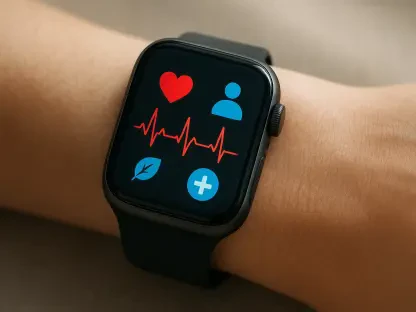

Modern fitness enthusiasts no longer settle for mere step counters, demanding a sophisticated blend of biometric precision and aesthetic appeal that mirrors their multifaceted daily lives. The Garmin vívoactive 5 arrived as a pivotal response to this demand, marking the series’ definitive transition from traditional memory-in-pixel displays to vibrant AMOLED technology. This shift signaled a move away from the purely utilitarian roots of the line toward a more refined, lifestyle-compatible design.
Evolution and Market Position: The Hybrid Shift
Bridging the gap between entry-level trackers and pro-grade multisport watches, the vívoactive 5 occupies a unique middle ground. It sheds the bulk of professional mountaineering models while retaining the core data integrity for which the brand is known. This evolution reflects a broader industry trend where functional versatility is prioritized over niche specialization for the average consumer.
Technical Specifications: Core Functionality
Visual Excellence: Power Management
The high-resolution AMOLED panel transforms the user experience, offering vivid colors that make data interpretation intuitive. Remarkably, this visual upgrade does not sacrifice endurance, as the device maintains an eleven-day battery life. Such longevity challenges the standard daily charging cycles seen in many competing high-end wearables.
Advanced Health Monitoring: Biometrics
The sensor suite provides a granular look at physiological recovery through Body Battery monitoring and sleep scoring. These metrics translate complex biometric data into actionable insights, such as fitness age and reproductive health tracking. By contextualizing heart rate, the watch functions as a digital health consultant rather than a simple data logger.
Recent Market Developments: Value Accessibility
Recent pricing shifts saw the device discounted by thirty-five percent on major platforms, repositioning it as a value premium entry. At approximately $195, it disrupts the market by offering high-end features at a mid-range price point. This strategy allows robust models to maintain relevance against newer, more expensive competitors.
Real-World Athletic: Specialized Applications
Inclusive engineering sets this model apart through its dedicated wheelchair mode and adapted handcycle workouts. This focus on accessibility ensures that fitness tracking is not limited to able-bodied athletes, providing professional-grade data for a wider demographic. Such features highlight a shift toward universal design in wearable technology.
Technical Constraints: Market Obstacles
However, the device is confined by hardware choices that favor weight reduction over ruggedness. Significant discounts are frequently restricted to specific colorways like Ivory, which can alienate users seeking a more traditional aesthetic. Software updates attempt to bridge these gaps, but the physical constraints of a mid-range chassis remain a permanent factor.
Future Outlook: Mid-Range Technology
The trajectory of this series suggests a deeper integration of AI-driven health analytics and cross-platform compatibility. Enhanced biometric accuracy will likely play a role in preventative healthcare, moving wearables from reactive monitors to proactive life-management tools. These developments will eventually democratize medical-grade insights for the general public.
Final Assessment: Balancing Performance and Value
The vívoactive 5 successfully balanced technical sophistication with accessibility, proving that high-performance tracking did not require a thousand-dollar investment. It offered a roadmap for how legacy brands could adapt to changing consumer expectations regarding display quality and inclusive features. Ultimately, this device established a new benchmark for what users expected from a versatile, health-centric wearable.