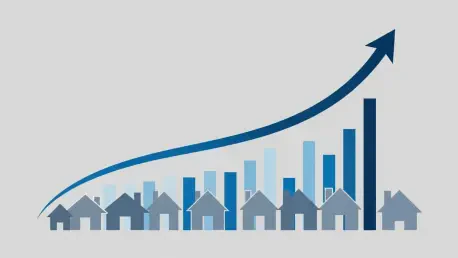

The United States homeowners insurance market is navigating a period of profound contradiction, where a looming affordability crisis for the American public coexists with the first significant signs of financial stabilization for the insurance industry itself. A comprehensive analysis from the Insurance Information Institute (Triple-I) reveals this complex dynamic, painting a picture of a sector in a delicate state of transition. While consumers are contending with relentless premium hikes and more restrictive coverage, insurers are beginning to emerge from a challenging period of substantial underwriting losses. This slow but steady recovery, driven by aggressive rate adjustments and a slight moderation in catastrophic events, signals a potential return to a more predictable market. However, the path to equilibrium is fraught with challenges, as the underlying forces of economic inflation, soaring rebuilding costs, and persistent climate-related disasters continue to exert immense pressure on both sides of the insurance equation, leaving the future of affordable homeownership in a precarious balance.
A Deepening Burden for American Households
The financial pressure on homeowners has become a primary source of economic anxiety across the nation as the cost of insuring a home continues its steep upward trajectory. This is not merely a matter of budgetary adjustments; for many, it represents a significant threat to their financial stability. Insurers, in a bid to mitigate their own substantial risk exposure, have been implementing sharp premium increases while simultaneously tightening the terms of coverage. This has resulted in policies that are not only more expensive but often provide less comprehensive protection, shifting a greater portion of the risk back onto the policyholder. The tangible impact of this trend was quantified in a 2025 Nationwide survey, which found that an alarming 43% of homeowners now identify the escalating cost of their insurance as their foremost financial worry. This sentiment underscores a growing crisis where a fundamental component of homeownership is becoming a significant financial hardship for a large segment of the population.
In response to this mounting financial strain, consumers are becoming increasingly proactive in their search for more tenable insurance solutions. This has led to a noticeable shift in consumer behavior, characterized by a significant uptick in “rate shopping,” the practice of actively seeking new quotes from different carriers. Data from TransUnion confirms this trend, showing that the number of consumers shopping for new insurance policies increased by approximately 5% year-over-year during the first quarter of 2025. This surge indicates widespread dissatisfaction with current premium levels and a desperate search for more affordable alternatives. While this behavior can empower consumers to find better deals, it also reflects a volatile market where brand loyalty is eroding in the face of economic necessity. This dynamic creates a challenging environment for insurers, who must balance the need for rate adequacy with the risk of losing customers to competitors in an increasingly price-sensitive market.
Insurers Chart a Course Toward Stability
While policyholders navigate a difficult landscape, the financial outlook for the insurance industry is showing clear signs of improvement, suggesting that the corrective actions taken over the past few years are beginning to yield positive results. A crucial indicator of this stabilization is the industry’s underwriting performance. During the second quarter of 2025, the direct incurred loss ratio—a key metric that measures the losses paid out relative to the premiums earned—fell to 58.9%. This figure not only represents the strongest second-quarter result for the homeowners insurance sector in over fifteen years but also marks a dramatic improvement of roughly 22 percentage points compared to the same period in 2024. This significant turnaround demonstrates that insurers are making substantial progress in aligning their premium income with their claims payouts, a critical step toward long-term financial health and market stability.
This positive momentum is projected to continue, with industry forecasts suggesting a sustained recovery. The Triple-I anticipates that the U.S. homeowners insurance segment will achieve double-digit growth in net written premiums, with an expected increase of 11.8% in 2025. Although this rate is slightly lower than in the previous two years, it remains robust and reflects ongoing adjustments to inflation and loss patterns. The ultimate goal of profitability appears to be on the horizon, with projections indicating the segment could return to overall profitability in 2026. However, the journey is not yet complete. The net combined ratio for 2025 is forecast to be 107.2. While this represents a significant 7.5-point improvement from 2024, any ratio above 100 signifies an underwriting loss, meaning insurers are still paying out more in claims and expenses than they are collecting in premiums. This reality underscores why premium pressures on consumers are likely to persist in the short term.
The Twin Pressures of Cost and Climate
A primary catalyst for the escalating premiums is the extraordinary rise in the cost of rebuilding and repairing homes following a loss. Analysis reveals that structural replacement costs have surged by nearly 30% over the past five years alone, a rate that far outpaces general inflation. This increase is the result of a confluence of factors, including persistent supply chain disruptions that have made materials more scarce and expensive, elevated prices for essential commodities like lumber and roofing supplies, and widespread labor shortages within the construction industry. A 2025 report quantified this impact, noting that total replacement costs reached an astounding $31 billion in the previous year. Furthermore, newly implemented tariffs are expected to exert additional upward pressure on both claim payouts and, consequently, the premiums that homeowners must pay, creating a cycle of rising costs that continues to challenge the affordability of coverage.
Compounding the issue of rebuilding costs is the increasing frequency and severity of climate-related catastrophic events, which remain a dominant factor shaping the market’s performance. While the 2025 Atlantic hurricane season was noteworthy for being the first since 2015 without a major hurricane making U.S. landfall, this provided little financial respite. Losses from other weather perils, particularly severe convective storms, have remained exceptionally high. These events, which include destructive thunderstorms, hail, and tornadoes, have become a primary driver of insured losses. In 2025, 18 separate billion-dollar weather events occurred in the U.S., with all but one linked to severe convective storms that collectively caused over $61 billion in damage. This marked the third consecutive year that losses from such storms surpassed the $50 billion threshold, establishing a new and alarmingly expensive norm for the insurance industry to navigate.
A Future Forged by Solvency and Innovation
The long-term health of the homeowners insurance market ultimately depended on the dual pillars of insurer financial strength and the strategic adoption of advanced technology. It became clear that a financially sound insurance sector was essential for the public good. Insurers had to remain profitable to fulfill their core promise: paying claims promptly and fully in the wake of disasters. This financial solvency was also critical for their ability to continue offering policies, especially in higher-risk regions, and to invest in the sophisticated risk-reduction tools needed to mitigate future losses. The consequences of weakened profitability were severe, leading to reduced coverage offerings, market exits by major carriers, and further premium hikes for consumers. Technology, in turn, presented itself as a crucial tool for navigating this complex risk landscape. Advances in artificial intelligence, predictive analytics, high-resolution aerial imagery, and smart home sensors empowered insurers to enhance their risk management capabilities in ways previously unimaginable, reinforcing market stability and helping homeowners recover faster when disasters struck.