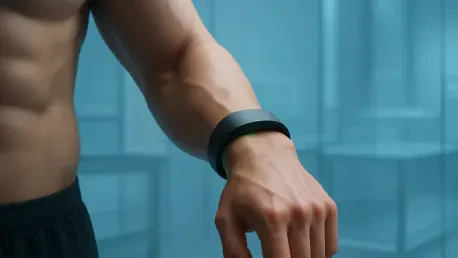

Evidence from recent public appearances suggests that the finalized hardware has been in circulation among select testers for at least two months. This development signals a profound pivot for Fitbit as it moves away from the smartwatch aesthetic toward a purely data-centric fitness tracker. By stripping away the distracting screen, the company aims to capture a market segment that values high-fidelity biometric monitoring without the notification fatigue associated with modern wrist-worn computers. The device appears to prioritize a discreet profile, designed to be worn alongside a traditional watch or hidden under a shirt cuff, mirroring the niche that Whoop has dominated for years. Industry observers have noted that this design choice allows for more aggressive sensor placement and improved skin contact, which is essential for the medical-grade accuracy consumers now demand. As the line between consumer wearables and clinical diagnostic tools continues to blur, this screenless approach represents a calculated risk to reclaim the enthusiast market through precision rather than multimedia features.
The Architecture of Discreet Monitoring
Design Philosophy: Minimalism and Battery Life
Removing the display is not merely a cost-cutting measure; it serves as a functional enhancement for athletes who require focus during high-intensity training. Without the power-hungry demands of a high-resolution AMOLED panel, Fitbit can redirect energy resources toward a significantly higher sampling rate for its photoplethysmography sensors. This allows for a much more granular view of heart rate variability and blood oxygen saturation during sleep, which are critical metrics for determining recovery scores. Furthermore, the absence of glass and sensitive touch layers makes the chassis considerably more durable and resistant to impact, allowing users to engage in contact sports or extreme environments without fear of damaging an expensive screen. The sleek, pebble-like design ensures that the device remains flush against the wrist, reducing the “drag” or catching that often occurs with bulkier smartwatches. This ergonomics-first philosophy suggests that the hardware is built for continuous, 24/7 wearability rather than intermittent interaction.
Biometric Precision: Sensor Technology and Edge Computing
The internal architecture of the new band utilizes a multi-path optical sensor array that compensates for motion artifacts more effectively than previous generations. By leveraging three distinct wavelengths of light, the device can penetrate deeper into the tissue to provide more accurate readings for individuals with varied skin tones. This technological leap is paired with an upgraded electrodermal activity sensor that tracks stress levels by measuring microscopic changes in sweat gland activity throughout the day. These sensors generate raw data, which is now processed locally on a low-power neural processing unit before being synced to the cloud. This edge-computing capability ensures that the most critical health alerts are delivered with minimal latency, even when the paired smartphone is not in the immediate vicinity. By focusing on these hidden metrics, the screenless band provides a comprehensive physiological profile that rivals the professional-grade equipment used in sports science laboratories, positioning it as a tool for longevity.
Market Strategy: Actionable Recovery and Future Steps
The emergence of this screenless tracker shifted the conversation from mere connectivity to the quality of physiological insight. Users who prioritized long-term health trends over immediate notifications found that the reduced footprint encouraged more consistent wear, leading to a more complete data set. For those looking to optimize their performance, the move toward specialized sensors provided a clearer picture of internal strain and recovery. It became evident that success in this category depended on the transparency of the data and the ability of the software to provide meaningful, behavior-changing advice. Decision-makers in the fitness space began to recognize that the most valuable wearable was the one that required the least amount of conscious attention. To stay ahead, individuals evaluated their primary goals—whether they sought a digital assistant or a silent health guardian—before committing to a specific ecosystem. These steps allowed for an intentional relationship with technology that supported personal growth without the constant noise of the digital world.