
The silent, invisible threat of carbon monoxide has once again been thrust into the public consciousness following a tragic incident in Marion County that resulted in the deaths of two adults and two children, forcing a renewed and urgent examination of detector regulations, state building codes, and the often-overlooked implications for home insurance. While investigators await official confirmation from the medical examiner, the suspected cause has sent a clear and sobering message to homeowners, landlords, and homeowners’ associations across Florida. This event serves not just as a heartbreaking story but as a critical case study in risk management, highlighting the profound importance of compliance, diligent documentation, and proactive safety education. The repercussions are expected to ripple through regulatory bodies and insurance underwriting departments, potentially reshaping the standards of care expected from property owners and managers. For residents, it is a stark reminder that simple, inexpensive devices and basic safety protocols are the front line of defense against a danger that gives no warning before it strikes, making prevention the only reliable strategy.
1. What Investigators Report So Far
Deputies responding to a call in Marion County discovered the bodies of two adults and two children inside a residence, with initial assessments pointing toward carbon monoxide poisoning as the likely cause of death and no signs of foul play being reported. While the official determination is pending from the medical examiner’s office, the circumstances have already raised significant questions about prevention and compliance within the community. Carbon monoxide is a colorless, odorless gas produced by the incomplete combustion of fuels, making it impossible to detect without a specialized alarm. Common sources within a home include vehicles left idling in attached garages, portable generators, gas-powered heaters, stoves, and fireplaces. The risk is compounded by poor ventilation, which allows the gas to accumulate to lethal concentrations. The Marion County tragedy underscores the particular dangers present during Florida’s winter months and storm seasons, when the use of generators and alternative heating sources increases dramatically, making the role of carbon monoxide detectors more critical than ever as a life-saving early warning system.
High-profile losses of this nature frequently act as a catalyst for comprehensive reviews by both building code officials and insurance carriers, prompting a reevaluation of existing standards and enforcement protocols. Even before the medical examiner’s final report is released, the Marion County carbon monoxide incident is poised to intensify scrutiny on detector compliance in all residential properties, especially those equipped with fuel-burning appliances or attached garages. It is anticipated that state and local leaders may launch public awareness campaigns, urging homeowners to verify the operational status of their alarms. Concurrently, some insurance carriers could move to update their underwriting questionnaires and property inspection checklists to more rigorously document the presence, placement, and regular testing of these vital safety devices. Such tragedies often lead to a shift in the industry’s risk assessment models, creating a more stringent environment where documented proof of safety measures becomes a key factor in determining insurability and premiums for property owners throughout the state.
2. Florida Building Codes and Legal Requirements
The framework for carbon monoxide safety in Florida is primarily established by the state’s building codes, which mandate the installation of detectors in all new residential construction containing fuel-burning appliances or featuring an attached garage. However, these regulations can vary significantly depending on when a home was built, and local jurisdictions possess the authority to enact more stringent ordinances, including retrofit requirements for older properties. It is incumbent upon homeowners to ascertain which version of the Florida building codes their residence was constructed under and to verify any additional local rules that may apply. The tragic events in Marion County serve as a powerful argument for applying the most protective standard available, regardless of whether it is explicitly mandated by law. Proactively installing or upgrading to modern detectors is a sensible and responsible measure that transcends mere compliance, reflecting a commitment to safeguarding occupants from a preventable hazard. This approach not only enhances safety but also demonstrates due diligence, a critical factor in liability assessments.
The responsibility for ensuring functional carbon monoxide alarms is often shared, with specific duties falling to landlords, tenants, and homeowners’ associations. In rental situations, landlords are commonly responsible for providing working alarms at the beginning of a tenancy and for performing necessary maintenance as outlined in the lease agreement and local codes. Tenants, in turn, are typically obligated to refrain from disabling the devices and to promptly report any malfunctions. For properties within planned communities such as condominiums and townhomes, HOAs may establish and enforce safety rules that exceed state or local minimums. In the wake of the Marion County deaths, a heightened emphasis on formalizing these responsibilities is expected. This will likely translate into more rigorous requirements for written safety policies, documented unit inspections at tenant turnover, and verifiable proof that detectors are not only installed correctly but are also being tested on a regular basis, creating a clearer chain of accountability for all parties involved.
3. Insurance Impact for Florida Homeowners and Landlords
The Florida insurance market, already known for its rigorous risk assessment, is likely to become even more discerning in the aftermath of this high-profile incident. It is plausible that some carriers will begin to integrate more specific questions into their underwriting processes regarding the presence and maintenance of carbon monoxide detectors, the existence of attached garages, and the use of portable generators or gas appliances. Insurers may start requesting photographic evidence or signed inspection confirmations to verify that these safety measures are in place and may offer small premium credits as an incentive for homeowners who can document their compliance. The Marion County case has the potential to elevate the perceived risk associated with certain types of properties, particularly rentals, short-term vacation listings, and multifamily buildings with shared garages or complex ventilation systems. As a result, property owners may find that their ability to secure or renew coverage at favorable rates will increasingly depend on their ability to demonstrate a proactive approach to mitigating this specific peril.
Should a carbon monoxide-related loss occur, the absence or malfunction of a required detector can introduce significant complexities into the claims process. For property owners who have failed to meet their obligations under building codes or lease agreements, liability exposure can increase substantially. This heightened risk extends to HOAs and property managers if it is determined that factors within their control, such as inadequate ventilation in common areas or shared garages, contributed to the incident. The tragedy in Marion County will almost certainly compel a greater focus on meticulous record-keeping across the board. Insurance adjusters and legal professionals will likely place more weight on the existence of comprehensive maintenance logs for fuel-burning appliances, documented tenant safety notices, and evidence of swift action to correct any reported ventilation issues. In this environment, the ability to produce clear and consistent documentation can become a critical factor in determining liability and ensuring a smoother resolution of any subsequent claims.
4. Steps Owners Can Take This Week
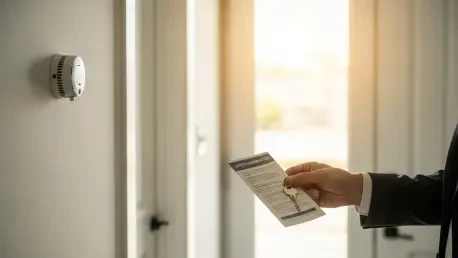
Immediate action is the most prudent response to the lessons learned from this incident. Every homeowner and resident should test their carbon monoxide detectors today to ensure they are functioning correctly. If no alarms are currently installed, devices should be added on each level of the home, with particular attention to areas near sleeping quarters. It is also a critical time to reinforce essential safety behaviors, such as never running a vehicle in an attached garage, even for a short period with the door open, as fumes can quickly seep into living spaces. Portable generators, a common source of carbon monoxide poisoning, must always be operated outdoors and positioned well away from windows, doors, and vents to prevent exhaust from entering the home. The Marion County incident serves as a grim confirmation that early warnings from alarms, combined with sound ventilation practices, are the most effective defenses against the silent and rapid harm caused by this gas.
Beyond immediate safety checks, property owners should undertake a thorough review of their compliance status and bolster their documentation practices. This involves cross-referencing the property’s permit history, appliance inventory, and any applicable HOA or lease rules with the most current Florida building codes and local ordinances. In situations where regulations are ambiguous or standards conflict, the most stringent requirement should be adopted as the guiding principle. Creating a simple, one-page log to track the dates of monthly detector tests, battery changes, and scheduled unit replacements is an invaluable tool. In the context of the Marion County deaths, maintaining such clean and accessible documentation can significantly reduce a homeowner’s insurance risk profile and expedite the handling of any future claims by providing clear evidence of responsible stewardship and a commitment to maintaining a safe living environment.
A Sobering Reminder on Preventable Dangers
The suspected carbon monoxide-related deaths of four individuals in Marion County served as a stark and sobering warning about a preventable danger that lurks in many homes. While the final conclusions from investigators were awaited, the incident illuminated a clear and practical path forward for property owners across the state. The primary lesson was the undeniable importance of verifying that functional carbon monoxide detectors were installed on every level of a residence, especially near bedrooms. Adherence to Florida’s building codes, or even stricter local ordinances, was reinforced as a baseline standard for safety, not an optional guideline. For landlords and homeowners’ associations, the tragedy underscored the necessity of documenting all safety policies, tenant communications, and routine maintenance checks. In the investment and insurance sectors, it became evident that underwriters would likely ask more pointed questions about alarms, garages, and generators. Ultimately, the Marion County case drove home the reality that simple, fast actions—testing a detector, creating a maintenance log, reminding a tenant about safety protocols—were not just procedural formalities. The payoff was tangible: fewer insurance claims, lower liability exposure, and, most importantly, safer homes throughout Florida.