
The once-rudimentary world of sleep tracking has transformed into a sophisticated ecosystem where biometric data and behavioral psychology converge to offer real-time insights into human recovery. The landscape of sleep technology has undergone a fundamental shift, moving away from the passive collection of statistics toward a model of proactive behavioral intervention. By the current year, the industry has matured beyond simply telling users how they slept; it now focuses on the why and how to improve, powered by sophisticated artificial intelligence and integrated health ecosystems. This transition marks a pivotal moment where hardware becomes a secondary gateway to Health-as-a-Service, a subscription-based approach that offers continuous, personalized coaching. This article examines the latest innovations, the efficacy of diverse hardware form factors, and the psychological nuances of living with 24/7 physiological surveillance.
The transition to active guidance represents a maturation of both consumer expectations and sensor capabilities. In previous years, a device might simply record that a user woke up three times during the night, leaving the individual to guess at the cause. Modern systems instead analyze environmental factors, preceding daily activity levels, and long-term physiological trends to provide a coherent narrative. This shift toward interpretive health management means that the value of a tracker is no longer found in its ability to count minutes of rest but in its capacity to act as a digital health consultant. By integrating multiple streams of data, these tools aim to solve problems before they manifest as chronic fatigue or burnout.
Furthermore, the emergence of Health-as-a-Service has redefined the relationship between the consumer and the manufacturer. When a user purchases a top-tier tracker today, they are essentially entering a long-term partnership with a software platform that evolves alongside their biological needs. Subscriptions have become the norm because they fund the constant refinement of the artificial intelligence models required to interpret complex biometrics. While some consumers may find the ongoing cost a point of contention, the result is a product that theoretically grows more accurate and useful the longer it is worn, creating a personalized baseline that distinguishes a normal night of restless sleep from a potential health concern.
Analyzing the 2026 Technological Landscape and Consumer Choices
From Wristwear to Smart Surfaces: The Diversification of Sleep Hardware
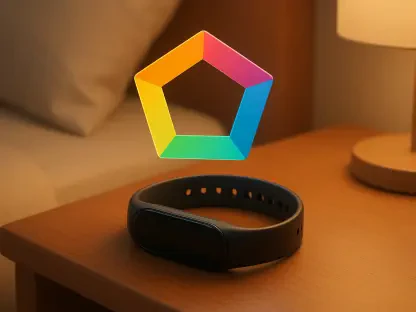
The market is no longer dominated by a single style of wearable, as manufacturers have expanded into specialized form factors that cater to different comfort levels and lifestyle needs. Leading the charge is the Oura Ring 4, which represents the gold standard for unobtrusive, medical-grade sensing through its multi-wavelength photoplethysmography system. This ring allows for deep physiological monitoring without the bulk of a traditional watch, making it a favorite for those who value aesthetics as much as data. By utilizing an eighteen-path sensor array, it tracks blood oxygen and heart rate with a level of precision that was once reserved for clinical environments, all while fitting comfortably on a single finger.
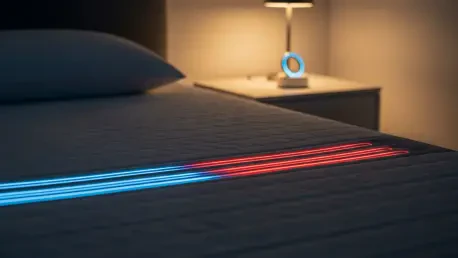
Conversely, the Eight Sleep Pod 5 has redefined the contactless category, using an integrated mattress cover to regulate body temperature in real-time while monitoring respiratory rates. This shift from on-body to on-bed sensing addresses the primary complaint of sleep tracking: the discomfort of wearing a device while trying to rest. The system uses a network of sensors embedded in the fabric to detect heart rate variability and movement, adjusting the temperature of the bed to ensure the user stays within their optimal thermal window. This active environmental control turns the bed itself into a piece of medical-grade hardware that assists in the sleep process rather than just observing it.
We also see the rise of screenless devices like the Whoop MG, which intentionally removes visual distractions to focus entirely on the relationship between daily physical strain and nocturnal recovery. By stripping away the notifications and clock faces associated with traditional smartwatches, this device encourages a more mindful connection with one’s body. It operates on the principle that the recovery required at night is directly proportional to the strain accumulated during the day. This philosophy appeals strongly to athletes and high-performers who want to know exactly how much rest is necessary to maintain peak performance without being tethered to another digital screen before bedtime.
Validating Accuracy Through Real-World Stress Testing and Metrics
Determining the efficacy of these tools now requires rigorous, long-term testing protocols that move beyond the novelty phase to capture data during travel, high-stress work weeks, and irregular schedules. While total sleep time remains the most reliable metric for consumer-grade sensors, the industry still struggles with the high-fidelity classification of sleep stages, such as Deep vs. REM. Testing across various conditions has shown that while these devices are excellent at identifying when a person is asleep, they often fall short of clinical polysomnography when it comes to pinpointing the exact transition between different stages of the sleep cycle.
Expert analysis suggests that while heart rate variability and resting heart rate are highly accurate across top-tier devices like the Apple Watch Series 11 or Google Pixel Watch 4, proprietary sleep scores should be viewed as general snapshots rather than absolute clinical truths. These scores are essentially black-box algorithms that weigh different variables based on the manufacturer’s specific philosophy. For example, one device might prioritize consistency in wake-up times, while another might place more emphasis on the duration of restorative deep sleep. Users must therefore understand the specific logic of their chosen ecosystem to make the best use of the data provided.
The reliability of these metrics is also contingent upon the consistent use of the hardware, as a single night of data is rarely representative of a person’s overall health. Long-term trends are far more valuable than nightly fluctuations, particularly when tracking heart rate variability, which can be influenced by everything from a late-night meal to a slight change in room humidity. Top-tier devices now offer trend analysis that highlights these deviations, helping users identify which lifestyle habits are truly detrimental to their rest. This focus on longitudinal data helps mitigate the impact of the inherent limitations in stage-detection accuracy.
The Double-Edged Sword of DatOrthosomnia and Psychological Impact
As tracking technology becomes more prescriptive, a significant challenge has emerged in the form of orthosomnia—a clinical preoccupation with achieving perfect sleep data that ironically causes the anxiety it was meant to solve. The current tech suite introduces a tension between helpful artificial intelligence coaching and the risk of technology becoming too demanding. When a user wakes up feeling refreshed but is told by their device that they had a poor night of sleep, it can create a cognitive dissonance that negatively impacts their mood for the rest of the day. This phenomenon suggests that the data itself can become a stressor.
Industry experts warn that when a device’s readiness score dictates a user’s daily activity level, the tool may be overstepping its utility. There is a delicate balance between using data as a guide and allowing it to override internal bodily cues. The most advanced systems now include features designed to mitigate this psychological pressure, such as “low-data” modes or notifications that prioritize positive reinforcement over critical feedback. The goal is to ensure that the tracker remains a supportive partner rather than a digital taskmaster that creates a new source of performance anxiety in a space reserved for rest.
This highlights a shift in industry philosophy, where the best devices are now those that encourage users to eventually rely on their own internal cues rather than a smartphone notification. Some manufacturers have even begun to implement psychological screening tools within their apps to detect signs of health-related anxiety. By monitoring how often a user checks their data and how they respond to poor scores, the software can offer “digital sabbaticals” or suggest that the user ignore the metrics for a few days. This self-correcting approach acknowledges that the ultimate sign of a successful sleep tracker is a user who no longer needs to obsess over it.
Specialized Ecosystems and the Frontier of Neuro-Monitoring
Beyond general fitness trackers, the market has seen the rise of niche innovations such as EEG-capable headbands like the Muse S Athena, which directly monitors brain activity to facilitate sleep onset. Unlike wrist-worn sensors that infer sleep states from heart rate and movement, these headbands measure the actual electrical signals produced by the brain. This allows for a much more precise intervention, such as using responsive soundscapes to guide the brain from a state of wakefulness into a deep slumber. These tools are particularly useful for individuals who struggle with the initial phase of falling asleep due to a racing mind.
At the same time, regional and brand-specific ecosystems have deepened their integration to provide a more holistic view of health. Garmin continues to lead for outdoor enthusiasts by linking sleep recovery to high-altitude performance metrics, allowing hikers and climbers to understand how their bodies are acclimating to challenging environments. Meanwhile, Withings focuses on medical-grade detection of sleep apnea through under-mattress mats that monitor breathing patterns without the need for wearable sensors. These specialized tools offer a level of depth that challenges the one-size-fits-all approach, providing specific solutions for those with chronic sleep disorders or elite performance goals.
The integration of these specialized devices into broader smart home ecosystems further enhances their utility. For example, a Withings mat can communicate with a smart thermostat to adjust the room temperature if it detects that the user is restless, or a Garmin watch can suggest a lower-intensity workout for the following day based on a poor recovery score. This interconnectedness allows for a seamless flow of data that translates physiological monitoring into environmental changes. As these specialized systems become more accessible, the distinction between consumer gadgets and medical diagnostic tools continues to blur, offering users a level of insight once only available in a laboratory.
Optimizing Your Rest: Practical Strategies for the Modern User
To derive the most value from current sleep technology, users must shift their focus from nightly fluctuations to long-term trends. The most effective strategy involves using the tracker as a tool for controlled experimentation—observing how variables like room temperature, late-night meals, or alcohol consumption impact recovery over a fourteen-day period. This approach treats the individual’s lifestyle as a series of data points that can be adjusted to find the optimal configuration for rest. Instead of reacting to a single bad score, the user should look for patterns that emerge over weeks or months, allowing for a more rational and less emotional interpretation of the data.
It is recommended to use smart alarms and consistency reminders to stabilize the circadian rhythm, rather than obsessing over the exact number of minutes spent in Deep sleep. Consistency in bedtimes and wake times is often cited by sleep researchers as more impactful for long-term health than the specific duration of any single night. Modern trackers excel at identifying the ideal window for waking up, using movement data to trigger an alarm during a light sleep phase to prevent grogginess. By leaning into these functional features, users can improve their daily well-being without becoming bogged down in the minutiae of stage classification that may not even be entirely accurate.
Most importantly, if the data begins to cause stress, the best practice is to take a digital sabbatical from tracking to reset one’s psychological relationship with rest. The technology should serve as a safety net that catches systemic issues, not a constant monitor that requires minute-by-minute attention. Effective optimization means knowing when to trust the device and when to trust the body. If a person feels energetic and capable, that subjective feeling should always take precedence over a low readiness score on a smartphone screen. The ultimate goal of any tracking protocol is to foster a healthy, intuitive understanding of one’s own recovery needs.
Reclaiming the Night: The Long-Term Vision for Human-Centric Sleep Tech
The state of sleep tracking in the present day reflected a sophisticated balance between advanced biometrics and behavioral psychology. While the hardware reached unprecedented levels of comfort and accuracy, the true innovation lay in how artificial intelligence translated that data into actionable, life-improving habits. The industry successfully moved beyond the era of raw data, providing users with a narrative that explained the relationship between their daily choices and their nocturnal recovery. This shift toward interpretive health management allowed individuals to take a more active role in their own well-being, transforming a passive process into a deliberate practice of self-care and optimization.
As the technology moved forward, the most successful tools were those that acted as a silent partner, providing a safety net of health insights without intruding on the natural, intuitive process of human rest. These systems focused on enhancing the user’s awareness rather than replacing it with an algorithmic mandate. By emphasizing long-term trends and environmental integration, the technology became a seamless part of the home rather than a disruptive wearable. The shift toward specialized ecosystems also meant that users could find solutions tailored to their specific needs, whether they were elite athletes or individuals managing chronic health conditions, ensuring that the benefits of tracking were accessible to all.
Ultimately, the goal of these tools was not to keep people tethered to their screens, but to empower them to wake up feeling capable, refreshed, and in tune with their own bodies. The maturation of the market proved that when technology is designed with a human-centric approach, it can facilitate a deeper connection to our natural biological rhythms. The data served as a bridge between the complexities of modern life and the fundamental human need for restorative sleep. By reclaiming the night through a combination of smart hardware and thoughtful psychology, these innovations provided a foundation for a healthier, more rested society that valued recovery as much as productivity.