
When the referee’s whistle finally echoes through a silent living room at two in the morning, the sudden surge of adrenaline masking a deep physical exhaustion signals the start of a quiet internal biological crisis. While victory on the pitch provides a psychological high, the physical reality for the fan is far more sobering. For over 1,000 English supporters tracking their vitals during the World Cup, the pursuit of glory resulted in a tangible “sports hangover” that reached well beyond mere tiredness, affecting the very rhythm of their hearts.
The immediate emotional payoff of a last-minute goal often obscures the physiological debt being accrued toward the body. As the internal systems remain in a state of hyper-arousal long after the television is turned off, the heart struggles to transition from excitement to rest. This delay creates a measurable strain that highlights how the boundaries between athlete and spectator are increasingly blurred on a biological level.
The Rise of the Quantified Fan in the Global Arena
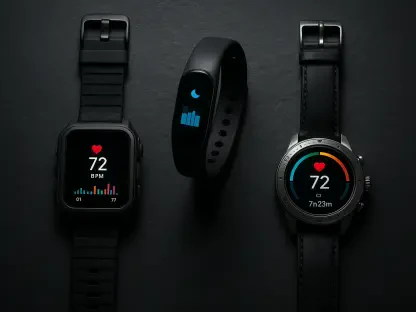
Understanding the impact of high-stakes sports on the human body has moved from anecdotal evidence to hard science through the emergence of health-tech tools. This shift matters because sports fandom is no longer a passive activity; it is a physiological event that mirrors the stress of the athletes themselves. By analyzing data through tools like smart rings, researchers can now quantify how scheduling shifts and high-tension matches disrupt public health at a population level.
The data provides a lens into how modern entertainment cycles conflict with natural circadian rhythms. Global tournaments turn local events into case studies on sleep deprivation and autonomic nervous system stress. This quantification allows for a better understanding of how collective cultural moments influence individual health outcomes across entire demographics, turning a game into a physiological case study.
Sleep Under Siege: Analyzing the 38-Minute National Deficit
The most immediate toll of late-night viewing is a significant contraction of the sleep window, with participants losing an average of 38 minutes of rest compared to their baseline. This disruption was not an isolated incident but a widespread phenomenon, as nearly two-thirds of the monitored cohort recorded shorter-than-normal sleep durations. The average sleep time dipped to just six hours and thirty-eight minutes across the group.
Roughly 11% of fans attempted to mitigate the cost by watching from under the covers; however, this strategy yielded poor results. While these fans remained stationary for an extra 90 minutes, they still suffered a 35-minute reduction in actual sleep. This proved that physical rest and psychological engagement are often at odds, as stationary behavior does not equate to restorative rest when the mind is tethered to a high-stakes competition.
Cardiovascular Consequences: HRV Dips and Recovery Erosion
Data reveals that the cost of fandom extends deep into the cardiovascular system, specifically through the lens of Heart Rate Variability. On average, fans experienced a 5.6-millisecond drop in this metric, representing a 9% decrease in the body’s ability to recover from stress. These metrics indicate that the excitement of the game keeps the sympathetic nervous system in a state of high alert, preventing the body from entering deep, restorative states.
Alongside the drop in variability, resting heart rates across the group trended upward during and after the match. The result was a general four-point decline in sleep quality scores, marking a measurable erosion of physiological resilience. When the heart failed to return to a baseline state quickly, the following day was often characterized by a lack of focus and increased irritability.
Navigating the Sports Hangover: Frameworks for Physiological Rebound
Supporters who utilized sleep hygiene techniques such as maintaining a cool room temperature and avoiding blue light immediately after the final whistle saw faster recovery. Prioritizing a recovery-first mindset in the two days following a major match helped normalize the body within a 48-hour window. These strategies ensured that heart rate variability and resting heart rates bounced back, preventing permanent health deficits.
Moving forward, fans balanced their passion with specific physiological rebound protocols to manage the sleep cost of tournaments. They recognized that the burden was temporary and applied deliberate rest cycles to mitigate the impact. By treating fandom as a physical performance, spectators successfully maintained their health while supporting their teams during grueling global schedules.