
The Growing Crisis of Inadequate Coverage in the Heritage Sector
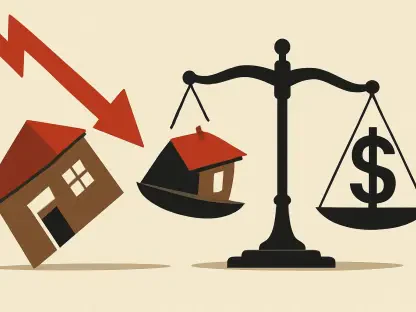
The preservation of a centuries-old thatched cottage represents more than a financial investment; it is a stewardship of history that remains increasingly threatened by an invisible economic gap. For decades, the primary concern for owners of these properties was the physical risk of fire. However, the contemporary strain on the market is now driven by a profound disconnect between the market value of a home and its actual rebuild cost. This phenomenon, known as the rebuild gap, has created a situation where a property purchased for a moderate sum might require twice that amount to be reconstructed following a total loss. This gap is not merely a statistical anomaly but a systemic pressure point forcing insurance brokers and underwriters to reset their expectations and policy requirements to prevent financial catastrophe for homeowners.
The Evolution of Heritage Risk and Valuation Standards
Historically, the heritage property market was defined by the perceived fragility of its materials. For a long period, owners and underwriters focused almost exclusively on fire prevention and chimney maintenance. While these remain critical, the background of the current crisis is rooted in a systemic misunderstanding of market value versus rebuild cost. In the past, inflation was stable and the supply of specialist materials was predictable, allowing for a more passive approach to underwriting. However, recent global shifts have dismantled this stability. Understanding this historical context is vital, as it explains why many long-term homeowners now find themselves dangerously underinsured; they are relying on valuations that have not kept pace with the explosive rise in specialist construction costs.
Navigating the Complex Realities of Historical Preservation
The Fundamental Disconnect Between Market Price and Reconstruction
One of the most persistent themes in the heritage sector is the misunderstanding of property valuation. Many homeowners mistakenly correlate the market value of their property—what it would sell for on the open market—with the insurance sum insured. In the specialist sector, these two figures have almost no relationship. A cottage bought for $600,000 may carry a rebuild cost exceeding $1.2 million. This is due to the mandatory use of heritage materials, the requirement for specialist labor, and the necessity of adhering to strict conservation guidelines. Insurers are currently correcting for years of inadequate coverage levels, moving away from homeowner estimates toward rigorous, professional valuations to close this dangerous gap between reality and expectation.
Severity Versus Frequency: The High Stakes of Total Loss
A critical distinction in this market is the nature of the risk, which is characterized by severity rather than frequency. Unlike standard housing, where claims are often frequent but small, the thatched market is defined by the potential for absolute destruction. When a fire occurs in a thatched property, the speed and intensity of the combustion often result in a total loss. This high-severity profile means that even though claims may happen less frequently, the financial impact of a single incident can reach millions of dollars. Consequently, these properties are treated as a distinct risk class that cannot be adequately priced using mass-market or automated aggregator models, necessitating a manual, expert-led underwriting process.
Legal Obligations and the Scarcity of Specialist Craftsmanship
Approximately 80% of thatched homes carry a listed status, meaning they are protected by law for their historical or architectural significance. This status introduces a layer of complexity and expense that standard homeowners rarely encounter. Rebuilding a listed property requires the approval of conservation officers and the use of historically accurate materials and construction techniques. This often necessitates hiring specialist craftsmen who are in short supply, further inflating the cost. The legal obligation to restore the property to its original state means that insurers cannot simply use modern, cheaper alternatives, making the sum insured a non-negotiable figure for underwriting viability and long-term asset protection.
Global Pressures and the Future of Heritage Insurance
The future of the heritage market is being shaped by a perfect storm of macroeconomic factors and technological shifts. Inflation, geopolitical instability, and supply chain disruptions have hit the specialist material market particularly hard. For instance, the supply of water reed, often sourced from Eastern Europe, has become more expensive and difficult to secure. Moving forward, a permanent shift toward valuation discipline is expected, where insurers utilize digital tools and historical records to flag unrealistic coverage levels before policies are even issued. Additionally, proactive risk management will become the norm, with insurers mandating specific maintenance schedules for chimneys and electrical systems as a condition of coverage to mitigate the impact of rising costs.
Strategies for Ensuring Long-Term Property Protection
To navigate this hardening market, homeowners and brokers must adopt a proactive strategy. The major takeaway from current industry trends is that the era of passive valuation is over. Best practices now include commissioning professional appraisals from specialists who understand heritage construction rather than relying on general surveyors. Homeowners should also embrace rigorous maintenance protocols, as these are increasingly becoming central to insurance contracts. By recognizing that the cost of preservation has detached from market resale values, owners can secure policies that reflect the true financial reality of their homes, ensuring that their investment is fully protected against the risk of total loss in an increasingly volatile economic environment.
Securing the Legacy of Our Architectural History
The analysis indicated that the most significant threat to heritage homes shifted from physical hazards to the financial vulnerability caused by underinsurance. As the gap between market value and reconstruction costs widened, the industry moved toward a more disciplined, cost-based model of underwriting. This evolution proved necessary to ensure the long-term sustainability of the heritage sector. For these historical treasures to survive, accurate valuation became the priority over traditional market assessments. By aligning insurance coverage with the real-world costs of specialist materials and artisan labor, the market established a framework where the unique architectural history of communities remained protected against total financial loss for future generations.