
The era of insurance models built solely on historical data and actuarial tables is rapidly drawing to a close, replaced by a smarter, data-informed paradigm that assesses risk in real time. The convergence of Artificial Intelligence and telematics represents a significant advancement in the commercial insurance sector. This review will explore the evolution of AI-driven fleet insurance, its key features, performance metrics, and the impact it has had on risk management, using the recent acquisition of Flock by Admiral Group as a central case study. The purpose of this review is to provide a thorough understanding of the technology, its current capabilities, and its potential future development as traditional industry leaders embrace InsurTech innovation.
The Convergence of Traditional Insurance and AI-Powered InsurTech
AI-driven fleet insurance operates on the core principle of using continuous, real-time data streams combined with predictive analytics to create a dynamic picture of risk. Unlike traditional models that rely on static factors like driver history and vehicle type, this technology leverages telematics to understand how, when, and where vehicles are being operated. This granular level of insight allows for more accurate pricing and, more importantly, a proactive approach to safety.
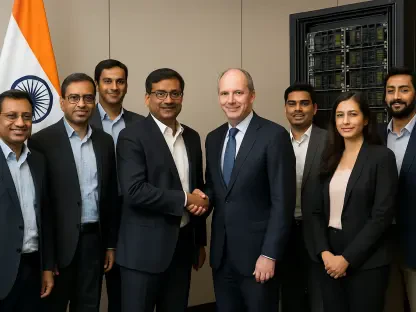
The strategic rationale behind Admiral Group’s acquisition of Flock perfectly illustrates this industry-wide shift. For Admiral, a traditional insurance giant with a massive customer base, the move is a definitive step toward future-proofing its motor insurance offerings. By integrating Flock, a specialized InsurTech startup, Admiral is not merely expanding its commercial portfolio; it is acquiring a cutting-edge technological platform and the expertise needed to lead in a data-centric market. This decision, built upon a successful partnership initiated in 2024 through Admiral Pioneer, signals a clear recognition that the future of insurance lies in agile, AI-powered solutions.
Analysis of Core Technological Components
Flock’s Proactive AI and Telemetry Risk Platform
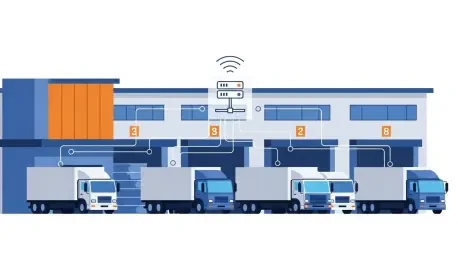
At the heart of this evolution is Flock’s proprietary digital insurance platform, a sophisticated system engineered to transform raw data into actionable safety intelligence. The platform functions by continuously ingesting and analyzing telemetry data from commercial vehicles, drawing upon a vast training set of hundreds of millions of miles of real-world driving. This allows the AI to identify patterns and behaviors correlated with increased risk, such as harsh braking, sudden acceleration, or driving through hazardous zones at specific times.
The performance of this technology moves beyond simple data collection. It provides fleet managers with real-time safety insights and tangible recommendations to mitigate potential dangers before an incident occurs. Consequently, this enables a dynamic pricing model where insurance premiums are directly tied to demonstrated risk improvement. Fleets that adopt safer driving practices see their costs decrease, creating a powerful financial incentive that aligns the goals of the insurer with those of the client, ultimately fostering a culture of safety.
Admiral’s Established Data and Analytics Framework
While Flock brings advanced, real-time technology to the table, Admiral provides the foundational scale and deep-rooted expertise in data science essential for widespread impact. As a pioneer in using telematics to reward safe driving in the personal auto market, Admiral has an established infrastructure and vast data resources that create a highly synergistic base for this acquisition. The company’s long-standing proficiency in data analytics provides the perfect environment to integrate and scale Flock’s platform across a much larger segment of the commercial market.
This combination of established analytics and innovative AI creates a powerful feedback loop. Admiral’s extensive historical data can be used to further refine and validate Flock’s predictive models, enhancing their accuracy and reliability. In return, Flock’s real-time capabilities provide Admiral with a more sophisticated and responsive toolset for its commercial offerings. This fusion of legacy strength and startup agility is poised to accelerate the development of next-generation insurance products that are more precise, fair, and effective.
Current Market Developments and Strategic Shifts
The Admiral-Flock acquisition is a key indicator of a broader industry trend: the decisive shift from reactive, claim-based insurance models to proactive, data-driven risk management. For decades, the insurance industry operated by pricing historical risk and paying out claims after an incident. Today, the focus is increasingly on preventing those incidents from happening in the first place. This transition is being driven by the availability of rich data streams and the AI capable of interpreting them.
Established insurers are recognizing that building such advanced capabilities from the ground up is a slow and resource-intensive process. As a result, many are turning to strategic partnerships and acquisitions to accelerate innovation and stay competitive. By acquiring a proven InsurTech like Flock, Admiral gains immediate access to a high-growth market segment and a technological platform that has already demonstrated its value. This strategy allows the incumbent to leapfrog internal development cycles and integrate a nimble, forward-thinking culture into its established operations.
Real-World Implementation and Value Proposition
The tangible benefits of this integrated technology extend to all stakeholders in the commercial fleet ecosystem. For clients, the value proposition is clear: the platform offers real-time safety recommendations that directly lead to a reduction in accident frequency. Fleet managers can monitor driver behavior, identify areas for improvement, and implement targeted training, creating a safer work environment and reducing operational disruptions. This proactive approach culminates in insurance pricing that accurately reflects a fleet’s safety performance, rewarding positive changes with lower premiums.
For brokers and insurers, the technology provides a more sophisticated tool for underwriting and risk management. The ability to assess risk with such precision allows for more competitive and sustainable pricing. Furthermore, the data-driven insights enable brokers to act as true risk advisors to their clients, offering value beyond simple policy placement. This strengthens client relationships and positions them as indispensable partners in an increasingly complex market. The result is a more efficient, transparent, and mutually beneficial insurance model.
Integration Challenges and Regulatory Hurdles
Despite the clear strategic advantages, the integration of Flock’s platform into Admiral’s vast operational framework is not without its challenges. Technical hurdles include ensuring seamless data migration, system compatibility, and the unification of two distinct technological architectures without disrupting service for existing customers. Successfully merging a nimble startup culture with that of a large, established corporation also requires careful management to preserve the innovative spirit that made Flock an attractive acquisition target.
Beyond the technical and cultural integration, the transaction itself is subject to market and regulatory scrutiny. As with any acquisition of this scale in the financial services sector, the deal must receive regulatory approval before it can be finalized. This process ensures that the merger complies with market competition rules and other industry standards. Both companies have expressed confidence in a smooth process, but it remains a critical step before the full potential of this partnership can be realized.
The Future Outlook for Data-Driven Fleet Insurance
Looking forward, the combination of Admiral’s scale and Flock’s agile technology is positioned to set a new industry standard for commercial motor insurance. Potential breakthroughs stemming from this merger could include even more personalized risk models, the integration of new data sources like weather and traffic patterns, and the development of automated safety coaching tools for drivers. The long-term impact on the sector will likely be a market where dynamic, usage-based insurance becomes the norm rather than the exception.
This partnership could also accelerate the adoption of similar technologies across the broader insurance landscape. As competitors witness the benefits of a truly integrated, data-first approach, the pressure to innovate will intensify. The Admiral-Flock model, which combines the financial strength and market reach of an incumbent with the technological prowess of an InsurTech, may become the blueprint for future growth and modernization in the industry.
Final Assessment and Strategic Implications
The acquisition of Flock by Admiral Group was a landmark event that underscored the transformative power of AI and telematics in the insurance sector. It represented a convergence of established industry leadership with cutting-edge innovation, creating a formidable force in the commercial fleet market. The deal validated the efficacy of Flock’s proactive risk management platform and highlighted a clear path forward for legacy insurers seeking to adapt to a rapidly evolving technological landscape.
Ultimately, this merger showcased how strategic acquisitions can serve as powerful catalysts for progress. By integrating Flock’s advanced technology with its own extensive data resources and market presence, Admiral not only enhanced its product offerings but also solidified its position as a forward-thinking leader. The strategic implications of this move were significant, signaling a definitive shift toward a more dynamic, transparent, and safety-oriented future for fleet insurance.