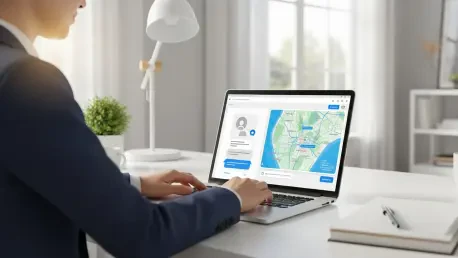

Traditional insurance procurement often involves navigating cumbersome web forms and deciphering opaque actuarial terminology that leaves many property owners feeling overwhelmed by the sheer complexity of their coverage options. This friction frequently results in significant underinsurance across the country, where flood risks are often underestimated until a disaster occurs. Neptune Flood has addressed this by launching a specialized quoting application within the ChatGPT interface. This tool enables users to engage in natural language conversations to assess specific risks and explore options without navigating traditional portals. By translating jargon into plain language, the AI-driven approach demystifies the process for residents in all fifty states. The goal is to foster an intuitive environment where property owners receive immediate preliminary quotes while gaining a clearer understanding of their unique vulnerabilities in real time through a dynamic digital dialogue.
The Infrastructure of Conversational Underwriting
The technical foundation of this conversational interface relies on Neptune’s proprietary underwriting engine, known as Triton®, which serves as the core intelligence for risk assessment. To facilitate this integration, engineers architected a modular, API-first infrastructure that utilizes the Model Context Protocol to bridge the gap between generative AI and specialized financial data. This protocol allows ChatGPT to securely interact with real-time risk modeling and rating information while strictly adhering to the company’s established automated workflows. By maintaining a secure environment, the system ensures that sensitive property data is processed efficiently without compromising the integrity of the underlying actuarial models. Once the AI generates a preliminary quote based on the conversation, the user is transitioned to the official website to finalize the purchase. This hybrid model combines the accessibility of conversational AI with the robust security required for financial transactions.
Bridging the Gap Between Risk and Protection
This strategic expansion of digital capabilities reflects a broader movement within the insurance industry to merge traditional financial services with advanced generative technologies. Beyond the consumer-facing AI, the company continued to support a vast network of independent agents who managed over 280,000 policies throughout the nation. By leveraging these tools, the industry moved toward a more proactive model of risk management that prioritized clarity and speed. Stakeholders recognized that streamlining the customer experience was essential for increasing the total number of protected properties in high-risk zones. Looking ahead from 2026 to 2028, the focus shifted toward refining these AI interactions to provide even deeper analytical insights into regional climate trends. Property owners who utilized these conversational tools reported a higher confidence in their coverage choices. Future implementations aimed to integrate more granular geographical data, ensuring that every homeowner possessed the info to mitigate loss.