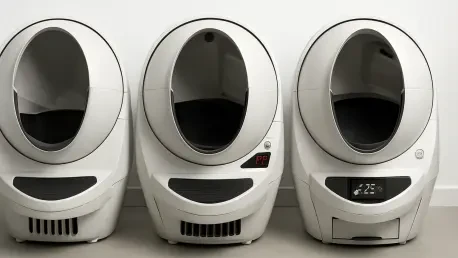

The domestic feline environment has transformed into a sophisticated data center where every physiological metric is tracked with clinical precision through the integration of artificial intelligence and robotics. For the modern pet owner, the shift from a simple plastic basin to an automated health-monitoring station represents a fundamental change in how the wellness of a cat is managed within the home. Whisker has remained at the forefront of this movement, offering a suite of Litter-Robot models that bridge the gap between mechanical convenience and proactive veterinary diagnostics. By analyzing the current lineup—including the flagship 5 Pro, the refined 5, the compact EVO, and the reliable 4—it becomes clear that these devices are no longer just about avoiding the chore of scooping; they are essential diagnostic tools that provide a window into the silent health struggles of the modern house cat.
Advanced Monitoring and the Digital Ecosystem
Harnessing Health Data Through the Whisker App
The foundation of the entire Whisker ecosystem lies in its proprietary mobile application, which serves as a centralized hub for managing the intricate details of feline waste management and physiological tracking. Unlike the fragmented or unreliable software often found in the broader smart home market, this interface has been engineered to provide a seamless flow of data from the litter box directly to the owner’s smartphone. The primary value of this connectivity is the establishment of a health baseline for each individual pet in the household. By consistently recording the exact weight of the cat and the precise frequency of visits, the app creates a historical record that allows for the immediate identification of subtle behavioral shifts. These shifts are frequently the earliest indicators of serious medical conditions, such as diabetes or chronic kidney disease, which are notoriously difficult to detect in cats due to their natural instinct to hide discomfort and illness.
Beyond simple tracking, the digital infrastructure facilitates a proactive approach to pet parenting by offering customizable alerts and detailed activity logs that can be shared with veterinary professionals. When a cat visits the box more frequently than their established norm, the system sends a notification that may prompt a closer look at their hydration or urinary health. This level of insight is particularly transformative for owners of aging cats or those with known predispositions to urinary tract issues. The app also manages the maintenance lifecycle of the hardware itself, providing real-time updates on waste drawer levels and litter volume. This ensures that the environment remains pristine without the need for constant manual checks, effectively marrying the logistical needs of the owner with the biological requirements of the pet in a way that feels intuitive and technologically indispensable.
The Pinnacle of Feline AI Integration
As the most advanced offering in the current lineup, the Litter-Robot 5 Pro represents the highest level of technological sophistication available to consumers seeking a comprehensive health-monitoring solution. The machine is distinguished by its dual AI-enabled camera system, which provides a visual layer of verification that supplements the weight-based sensors found in lower-tier models. This feature is a game-changer for multi-cat households where pets may have similar weights, making it traditionally difficult for sensors to distinguish between individuals. The cameras not only confirm which cat is using the box but also monitor the activity surrounding the unit, ensuring that the owner has a complete picture of the pet’s habits. This integration of visual and biometric data creates a robust profile for each cat, allowing the system to provide highly personalized health insights that were previously impossible to achieve outside of a clinical setting.
A secondary but equally vital innovation found in the 5 Pro is the introduction of WasteID technology, a proprietary system that uses weight analysis and AI algorithms to categorize deposits as either solid waste or urine. This distinction is critical for two reasons: it allows for the optimization of the cleaning cycle and provides detailed data on the cat’s digestive and urinary output. For example, if the system detects a significant increase in urine volume, it can alert the owner to potential issues with kidney function or hyperthyroidism. Simultaneously, the machine can adjust its rotation timing based on the type of waste; it might cycle immediately to trap the odor of fecal matter or wait slightly longer to ensure that urine clumps have fully solidified to prevent smearing. This level of operational intelligence highlights the shift toward hardware that acts as an extension of the pet’s healthcare team, utilizing software subscriptions to unlock deeper layers of recognition and analysis.
Versatile Solutions for Every Household
Balancing Performance and Accessibility
For many households, the standard Litter-Robot 5 offers a perfect equilibrium between high-end diagnostic features and practical everyday utility. This model serves as the refined successor to previous generations, incorporating a sleek LCD control panel that replaces the tactile buttons of the past with a more modern, responsive interface. While it does not include the dual cameras of the Pro version, it retains the sophisticated built-in scale system that can track and distinguish up to five different cats based on their weight profiles. This makes it an ideal choice for the average multi-cat owner who wants the benefits of health monitoring without the added complexity or cost of an AI-driven camera suite. The unit is designed to provide a quiet, efficient cleaning cycle that fits seamlessly into the living environment, ensuring that the automation process does not disrupt the peace of the home.
Engineering improvements in the waste management system also set this model apart from its predecessors, particularly regarding the design of the waste drawer. The newer generation utilizes a wider and shallower drawer configuration paired with smart distribution technology that prevents the “volcano” effect, where waste accumulates in a central peak and triggers a “full” sensor prematurely. This design choice maximizes the usable capacity of the drawer, often allowing for up to ten days of hands-free operation for a single cat. Additionally, the inclusion of a multi-layered carbon filtration system significantly enhances odor control, addressing one of the primary concerns of cat owners. By combining these mechanical refinements with the core connectivity of the Whisker app, the 5 model delivers a comprehensive solution that solves the logistical challenges of litter box maintenance while still providing enough health data to be a valuable asset in the pet’s long-term wellness plan.
Streamlined Efficiency for Smaller Spaces
The Litter-Robot EVO is positioned as a functional entry point for owners who prioritize mechanical reliability and space efficiency over advanced AI diagnostics. Its compact footprint is specifically tailored for urban dwellers or those living in apartments where every square foot of floor space is at a premium. Despite its smaller size, the EVO does not compromise on the core gravity-fed rotation technology that has made the brand a leader in the industry. It is designed to accommodate households with up to two cats, provided they fall within the 19-pound weight limit, making it a robust option for the majority of domestic cat owners. This model demonstrates that automation can be accessible and effective even in scaled-down environments, providing a significant quality-of-life upgrade for both the pet and the owner by eliminating the need for manual scooping.
One of the most notable features of the EVO is its return to physical control buttons, a design choice that many users find more reliable and intuitive than digital touchscreens. These buttons allow for quick manual overrides or the initiation of an immediate cleaning cycle without needing to access the mobile app, providing a tactile sense of control over the machine’s operation. While it lacks the WasteID and camera systems of the higher-tier models, it still maintains full connectivity with the Whisker app for basic usage tracking and remote notifications. This allows the EVO to act as a “function-first” device that provides the essential benefits of automated cleaning and basic health monitoring at a more accessible price point. It represents a practical approach to pet technology, focusing on the core problem of waste management while retaining just enough smart features to keep the owner informed about their pet’s basic habits.
Maximizing Automation with Legacy Technology
Despite the rapid advancement of the 5 series, the Litter-Robot 4 continues to hold a unique and highly competitive position in the market due to its exclusive compatibility with the LitterHopper accessory. The LitterHopper is an automated refill system that monitors the depth of the litter bed and dispenses fresh litter as needed, effectively closing the loop on the automation process. For owners who desire the most “hands-off” experience possible, the combination of the LR4 and the LitterHopper remains the gold standard. This setup ensures that the litter level is always optimal for clumping and odor control without the owner ever having to pour litter manually. This level of convenience is particularly beneficial for individuals with mobility issues or those who travel frequently and need to ensure their cat’s environment remains consistent in their absence.
The design of the Litter-Robot 4 itself was a major leap forward in cat acceptance, featuring a large, front-facing “open air” entryway that provides a clear line of sight for the pet. Cats are naturally vulnerable when using the litter box, and this wide-open design helps them feel more secure, which is crucial for a successful transition from a traditional box to an automated one. The LR4 also uses highly sensitive weight sensors and infrared detection to manage multi-cat households and ensure safety during the cleaning cycle. By prioritizing the ergonomics of the cat and the extreme convenience of the owner, the 4 model remains a powerhouse of performance. It proves that while AI and cameras are valuable for data collection, the fundamental mechanics of waste removal and litter maintenance are still the primary drivers of satisfaction for many feline-centric households.
Shared Innovations and Owner Considerations
Universal Safety and Engineering Standards
A hallmark of the Whisker brand across all its models is a commitment to a gravity-fed waste disposal system that avoids the mechanical pitfalls of raking or scraping mechanisms. By rotating the entire globe, the machine uses the natural force of gravity to separate clumps from clean litter, dropping the waste into a sealed compartment below. This approach is inherently more reliable than systems that use moving metal or plastic arms, which can easily become jammed or fouled by sticky waste. Across the latest generation of products, Whisker has further refined this process by improving the seals around the waste drawer and the globe, drastically reducing the escape of odors. This engineering focus ensures that the hardware remains functional for years, providing a return on investment through durability and consistent performance.
Safety is another non-negotiable standard that is applied universally across the lineup, regardless of the price point or feature set. Every Litter-Robot is equipped with “PinchForce” sensors and an “OmniSense” infrared array that creates a safety zone around the entrance and the internal mechanisms. If a cat approaches the unit or attempts to enter the globe while it is in motion, the sensors trigger an immediate halt to the cleaning cycle, resuming only when the area is clear. This fail-safe approach is essential for gaining the trust of both the pet and the owner, as it guarantees that the machine will never cause harm to the animal. By making these high-level safety features standard, the brand has established a baseline of reliability that allows owners to leave the automation running with complete peace of mind, knowing that the technology is designed with the cat’s well-being as the primary priority.
Practical Logistics and Health Investments
Investing in a high-end automated litter box is increasingly viewed through the lens of long-term health management rather than mere luxury, a shift reinforced by the unique eligibility of these devices for HSA and FSA spending. This classification acknowledges the role that consistent health monitoring plays in the early detection of disease, potentially saving owners thousands of dollars in emergency veterinary costs over the life of the cat. To support this investment, all models are backed by a 90-day in-home trial period and a comprehensive one-year warranty, allowing owners to ensure that their cat fully accepts the new technology before making a permanent commitment. This focus on the consumer experience extends to the aesthetic design of the units, which are available in neutral black and white finishes to blend into modern home decor.
While the visual design is sleek, there are practical considerations regarding the choice of finish that owners should keep in mind during the selection process. The black finish, while sophisticated, is known to highlight fine litter dust more prominently than the white version, which may require more frequent external cleaning to maintain a pristine appearance. Additionally, the physical size of the units must be factored into the placement within the home; while the EVO is more compact, the 5 and Pro models require a larger footprint to accommodate their higher capacity and advanced sensor arrays. Ultimately, the choice between models comes down to a balance of the specific needs of the household, the number of cats, and the level of health data desired. Regardless of the specific hardware chosen, the transition to a connected, automated system represents a significant step forward in providing a cleaner, healthier, and more informed environment for feline companions.
The integration of smart technology into the daily lives of cats has fundamentally altered the standards of care, moving the focus from reactive maintenance to proactive health monitoring. Owners who adopted the Litter-Robot 5 Pro gained unprecedented insight through AI-driven visual data, while those who chose the Litter-Robot 5 or the EVO successfully streamlined their daily routines without sacrificing essential health tracking. The continued relevance of the Litter-Robot 4, especially when paired with the LitterHopper, proved that total automation was achievable for those who prioritized convenience. By leveraging the comprehensive data provided by the Whisker app, households were able to identify potential health issues early, leading to better outcomes and more informed conversations with veterinarians. Moving forward, the most effective strategy for any cat owner involves assessing the specific physiological needs of their pets and selecting the hardware that best fills the gaps in their current health management plan. Focusing on the actionable data provided by these devices allowed for a deeper understanding of feline wellness that transcended the simple act of waste disposal.