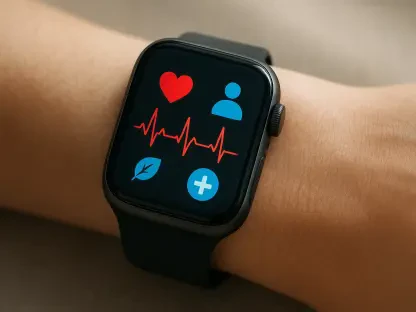

The relentless barrage of digital notifications from wrist-worn devices has led to a growing segment of the population seeking a more stoic relationship with their personal technology. The Fitbit Air represents a major shift in wearable technology by moving away from the “mini-smartphone” model that has dominated the market for years, prioritizing a discreet and health-centric experience over constant connectivity. Instead of fighting for the user’s attention through vibrant displays and real-time alerts, this device functions as a passive sensor that monitors vital statistics in the background. It positions itself as a tool for those who prefer longitudinal insights over immediate digital distraction, acting as a quiet observer of one’s physiological state. By eliminating the screen, the device serves as a background utility that records physical metrics without the psychological weight of a typical smartwatch, offering a low-friction alternative for individuals who want the health benefits of a wearable without the bulk or intrusive light of a traditional display.
The primary goal of this screenless tracker is to collect high-quality data, including heart rate, sleep patterns, blood oxygen levels, and skin temperature, with clinical precision. This design philosophy aligns with a growing movement toward digital wellness and a conscious reduction in screen time, allowing the hardware to “disappear” on the wrist and act as a quiet biographer of the body’s internal rhythms. It is less of a gadget and more of a dedicated health sensor, appealing to people who find the constant vibrations and pings of modern technology to be an unwanted intrusion into their daily lives. By removing the visual interface, the focus shifts entirely to the accuracy of the sensors and the long-term trends they reveal. This approach creates a more meaningful connection between the wearer and their health, as it encourages a more intentional review of data through a secondary device rather than a compulsive glance at the wrist every few minutes throughout the day.
Transitioning Toward a Post-Screen Wearable Philosophy
The move toward screenless architecture represents a significant pivot in how developers conceive of personal health monitoring, moving from active interaction to passive observation. For years, the industry has pushed for more powerful processors and brighter screens, but the Fitbit Air suggests that the future of wellness might actually lie in less technology rather than more. By stripping away the interface, the device removes the primary source of power consumption and user distraction, allowing the sensors to operate with a purity of purpose that is often lost in multi-purpose smartwatches. This minimalist approach addresses a common complaint among wearable users who feel “over-connected” and tethered to their notifications. Instead of serving as another conduit for emails and text messages, the tracker focuses solely on the biological data of the wearer, ensuring that the technology serves the person rather than the other way around.
Furthermore, this philosophy of “invisible tech” fosters a healthier relationship with personal metrics by preventing the obsession with real-time numbers. When a person can see their step count or heart rate at any given second, it can lead to an unhealthy preoccupation with immediate results rather than long-term progress. The screenless model naturally enforces a period of reflection, as users must sync the device to a smartphone to view their progress, creating a natural boundary between the act of living and the act of analyzing. This distinction is crucial for maintaining mental well-being in an era where data-driven anxiety is on the rise. By acting as a silent recorder, the device allows the wearer to remain present in their environment while still benefiting from the complex data collection occurring beneath the surface, effectively bridging the gap between high-tech health monitoring and a focused, distraction-free lifestyle.
Engineering for Constant Comfort and Uninterrupted Monitoring
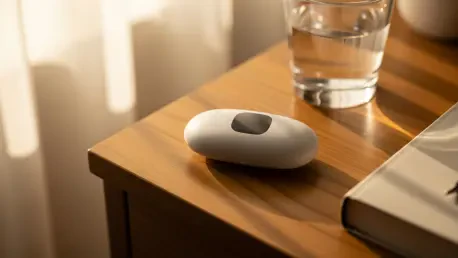
The physical design of the hardware is perhaps its most significant success, featuring a tiny “pod” form factor that is remarkably lightweight and unobtrusive. Because the device lacks the internal components required to drive a high-resolution display, it is small enough to be worn comfortably throughout a full 24-hour cycle without causing fatigue or skin irritation. In the world of passive tracking, this level of comfort is not merely a luxury but a functional necessity; if a device is bulky or irritating, the user is far less likely to wear it consistently, which leads to significant gaps in data collection that can skew health trends. The smooth, contoured shape of the tracker ensures it fits snugly against the wrist, optimizing sensor contact while remaining almost imperceptible to the wearer during both vigorous physical activity and deep restorative sleep.
Because the tracker does not emit light or vibrate for typical smartphone notifications, it serves as an ideal companion for comprehensive sleep monitoring. It avoids the common pitfalls of larger, more traditional smartwatches that can feel heavy or catch on bedding during the night, often leading users to remove them before going to bed. The hardware is meticulously stripped down to its essential components: a sophisticated sensor suite, a high-efficiency vibration motor for haptic feedback, and a small, recessed LED indicator used solely for battery status and charging confirmation. This streamlined approach ensures the physical footprint remains as small as possible, allowing the device to integrate seamlessly into a person’s existing wardrobe without clashing with professional attire or jewelry. The result is a piece of technology that feels more like a natural extension of the body than a piece of external equipment.
Navigating the Data-First User Interface
Living with a device that lacks a visual display necessitates a fundamental change in how a person interacts with their personal health data. There is no instant gratification or “glanceable” information, which means users cannot check their current pace during a run or see a live heart rate reading directly on their wrist. This “collect now, view later” model effectively transforms the device into a passive recorder that requires the wearer to be more intentional about when and how they review their statistics. While some may initially find this lack of immediate feedback frustrating, it encourages a more holistic view of health, where daily fluctuations are viewed in the context of weekly and monthly trends. This shift in perspective can be incredibly liberating for those who have previously felt enslaved by the minute-to-minute updates provided by more traditional fitness trackers.
While the lack of a screen significantly reduces daily distractions, it does introduce a few practical trade-offs regarding user convenience. Basic tasks that are usually instantaneous, such as verifying the current battery level or ensuring that a specific activity is being recorded, now require the user to open a smartphone application. For those who are accustomed to the immediate feedback of a watch face, this dependency on a secondary device represents a significant adjustment in daily habits and requires a certain level of trust in the technology’s autonomous functions. However, this trade-off is often seen as a fair price to pay for the increased focus and reduced screen time that the device promotes. It forces the user to move away from the habit of constant checking and toward a more structured approach to health management, where data review becomes a dedicated part of the day rather than a constant background activity.
Software Synergy and the Role of Artificial Intelligence
Since the device itself has no built-in interface, the Google Health app serves as the only window into the vast amount of data collected by the sensors. This puts immense pressure on the software to be intuitive, deep, and highly responsive to the user’s needs. While the initial setup process is remarkably seamless and the app provides a clean, modern aesthetic, it currently feels like a platform that is rapidly evolving to meet the demands of screenless hardware. Users may find that accessing specific raw data points or historical trends requires more navigation than is ideal for an app-dependent tracker. The interface must act as the “brain” of the operation, translating the silent pulses of the wrist sensors into actionable insights that the user can understand and apply to their daily routine, making the software’s architecture just as important as the physical sensors.
The inclusion of an AI Coach is a central feature of the software experience, offering conversational summaries of health trends that are particularly useful for casual users who may be overwhelmed by raw statistics. This artificial intelligence analyzes patterns in sleep, activity, and recovery to provide personalized advice, such as suggesting an earlier bedtime after a strenuous day or noticing a gradual increase in resting heart rate that might indicate overtraining. However, there is a clear need for the app to balance these AI-driven narratives with transparent, unadorned data for those who prefer to perform their own detailed analysis. One notable area for improvement involves the ability to edit or trim automatically detected exercises, which can sometimes be imprecise in their recorded start and end times. As the software matures, the integration between the passive hardware and the intelligent app will likely become even more cohesive.
Performance Metrics Across Daily Activity and Recovery
The core value of the device lies in its sensor accuracy and consistent health monitoring, particularly during periods of rest and recovery. Because the tracker is so comfortable to wear at night, it provides a highly reliable stream of data regarding sleep stages, including deep, light, and REM cycles, which are critical for understanding overall health. Testing suggests that the accuracy of these metrics is highly dependent on the device’s physical placement, highlighting the importance of a secure fit on the wrist for the best results. The inclusion of skin temperature and blood oxygen sensors allows the device to detect subtle changes in the body’s baseline, potentially flagging the early onset of illness or changes in the menstrual cycle. This level of continuous monitoring provides a detailed health profile that would be difficult to maintain with a less comfortable or more intrusive device.
While the tracker is fully capable of monitoring exercise, it is not specifically designed for the rigorous needs of professional athletes who require real-time feedback. It performs exceptionally well during casual activities like jogging, cycling, or swimming, but the lack of a screen means there is no way to check pace, distance, or heart rate zones while in motion. It excels at automatically recognizing movement and categorizing it into specific activity types, though this automation can occasionally be messy without the manual “start” and “stop” controls found on more traditional fitness watches. For the average user, however, this automatic detection is a benefit, as it ensures that every brisk walk to the office or weekend hike is captured without the need for manual input. It turns the act of exercise into a natural part of the day’s data rather than a separate event that must be digitally initiated.
Longevity and the Economic Value Proposition
In the absence of a power-hungry visual display, the internal vibration motor serves as the primary way the device communicates with the wearer in real-time. The silent alarm feature is a standout utility, allowing users to set haptic reminders that wake them up gently through wrist vibrations without disturbing a partner or adding noise to the morning routine. This simple interaction is enhanced by the ability to dismiss or snooze alarms with a simple double-tap on the device’s surface, providing a tactile experience that feels natural even without a visual menu to navigate. This use of haptics demonstrates how technology can still be communicative and useful without relying on sight, utilizing the sense of touch to provide discreet notifications that are private to the wearer and non-disruptive to the surrounding environment.
The removal of the screen results in an impressive battery life that typically lasts approximately seven days on a single charge. This longevity is a major benefit for a passive tracker, as it minimizes the need for daily charging and ensures more continuous data collection, particularly during the night when many other devices are sitting on a nightstand. When the battery does run low, a specialized magnetic charger provides a quick boost, with just five minutes of charging offering enough power to last through a full day of use. At a price point of $99, the tracker is positioned as an affordable entry into the health-monitoring market. Most essential metrics, such as heart rate and sleep tracking, do not require a monthly subscription, which distinguishes it from several competitors that lock basic health data behind a paywall. While a premium tier exists for advanced AI features, the device remains highly functional for the average user.
Implementation Strategies for Seamless Health Integration
The Fitbit Air successfully navigated the tension between technological advancement and human attention by providing a specialized tool for health consciousness. It proved that a wearable did not need to be a constant source of notifications to be valuable; instead, it achieved utility through silence and persistence. Organizations looking to implement similar health initiatives found that the low-friction nature of screenless devices led to higher compliance rates among employees and patients alike. By focusing on long-term data rather than immediate feedback, the hardware encouraged a more sustainable approach to fitness that avoided the burnout often associated with high-intensity tracking. The device demonstrated that when technology was designed to complement the human experience rather than dominate it, users were more likely to integrate those tools into their long-term wellness strategies.
Moving forward, the industry learned that the “less is more” approach could open new doors for demographic groups that were previously intimidated by complex smartwatches. The simplicity of the screenless pod made health tracking accessible to a wider audience, from seniors who preferred a set-and-forget solution to minimalist enthusiasts who wanted to disconnect from the digital grid. This shift emphasized the importance of high-quality sensor engineering over flashy user interfaces, setting a new standard for what a dedicated health tool should prioritize. As data privacy and digital wellness became more prominent concerns, the success of this model provided a roadmap for future hardware that respected the user’s focus while still delivering the deep biological insights necessary for modern health management. The tracker’s legacy was established not by what it added to the wrist, but by what it had the courage to remove.