
Integrating sophisticated twenty-first-century technology into the sturdy, hand-crafted bones of a 1907 Craftsman home requires more than just a technical eye; it demands a deep respect for historical preservation. In regions like Portland, Oregon, where these architectural gems are often listed on the National Historic Registry, the process of modernization becomes a delicate dance between maintaining a century-old aesthetic and installing high-performance sensors. The primary challenge lies in ensuring that contemporary conveniences—such as automated climate control and advanced security systems—do not clash with the original millwork or compromise the structural integrity of the lath-and-plaster walls. This transformation often relies on a blend of professional installations and significant “sweat equity” performed over many months. For many homeowners, the ultimate goal is not to create a sterile, futuristic environment, but to fix deep-seated issues like outdated furnaces and poor insulation while remaining within a realistic budget. By prioritizing non-invasive upgrades, it is possible to take a house that was once the antithesis of a smart home and turn it into a residence that feels both authentic and technologically advanced. The philosophy of thoughtful integration ensures that smart features work quietly in the background, allowing the soul of the 1907 design to remain the true focal point for a modern family navigating the demands of current life.
Climate Management: Efficiency Meets History
The initial phase of updating a historic home almost always begins with the vital systems that keep the structure habitable, specifically the heating, ventilation, and air conditioning. In a drafty 1907 Craftsman, a smart thermostat such as the Ecobee Smart Thermostat Enhanced functions as the central intelligence for climate management, providing a level of control that was impossible with older mercury-switches. This specific device utilizes built-in radar and motion detection to monitor room occupancy, adjusting the temperature based on where people are actually spending their time rather than heating an empty parlor or a formal dining room. Furthermore, the detailed energy usage reports generated by these units allow homeowners to see exactly how the building responds to external weather patterns. Over the course of the current season in 2026, these insights enable the occupants to identify where the most heat is being lost, whether through the original single-pane windows or gaps in the floorboards, making it much easier to plan more permanent insulation improvements while saving on monthly utility bills immediately.
Cooling a home that was built decades before central air became a standard requirement poses a unique set of logistical problems, as traditional ductwork is often absent and difficult to install. To circumvent the need for invasive renovations, a U-shaped window air conditioner offers a streamlined solution that fits the specific geometry of historic Craftsman windows. Unlike bulky, traditional units that block the entire view and allow significant air leakage, the U-shaped design allows the window to be closed almost entirely, leaving only a tiny opening for the connecting bridge. This maintains the home’s security and visual appeal while providing high-efficiency cooling that can be controlled via a mobile application. Homeowners can program these units to engage only when necessary, ensuring the house is cooled before they return from a commute, which is far more efficient than running the system all day. This blend of modern portability and smart connectivity allows a vintage property to remain comfortable during record-breaking summer temperatures without ruining its exterior charm with modern hardware.
Security Solutions: Safety Without Structural Damage
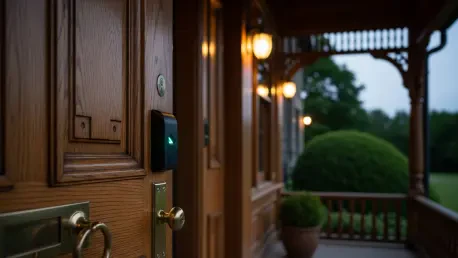
Transitioning to a smart entry system represents a major leap in convenience for the modern family, but it must be handled with care to avoid damaging original wooden doors. A battery-powered smart deadbolt is often the most effective choice for a 1907 residence because it requires no hardwiring and functions independently of a centralized hub, which can be prone to failure in thick-walled older homes. These locks allow the homeowner to keep the classic aesthetic of their front porch while gaining high-tech features like fingerprint recognition and unique access codes. For households with children or frequent visitors, the ability to grant temporary access through a smartphone app eliminates the need for physical keys that can be lost or copied. This technology provides a layer of digital protection that complements the physical strength of the original hardware, ensuring that the primary entry point is as secure as any newly built home without the need for a carpenter to cut new holes in historic mahogany or oak.
The psychological benefits provided by these smart security upgrades are frequently just as significant as the physical protection they offer the residents. Through a dedicated mobile app, homeowners can remotely verify the status of their doors at any time, providing peace of mind during late-night hours or while away on extended vacations. This functionality removes the common stress associated with wondering if the house was properly locked during a hurried exit. In contrast to older alarm systems that required miles of unsightly wiring and drilling into baseboards, modern smart sensors use long-range wireless protocols to communicate with a central base station. This means that window sensors and motion detectors can be placed discreetly behind curtains or on top of high shelving, maintaining the “vibe” of the interior while creating an invisible barrier of protection. By choosing non-invasive, wireless options, the integrity of the 1907 design remains the priority, proving that safety and history can coexist through clever technological application.
Advanced Sanitation: Luxury Upgrades for Vintage Plumbing
The bathroom is frequently the location where modern technology and historic architecture encounter the most significant aesthetic and functional friction. Introducing a high-end washlet or bidet system into a century-old bathroom brings a level of personal hygiene and luxury that was truly unimaginable during the original construction of the house. While the sleek, digital interfaces and glowing LED indicators of modern toilet systems might initially seem at odds with Victorian or Edwardian-era plumbing, they offer a functional upgrade that vastly improves the quality of daily life. These systems often include heated seats, customizable water temperatures, and air-purification features that address the common ventilation issues found in older home layouts. Installing these units typically requires only minor adjustments to existing water lines, making them an ideal “plug-and-play” upgrade that provides an immediate sense of modernization without the astronomical cost of a full-scale bathroom gut renovation and reconstruction.
Sustainability is another key driver for upgrading plumbing fixtures in an aging structure, as the water consumption of original early-twentieth-century toilets is often extremely high. High-tech smart toilets and washlet attachments are engineered to use significantly less water per flush than even the current EPA standards, which helps to drastically reduce the overall environmental footprint of the household. This combination of conservation and personal luxury allows the bathroom to become a space where smart technology pays for itself in both utility and environmental responsibility. Additionally, many of these modern systems feature self-cleaning technologies using electrolyzed water or UV light, which reduces the need for harsh chemical cleaners that can be abrasive to older pipes and finishes. For a homeowner looking to balance the preservation of a historic home with the requirements of modern living, focusing on high-efficiency sanitation is a strategic move that enhances the property’s value while respecting its architectural heritage.
Electrical Systems: Modern Light Through Vintage Glass
Managing the electrical system of a 1907 Craftsman can often feel like solving a coiled mystery, especially when dealing with legacy knob-and-tube wiring or old plaster-covered conduits. To avoid the massive expense and structural disruption of a total home rewire, smart bulbs offer a brilliant way to retrofit vintage light fixtures with twenty-first-century capabilities. These bulbs allow for sophisticated app-based timers, dimming capabilities, and voice-command integration through platforms like Alexa or Google Home, bringing modern functionality to antique brass lamps and glass chandeliers. By replacing standard bulbs with smart versions, homeowners can create “scenes” that adjust the lighting based on the time of day, enhancing the warm wood tones of the Craftsman interior. This approach bypasses the need for new wall switches in difficult locations and allows the original architectural lighting to remain as a decorative centerpiece while serving a modern, automated role in the household’s daily routine.
In many older homes, certain rooms or corridors lack overhead lighting entirely, a common design trait from an era when lamps were the primary source of illumination. Bluetooth-enabled sockets and wireless remote switches provide a sophisticated workaround for this problem without necessitating a single cut into the lath-and-plaster walls. These tools allow a homeowner to pair a wireless wall switch with a specific floor lamp or plug-in fixture, mimicking a traditional built-in setup perfectly. This is an essential non-destructive method for bringing consistent, controllable light into the darker corners of a classic floor plan. Moreover, these wireless systems can be expanded or moved as the family’s needs change, offering a level of flexibility that traditional hardwired systems simply cannot match. It ensures that every room can be brightly lit and welcoming, overcoming the limitations of an early twentieth-century electrical layout while preserving the integrity of the original walls and decorative crown molding.
Maintenance and Care: Automating Domestic Chores
The modernization of a historic property also involves simplifying the heavy lifting associated with domestic maintenance through the use of intelligent automation. For households with pets, AI-enabled tools such as automatic litter boxes or smart feeders help manage pet care while keeping odors and messes at bay in older floor plans that may lack modern ventilation. These devices are generally designed to be unobtrusive and can be tucked into small nooks or under-stair closets, providing valuable health data through connected applications. By monitoring a pet’s frequency of use or eating habits, these systems offer early warnings for potential health issues, turning a standard chore into a data-driven wellness program. In a home where every square foot is valuable, these automated systems allow the residents to reclaim their time and maintain a cleaner, more hygienic environment without the constant manual labor that traditionally accompanied pet ownership in a smaller space.
When it comes to the actual cleaning of the home’s vintage surfaces, some owners find that a “retro-tech” approach is the most effective way to handle the unique demands of old wood floors and thick wool rugs. Choosing high-performance, German-engineered vacuum cleaners that possess a classic, industrial aesthetic allows the machinery to blend in with the home’s period decor rather than clashing with it. These units are often powerful enough to extract a century’s worth of dust from floorboard cracks while remaining quiet enough for use in a busy household. This is a practical necessity in many Craftsman homes where storage space is at a premium and closets are often too small to hide large, unsightly plastic appliances. By selecting tools that prioritize both engineering excellence and aesthetic compatibility, homeowners can maintain their historic space with the efficiency of the modern age while keeping the visual narrative of their 1907 residence consistent and uninterrupted by modern technological clutter.
Exterior and Kitchen: Planning for Incremental Progress
The exterior of a historic Craftsman property, which often features expansive lots and mature gardens, can benefit immensely from the introduction of smart irrigation technology. Solar-powered, hose-connected timers allow for intelligent zoning of the landscape, ensuring that newly planted meadows or heirloom rose bushes receive the precise amount of water they need based on local weather forecasts. This is particularly useful in regions where seasonal shifts can be unpredictable, as the system can automatically skip a watering cycle if rain is detected, preventing water waste and protecting the garden from over-saturation. This level of automation allows a homeowner to revive a neglected yard or establish a native plant garden with minimal manual intervention. By using solar power, these systems remain entirely wireless, avoiding the need to run electrical lines through the yard and preserving the natural beauty of the historic site while ensuring its long-term health and sustainability.
Within the kitchen, high-impact technological upgrades such as multi-functional beverage systems can provide a sense of luxury during the long period spent waiting for a full-scale renovation. These systems can be installed at an existing sink to provide filtered, sparkling, or boiling water instantly, which reduces the reliance on bottled water and clears cluttered counter space. Such standalone units allow homeowners to enjoy modern convenience incrementally, bridging the gap between the outdated features of the past and the high-efficiency requirements of the future. This approach allows for a “phased” modernization strategy where the kitchen remains functional and enjoyable even as other parts of the house are being restored. By focusing on these high-utility, low-impact installations, the overall experience of living in a 1907 home is elevated, proving that one does not need to destroy the past to live comfortably in the technological landscape of the present day.
Future Stewardship: Insights for Lasting Integration
The successful modernization of the 1907 Craftsman demonstrated that historic preservation and smart technology were not mutually exclusive concepts. By choosing modular, battery-powered, and wireless solutions, the residents preserved the physical history of their home while resolving long-standing architectural pain points. The focus shifted from invasive structural changes to invisible digital overlays that enhanced daily life without altering the visual narrative of the building. Homeowners found that the best strategy involved identifying non-destructive entry points for technology, such as the lighting and security sectors, before committing to larger plumbing or HVAC overhauls. This approach ensured that the residence remained a living document of its era rather than a museum piece frozen in time. Future projects benefited from this blueprint of incremental progress, where each new device was vetted for its ability to blend into the existing millwork. Ultimately, the integration of smart systems became a stewardship tool, helping to maintain the health and efficiency of the structure for the next century of occupants.