
The transition of medical technology from luxury items to standard healthcare necessities represents a pivotal shift in how chronic illnesses are managed today. Oxiwear’s continuous oxygen-monitoring device has recently crossed this threshold, moving from a significant out-of-pocket expense to a covered insurance benefit. This development is particularly crucial for individuals living with pulmonary hypertension, a condition where oxygen levels can plummet unexpectedly during routine activities. Since its 2024 FDA clearance, this medical-grade wearable has redefined patient safety by providing constant data rather than the snapshots offered by traditional pulse oximeters. By integrating this technology into the reimbursement frameworks of Medicare and private insurers, the healthcare system is finally addressing the logistical and financial gaps that previously left many patients vulnerable. This shift allows for a more holistic approach to respiratory health, where real-time monitoring becomes an accessible right rather than a privilege reserved for the wealthy.
Breaking Financial Barriers for Chronic Care
Eliminating High Costs: Enhancing Monitoring Accuracy
The democratization of medical technology relies heavily on the removal of upfront costs that act as barriers for the average patient. Previously, a $500 price tag for specialized monitoring equipment meant that many who needed it most were forced to rely on inferior consumer gadgets or forgo monitoring entirely. With the inclusion of Oxiwear in major insurance plans, this financial hurdle has been systematically dismantled, allowing for broader adoption of life-saving surveillance. This change ensures that the quality of care is no longer dictated by a patient’s socioeconomic status but by their clinical necessity. Clinicians can now prescribe these devices with the confidence that the costs will be managed through standard reimbursement channels, much like any other essential prescription. This widespread availability fosters a proactive healthcare environment where early intervention becomes the standard practice for managing chronic respiratory failures across diverse populations.
Bridging the Gap: Moving Beyond Spot-Checks
Traditional methods of measuring oxygen saturation often rely on sporadic “spot-checks” during clinical visits, which frequently fail to capture the dynamic reality of a patient’s condition. For those with pulmonary hypertension, oxygen levels can fluctuate dangerously during exertion, sleep, or even mild environmental changes that occur outside the doctor’s office. Insurance coverage for continuous monitoring allows for a 24-hour data stream that provides a comprehensive view of a patient’s physiological state. This continuous flow of information empowers physicians to make data-driven adjustments to treatment plans without waiting for a crisis to occur. Moreover, it reduces the need for frequent, expensive in-person assessments, as the technology facilitates remote monitoring that is both accurate and reliable. By funding this level of detail, insurers are essentially investing in a preventive strategy that avoids the high costs of emergency room visits and hospitalizations throughout the nation.
Engineering Reliability and Promoting Health Equity
Advanced Sensor Design: Integrating Digital Features
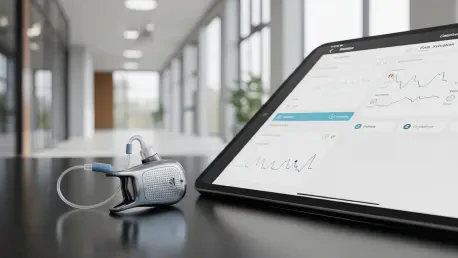
Engineering a medical device that remains functional and comfortable throughout the day requires a departure from traditional finger-clip designs which are often prone to displacement. Oxiwear utilizes a unique ear-clip sensor that maintains a stable connection to the body, ensuring that movement or poor peripheral circulation does not compromise the data quality. This design is seamlessly integrated with modern digital platforms, connecting via Bluetooth to a smartphone application that serves as a central hub for health alerts. If oxygen levels fall below a safe threshold, the device triggers an immediate haptic vibration to warn the wearer, while simultaneously sending emergency text notifications to pre-set medical contacts. This integration of physical hardware and digital communication creates a safety net that protects patients even when they are alone or asleep. Such a high degree of reliability is exactly why insurance providers have recognized the clinical value of the device for long-term use.
Achieving Health Equity: Accuracy Across Skin Tones
A long-standing issue in the field of pulse oximetry has been the inherent bias in traditional sensor technology, which often yields inaccurate readings for patients with darker skin tones. This discrepancy has historically led to delayed diagnoses and inadequate treatment for minority populations, highlighting a critical flaw in respiratory diagnostics. Oxiwear addressed this head-on by refining its sensor technology to ensure consistent accuracy across the entire spectrum of skin pigmentation. By securing insurance coverage, this equitable technology is now reachable for a diverse patient demographic that might have previously suffered from systemic diagnostic gaps. Ensuring that every patient receives the same caliber of monitoring regardless of their background is a fundamental step toward modernizing healthcare. This focus on inclusive design, backed by financial support from the insurance industry, ensures that medical-grade safety is a universal standard rather than a selective benefit for specific demographics.
Visionary Innovation: Expanding Clinical Applications
The development of Oxiwear was driven by the personal experience of its founder, who lives with pulmonary hypertension and sought to create a tool offering both autonomy and peace of mind. By aligning this vision with the insurance industry, the technology transitioned from a niche invention to a mainstream medical tool. Patients managing COPD, interstitial lung disease, and cardiovascular disorders now found a clearer path to receiving the same high-level surveillance. Healthcare providers were encouraged to integrate these remote monitoring tools into their standard workflows, ensuring that high-risk individuals remained under constant observation. The successful implementation of this reimbursement model suggested that the next logical step involved the widespread adoption of predictive analytics to catch desaturation events before they occurred. By streamlining the prescription process and focusing on proactive care, the medical community took significant strides toward improving long-term outcomes for all patients.