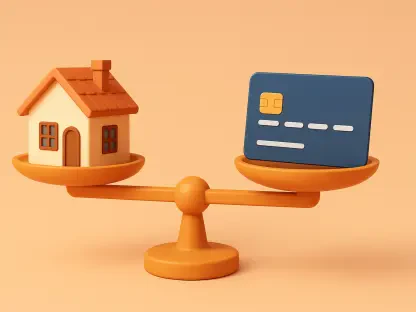

Many homeowners deliberately opt for lower coverage limits to maintain affordability as premiums rise, unknowingly increasing their exposure to total financial loss during a major event. This growing trend has created a massive discrepancy between what property owners believe they possess and the actual protection afforded by their policies, leaving millions of households vulnerable to catastrophic ruin. The situation is increasingly dire as construction costs soar and climate-driven disasters become more frequent, yet the standard insurance policy remains stuck in a bygone economic era. Financial experts and legal scholars now describe this as a burgeoning crisis that threatens the stability of the American middle class. When a disaster strikes, the realization that a policy covers only a fraction of the rebuilding cost often comes far too late to make meaningful adjustments. This systemic underinsurance is no longer just a localized risk in high-hazard areas but a pervasive national phenomenon that compromises the security of homeowners everywhere.
Economic and Structural Drivers: The Coverage Gap
Inflationary Pressures: The Rising Cost to Rebuild
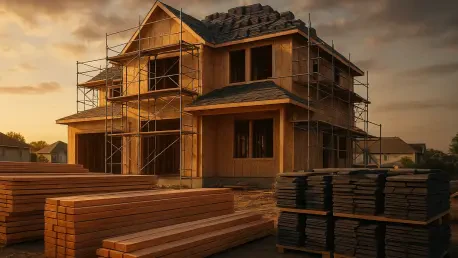
A primary driver behind this widening gap is the unprecedented surge in the cost of labor and building materials required for property restoration. Between 2022 and 2025, the expenses associated with property and casualty losses climbed by nearly 50 percent, fueled by global supply chain disruptions and a chronic shortage of skilled tradespeople. While homeowners may notice their premiums increasing, they rarely account for the fact that the actual cost to rebuild their specific structure has likely outpaced those premiums. For instance, the price of lumber, steel, and specialized electrical components has seen volatile swings that fundamentally alter the math of a total loss claim. Furthermore, the expense of compensating workers for residential construction rose significantly over the last decade, making it nearly impossible to replicate an existing home with a budget set only a few years ago. This economic reality has rendered many existing policy limits completely obsolete.
Because most homeowners fail to update their policy limits annually, their coverage remains anchored to outdated valuations that do not reflect the modern reality of the construction market. There is a common misconception that the market value of a home—what it would sell for on the open market—is the same as its replacement cost. In reality, the cost to clear debris and rebuild from the ground up often exceeds the market price, especially in neighborhoods where land value is low but construction costs remain high. This oversight leaves a dangerous margin where a homeowner might be insured for the purchase price of their home, only to discover that rebuilding it costs 20 to 30 percent more than that original figure. Without a professional appraisal or a modern replacement cost estimator, the average family is essentially gambling with their largest financial asset. The failure to adjust these figures in real-time creates a persistent deficit that only reveals itself during a crisis.
Hidden Hazards: Understanding Policy Exclusions
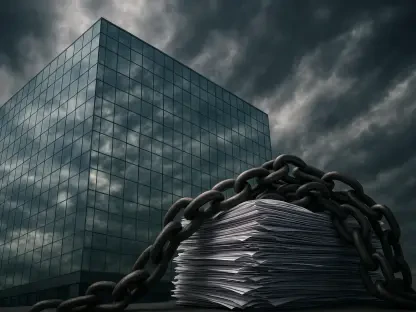
The inherent complexity of insurance documents often obscures the true extent of a homeowner’s exposure, making it difficult for the average person to identify gaps. Many policies utilize obscure terminology and dense legal formatting that allows providers to broaden exclusions and tighten monetary limits without triggering significant pushback from the public. This lack of transparency means that essential protections are often stripped away or capped at levels that haven’t kept pace with modern needs. For example, some insurers have shifted from replacement cost to actual cash value for specific components like roofs, which accounts for depreciation and leaves homeowners with massive out-of-pocket expenses. These subtle changes in policy language can save insurance companies billions while transferring the entire burden of financial risk onto the individual. As these contracts become more intricate, the disparity between perceived and actual coverage continues to expand significantly.
Regulatory shifts have also played a role in this crisis, as insurance departments in various states have allowed for more flexibility in how companies define and limit their liabilities. This has led to a market where the burden of decoding legal documents is placed entirely on the consumer, who may not have the expertise to understand the implications of a specific clause until a claim is filed. Research suggests that a broad portion of the American public does not fully comprehend the contracts they sign, often assuming that full coverage means protection against all possible perils. In truth, the standard homeowners policy is a limited instrument designed to cover specific, named risks while excluding others through fine print. This fundamental lack of consumer literacy regarding insurance mechanics is a primary factor in the underinsurance epidemic, as homeowners inadvertently agree to terms that prioritize low monthly costs over comprehensive financial safety at the worst possible time.
Proactive Strategies: Building Financial Resilience
Essential Protections: Add-Ons and Endorsements
To combat the rising costs of recovery in an inflationary environment, experts emphasize the necessity of Extended Replacement Cost coverage as a vital policy add-on. This specific protection provides a financial buffer, typically ranging from 25 to 50 percent above the stated policy limit, to account for localized spikes in construction prices that often follow a widespread disaster. When a major event like a hurricane or wildfire affects an entire region, the sudden demand for labor and materials causes prices to skyrocket, often far beyond the original estimates used to set policy limits. Homeowners with this endorsement are protected from these price surges, ensuring they have the funds necessary to rebuild even when market conditions are unfavorable. This buffer acts as an essential safeguard against the inherent unpredictability of the construction industry, providing peace of mind that a standard policy simply cannot offer in the face of a catastrophic regional event or localized crisis.
Another critical but frequently ignored protection is Ordinance or Law coverage, which has become indispensable for anyone owning an older residence in the current market. Most basic policies only cover the cost of repairing a home to its original condition, but they do not account for the additional expenses required to bring a damaged building up to current electrical, plumbing, and safety codes. When a significant portion of an older home is destroyed, local building departments often mandate that the entire structure be updated to meet modern standards during the repair process. Without this specific coverage, the homeowner is forced to pay out-of-pocket for mandatory upgrades like fire-resistant materials, modern wiring, or improved insulation. These costs can easily reach tens of thousands of dollars, creating a secondary financial crisis during the rebuilding process. Including this protection ensures that the transition to a safer, modern home does not become a source of bankruptcy for families.
Strategic Stewardship: Effective Recovery Solutions
The traditional approach of maintaining a policy without regular review is no longer a viable strategy for protecting one’s greatest financial asset in the modern landscape. Homeowners must now take an active role in auditing their coverage every year, moving beyond a simple review of the premium amount to a deep dive into the underlying limits and exclusions. This process involves consulting with independent agents who can provide a comprehensive analysis of how a specific policy would perform in a total loss scenario. As the insurance industry continues to tighten its requirements and adjust its risk models in response to escalating climate hazards, the responsibility for maintaining a sufficient safety net has shifted almost entirely to the individual. Proactive management includes regular property assessments and a willingness to pay slightly higher premiums for high-quality endorsements that eliminate the most dangerous gaps. Only through this level of engagement can a homeowner truly secure their financial future.
Forward-thinking homeowners who successfully navigated these challenges prioritized a comprehensive overhaul of their risk management strategies before any disaster occurred. They recognized that the outdated models of property protection were no longer sufficient to cover the true costs of modern reconstruction and localized hazards. By securing flood insurance, scheduling high-value assets, and adding extended replacement cost buffers, these individuals ensured that their financial recovery was a certainty rather than a gamble. This proactive shift toward education and specialized endorsements allowed many families to maintain their stability even when faced with total property loss. Ultimately, the transition from a passive consumer to an informed advocate proved to be the most effective defense against the growing underinsurance crisis. Those who took these actionable steps protected their wealth and provided a clear path forward for their families, transforming a potential catastrophe into a manageable recovery process.