
As the global population ages at an unprecedented rate, the intersection of biometric monitoring and daily lifestyle choices has become the primary frontier for maintaining independence in the home. For many older adults, the primary hurdle has never been a lack of interest in health data, but rather the overwhelming complexity of modern consumer electronics that often prioritize aesthetic flair over functional clarity. In 2026, the technology landscape has finally pivoted to address this gap, moving away from high-gloss gadgets toward durable, life-saving tools that integrate seamlessly into a person’s routine without requiring a computer science degree to operate. Reliability has replaced novelty as the most sought-after feature in the wearable market, specifically for those who require consistent oversight of chronic conditions and physical safety.
Modern wearables for seniors have evolved from simple emergency alert buttons into comprehensive wellness tools that provide a 360-degree view of physical health. These devices now allow for the constant monitoring of heart rate, sleep quality, and physical activity, provided they maintain a straightforward user experience and long-lasting battery life. The current generation of smartwatches and fitness trackers emphasizes proactive care, using sophisticated sensors to detect subtle physiological changes before they become acute medical emergencies. This shift reflects a broader trend in healthcare that values preventative measures and home-based monitoring as essential components of longevity. By focusing on accessibility and precision, these devices empower seniors to take control of their health journeys while offering their loved ones a necessary sense of security.
Focusing on User Experience and Interface Design
The Necessity: Clear and Accessible Displays
A legible and intuitive user interface is a recurring requirement for senior-oriented technology because visual clarity directly impacts how effectively a user can respond to health alerts. Brands like Apple and Amazfit have led the way by implementing high-brightness OLED displays and simplified operating systems that ensure vital health information is always easy to read, even in direct sunlight or for those with declining vision. The move toward high-contrast color schemes and adjustable font sizes has transformed these devices from complicated computers into accessible companions. Furthermore, the reduction of on-screen clutter allows users to focus on the most critical metrics, such as heart rate and step counts, without being distracted by unnecessary notifications or complex sub-menus.
The evolution of display technology has also introduced “always-on” capabilities that mimic the functionality of a traditional watch, reducing the cognitive load required to check the time or a biometric reading. Instead of requiring a specific wrist gesture or a button press, these screens provide instantaneous feedback at a glance. This accessibility is further enhanced by the use of scratch-resistant sapphire crystal and durable glass, ensuring that the interface remains clear over years of daily wear. By prioritizing these ergonomic and visual factors, manufacturers have managed to lower the barrier to entry for seniors who might otherwise feel intimidated by modern technology. The result is a device that feels less like a medical peripheral and more like a natural extension of the user’s daily attire.
Implementation: Intuitive Navigation and Feedback Systems
Beyond the visual aspect, the physical interaction with a wearable determines whether it will be used consistently or left on a bedside table. Many seniors prefer a combination of tactile buttons and responsive touchscreens, as physical buttons provide a “clicky” confirmation that an action has been performed. This haptic feedback is crucial for individuals who may experience reduced sensitivity in their fingertips or who struggle with the precision required for small touch targets. In 2026, the inclusion of customizable side buttons that can be programmed to launch specific health apps or trigger an emergency call has become a standard feature for senior-friendly designs. These physical shortcuts eliminate the need to navigate through multiple layers of software to find essential tools.
Voice-activated commands have also become a cornerstone of the modern user experience, allowing seniors to interact with their devices through natural language. Whether it is setting a medication reminder, asking for a heart rate reading, or dictating a message to a family member, voice integration removes the mechanical friction of small-screen interaction. When paired with high-quality speakers and clear auditory alerts, these devices can guide a user through their day with minimal physical effort. This multi-modal approach to navigation ensures that regardless of a user’s technical proficiency, they can access the full suite of health and safety features. By integrating these intuitive controls, manufacturers have successfully bridged the gap between advanced capability and daily usability.
Prioritizing Life-Saving Safety and Health Metrics
The Integration: Emergency Sensors and Daily Health Scores
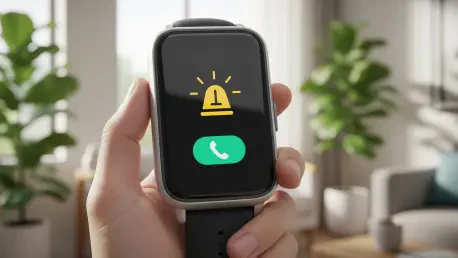
Safety features such as fall detection and automatic emergency alerts provide essential peace of mind for both the users and their families in an increasingly independent world. Advanced accelerometers and gyroscopes work in the background to identify the specific signature of a hard fall, and if the user is unresponsive, the device can automatically contact emergency services and share the wearer’s precise GPS coordinates. This rapid response capability is often the difference between a minor incident and a life-altering injury. Beyond mere crisis management, modern wearables now use sophisticated algorithms to synthesize complex biometric data into simple, daily readiness scores. These scores help seniors understand their current physical state by aggregating sleep data, activity levels, and heart rate variability into a single, easy-to-understand number.
These readiness scores serve as a vital guide for daily activity, advising the user when to push themselves and when to prioritize rest. For a senior managing a chronic condition, this level of insight is invaluable for avoiding overexertion and maintaining a stable baseline of health. Instead of having to interpret complicated charts or raw data points, the user is presented with actionable advice based on their unique physiological trends. This proactive approach to health monitoring encourages a more mindful lifestyle, where the wearer is consistently aware of how their habits affect their overall well-being. By combining emergency safeguards with daily wellness insights, these devices offer a comprehensive safety net that supports both physical health and psychological confidence.
Advanced Monitoring: Real-Time Biometrics and Predictive Analytics
The current generation of wearables has expanded far beyond simple step counting to include medical-grade sensors that monitor blood oxygen levels, skin temperature, and cardiac rhythm. Continuous heart rate monitoring allows the device to detect irregularities such as atrial fibrillation, often before the user experiences any outward symptoms. This real-time data collection is particularly useful for seniors who may have underlying cardiovascular issues that require constant oversight. By maintaining a continuous log of these vitals, the wearable provides a wealth of information that can be shared with healthcare providers during routine check-ups. This creates a more accurate picture of a patient’s health than the “snapshot” data typically gathered during a short clinical visit.
Furthermore, the integration of skin temperature sensors has introduced a new layer of illness detection, as subtle rises in body temperature can indicate the onset of an infection or inflammatory response. When these biometric data points are analyzed by artificial intelligence, the device can provide early warnings about potential health declines, allowing for earlier intervention. For many seniors, this predictive capability is a key factor in maintaining their independence, as it reduces the likelihood of sudden hospitalizations. The ability to monitor blood oxygen levels (SpO2) has also become standard, providing critical insights into respiratory health and sleep apnea. As these sensors become more precise and clinically validated, the wearable becomes an essential tool for the long-term management of geriatric health.
Detailed Analysis: Leading Wearable Models
High-Performance: Options for Major Smartphone Ecosystems
The Apple Watch SE 3 serves as a high-performance entry point for those already integrated into the Apple ecosystem, offering essential heart rate alerts and safety sensors in a familiar form factor. While it lacks some of the more advanced medical-grade features found in the flagship models, it provides a seamless user experience that is highly valued by seniors who appreciate consistency. The integration with the Health app on iPhone allows family members to view shared data, such as walking steadiness or high heart rate notifications, with the user’s permission. However, the daily charging requirement remains a significant factor to consider, as many seniors may find it difficult to remember to plug in their device every evening. Despite this, its robust emergency features make it a top contender for those prioritizing safety.
For Android users, the Samsung Galaxy Watch 7 delivers a powerful integrated experience with features like body composition analysis and dual-frequency GPS for accurate outdoor tracking. One of its standout functions is the energy score, which offers a holistic view of daily health that is particularly accessible to those who may be on a fixed income and looking for high value. The device’s ability to track muscle mass and body fat percentage provides a deeper look into physical fitness than traditional trackers, which is helpful for seniors focused on maintaining mobility. Its integration with the broader Android platform ensures that users can easily sync their data across multiple devices. While it offers a more complex feature set, the customizable interface allows users to hide advanced settings they do not need, keeping the experience straightforward.
Versatile Alternatives: Minimalists and Traditionalists
The Amazfit Active 2 provides a high-value alternative with cross-platform compatibility and an impressive ten-day battery life, making it ideal for those who dislike frequent charging. With its durable stainless steel frame and offline mapping capabilities, it is a perfect choice for active seniors who enjoy hiking or walking in areas with limited cellular service. The device focuses on providing core health metrics through an interface that is both bright and easy to navigate. By offering a balance between longevity and functionality, this model appeals to users who want a reliable tool that doesn’t require constant attention. Its affordability compared to major brand flagships also makes it an attractive option for budget-conscious individuals who still require accurate health tracking.
For those who prefer a completely unobtrusive experience, the Amazfit Helio Strap focuses on core metrics like blood oxygen and stress levels without the distraction of a screen. This lightweight band uses a simple color-coded system within its companion app to indicate health status clearly, making it the most comfortable option for 24/7 wear. Meanwhile, the Withings ScanWatch 2 appeals to those who prefer the aesthetic of a classic analog timepiece while still requiring robust medical data. It offers medical-grade ECGs and body temperature tracking alongside an exceptional thirty-day battery life, making it a reliable “set-it-and-forget-it” device. This hybrid approach ensures that seniors can enjoy the benefits of modern technology without sacrificing the traditional look of a standard wristwatch.
Market Evolution and Selection Standards
Understanding the Diversification: Specialized Senior Technology
The current market for senior wearables has successfully diversified into specialized tiers, including hybrid designs, screenless trackers, and essential safety models. This shift away from a “one-size-fits-all” approach allows users to select technology that specifically aligns with their lifestyle, physical capabilities, and health needs. In 2026, the industry has recognized that a marathon-running retiree has very different requirements than a senior focusing on stroke recovery or balance maintenance. This diversification has led to the development of niche products that prioritize specific functions, such as high-decibel alarms for the hard of hearing or ultra-soft straps for those with sensitive skin. The result is a marketplace where every individual can find a device that feels personalized to their specific situation.
Moreover, the software backing these devices has become more modular, allowing users to toggle features on or off based on their comfort level with technology. For many, the goal is not to have the most features, but to have the most relevant ones functioning perfectly every time. This maturation of the industry has also brought about better data privacy standards, ensuring that sensitive medical information is protected while still being accessible to emergency responders when necessary. As the technology continues to evolve, the focus remains on enhancing the quality of life through discreet but powerful monitoring. This evolution represents a significant step forward in the democratization of healthcare technology, making it more inclusive and effective for the aging population.
Establishing the Core Pillars: Senior-Friendly Design
Evaluating whether a wearable is truly senior-friendly depends on several core pillars, such as ease of setup, text legibility, and physical comfort. A device that is difficult to configure or requires constant syncing with a smartphone often ends up unused, defeating its purpose as a safety tool. Manufacturers have begun to address this by offering “out-of-the-box” connectivity and pre-configured settings that minimize the initial technical burden on the user. Additionally, the physical design of the charging mechanism has seen improvements, with magnetic docks and wireless charging pads becoming the standard to accommodate those with limited manual dexterity. These small but significant design choices ensure that the technology remains a helpful companion rather than a source of frustration.
The final pillar of successful senior-friendly design is the delivery of actionable data rather than overwhelming raw numbers. These devices empower older adults to manage their health with confidence and independence by translating complex biometrics into practical advice. For example, instead of simply stating a heart rate variability score, the device might suggest a breathing exercise or a shorter walk for the day. This level of guidance fosters a sense of agency, allowing seniors to make informed decisions about their daily routines. By focusing on these core pillars, the wearable industry has created a sustainable model for supporting the health and safety of the elderly. This approach ensures that as technology advances, it remains grounded in the practical realities of those it is intended to serve.
Transitioning Toward Proactive Independence and Long-Term Wellness
The shift toward specialized health wearables for seniors reflected a broader societal transition from reactive medical care to proactive wellness management. Users who adopted these devices in 2026 found that the combination of fall detection and continuous biometric tracking provided a level of security that was previously unavailable outside of a clinical setting. Families experienced reduced anxiety as they monitored the well-being of their aging relatives through shared health dashboards and automatic alerts. This trend underscored the importance of designing technology that prioritized the user’s dignity and ease of use, ensuring that the benefits of the digital age were accessible to all generations regardless of their technical background.
Moving forward, the industry prioritized the integration of these devices with telehealth services, allowing for more efficient communication between patients and doctors. Seniors were encouraged to select devices based on their specific health priorities, whether those involved cardiac health, mobility tracking, or simple emergency safety. The success of these wearables demonstrated that when technology is designed with empathy and precision, it serves as a powerful tool for extending independence and improving the overall quality of life. As these devices became more ubiquitous, the focus remained on refining the accuracy of sensors and further simplifying the user interface to ensure that the primary goal of health and safety was always met.