
A broken boiler during a cold snap creates an immediate safety crisis, yet standard buildings insurance rarely covers the cost of repairing the unit itself. This harsh reality is often the first lesson homeowners learn when the thermometer drops, revealing a significant disconnect between perceived protection and the actual fine print of their policies. As weather patterns become more volatile in 2026, the complexity of modern climate shifts has led to a surge in insurance claims that frequently hit administrative or contractual roadblocks. While many assume that paying a premium guarantees a comprehensive safety net against the elements, the truth is that standard coverage is often built upon narrow definitions of what constitutes a valid claim. Recent industry data suggests that weather-related damages have reached record levels, yet the gap in consumer understanding regarding specific exclusions remains a primary driver of financial stress during the winter season. Protecting a property requires a more nuanced approach than simply renewing an existing policy without reviewing the latest terms and conditions.
Navigating Flood and Storm Exceptions
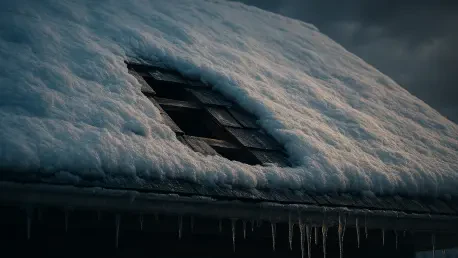
High winds and heavy snowfall are the most visible threats during the winter months, yet insurance adjusters frequently look beyond the immediate event to determine the underlying cause of damage. A common point of contention arises when a storm compromises a roof, leading to interior water damage. If an inspection reveals that the shingles were already deteriorating or that the flashing was poorly maintained prior to the wind gust, the insurer may classify the incident as wear and tear rather than accidental damage. This distinction is critical because standard policies generally exclude any issues resulting from a lack of proactive maintenance. Statistics indicate that only about one-quarter of standard buildings insurance policies include accidental damage as a default feature, meaning that for the vast majority of homeowners, unforeseen mishaps are not covered unless an additional premium was paid. This creates a precarious situation where a homeowner might be left responsible for thousands of dollars in repairs despite having what they believed to be full coverage for structural failures.
Flooding represents another significant area of vulnerability, particularly as heavy rainfall becomes more frequent during the early months of the year. While standard policies typically provide coverage for sudden external flooding events, such as a river bursting its banks or a high tide overwhelming coastal defenses, there is a substantial hidden exclusion regarding groundwater. Groundwater flooding occurs when the water table rises slowly through the soil after weeks or months of consistent rain, eventually seeping through foundations or floorboards. Current analysis of the insurance market shows that over half of standard products explicitly exclude damage caused by this gradual rise of water. For the homeowner, the result is the same as a flash flood—ruined flooring and structural instability—but the insurance outcome is drastically different. Furthermore, outdoor contents like patio furniture or unanchored sheds are frequently excluded from coverage if they were not moved to a secure location before a forecasted storm, placing the burden of risk mitigation squarely on the shoulders of the property owner during peak weather cycles.
Plumbing Emergencies and Maintenance Requirements
Plumbing failures, especially burst pipes caused by freezing temperatures, are among the most expensive and disruptive claims filed during the winter season. While nearly every standard policy covers the resulting water damage from such an event, the approval of these claims is often contingent upon strict occupancy and heating requirements. For instance, many insurers mandate that if a home is left unoccupied for a specified period, the heating must remain active at a minimum temperature or the water supply must be completely drained. Failure to adhere to these stipulations can lead to a flat rejection of the claim if a pipe bursts in an unheated basement or attic. Moreover, the age and condition of the plumbing system are scrutinized; if a leak is traced back to corroded pipes or decaying sealant in a bathroom, the insurer will likely argue that the damage was a foreseeable result of maintenance neglect. This focus on the sudden and accidental nature of the event means that slow, ongoing leaks are rarely covered, forcing homeowners to maintain a rigorous inspection schedule to ensure their coverage remains valid.
There is often a profound misunderstanding regarding the difference between standard buildings insurance and home emergency cover, a distinction that becomes painfully clear when a pipe bursts at midnight. Standard buildings insurance is designed to cover the cost of repairing the property damage, such as replacing soaked drywall or ruined carpeting, but it typically does not pay for the emergency call-out of a plumber to stop the initial leak. Home emergency cover is a separate product, or an optional add-on, that facilitates the rapid dispatch of a technician and covers the immediate labor costs. In the current market, only a small fraction of standard policies include this service as a default benefit. Without it, homeowners must find and pay for their own emergency services during high-demand periods when contractors are most stretched. This separation of services means that even if an insurer eventually pays for the restoration of the house, the initial cost of addressing the mechanical failure and the immediate repairs to a boiler or plumbing line remains the financial responsibility of the policyholder, adding a layer of unexpected out-of-pocket expenses.
Pest Infestations and Effective Claim Management
As outdoor temperatures plunge, rodents and other pests naturally seek the warmth and shelter provided by residential properties, leading to a surge in infestations that many homeowners incorrectly assume are covered by their primary insurance. Standard buildings and contents policies almost never include the cost of professional pest removal or vermin treatment as a core feature. This service is typically found only within specialized home emergency extensions, which are often overlooked during the policy selection process. However, a significant nuance exists regarding the secondary damage caused by these intruders. While the removal of a rat or mouse is an out-of-pocket expense, the resulting damage—such as a fire ignited by a rodent chewing through electrical wiring or a flood caused by gnawed plastic pipes—is generally covered under the standard fire or water damage clauses of the policy. Understanding this distinction allows homeowners to better manage their expectations and recognize that while the cause of the problem might be an excluded service, the catastrophic consequences of that problem may still be eligible for a reimbursement claim if documented correctly.
To secure a favorable outcome after a winter disaster, homeowners should have prioritized immediate action and comprehensive evidence collection throughout the entire claims process. Contacting the insurer’s 24-hour helpline immediately after discovering damage was the most critical step in establishing a timeline and ensuring that any required emergency housing or repairs were authorized. Those who successfully navigated these challenges were diligent in documenting every detail, taking high-resolution photographs of the damage, and keeping every receipt for temporary repairs or professional call-outs. It was essential that damaged items were not discarded until an adjuster had the opportunity to inspect them, as premature disposal often led to a reduction in the final valuation. Moving forward, the most effective strategy involved a shift toward proactive weatherproofing and the addition of specific riders for accidental damage and home emergency response. By conducting annual maintenance on roofs and boilers and verifying the specific groundwater exclusions in their contracts, property owners were able to transform their insurance from a limited safety net into a robust financial shield against the inevitable seasonal volatility of the coming years.