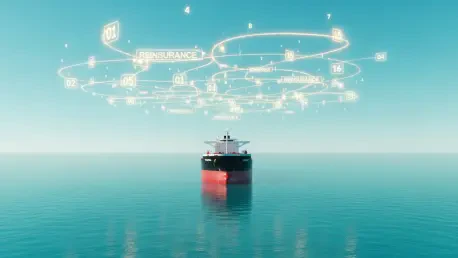

The thin, shimmering stretch of water known as the Strait of Hormuz has long been the primary jugular of the global energy trade, yet recent hostilities have turned it into a financial graveyard for the shipping industry. When Brent crude prices surged past $91 a barrel recently, the spike was not merely a reflection of physical scarcity but a signal of a deep-seated systemic fear. As drone strikes and naval mines move from theoretical threats to daily hazards, the U.S. government has been forced to look beyond traditional naval escorts. Instead, it is deploying a multi-billion dollar financial shield to keep the oil flowing through these contested waters.
A Multi-Billion Dollar Shield for the Strait of Hormuz
This strategy marks a significant departure from standard military deterrence, focusing instead on the invisible economic structures that support global commerce. By stepping into the volatile world of maritime underwriting, Washington is effectively using capital as a bulkhead against the escalating costs of conflict. The goal is to prevent a localized military confrontation from spiraling into a global economic depression by ensuring that the ships carrying the world’s energy stay on the move.
This intervention acknowledges that the modern battlefield is as much about balance sheets as it is about ballistics. When private insurers retreat from high-risk zones, the resulting vacuum can freeze entire supply chains. By providing a state-backed safety net, the U.S. aims to restore confidence among shipowners who are currently caught between the necessity of global energy delivery and the very real prospect of total financial ruin.
The Financial Paralysis of Global Oil Transit
While the physical threat of missiles is the most visible deterrent to trade, the invisible barrier of insurance premiums is what truly halts the flow of energy. The Strait of Hormuz facilitates the passage of approximately 20 million barrels of oil daily, yet prohibitive “war risk” surcharges have rendered many of these voyages commercially non-viable. Shipowners face a harrowing dilemmrisking a multi-million dollar asset without coverage or idling their fleets and watching global energy prices skyrocket.
The absence of affordable coverage creates a secondary supply chain crisis that is often more damaging than the kinetic attacks themselves. Even if a vessel is never targeted, the mere possibility of an incident can trigger a 1,000% increase in insurance costs within days. This financial volatility acts as a silent blockade, effectively closing the strait to all but the most desperate or state-subsidized operators.
The DFC-Chubb Partnership: Architecture of the Reinsurance Program
At the heart of this initiative lies a strategic alliance between the U.S. International Development Finance Corporation (DFC) and Chubb, a titan in the private insurance sector. The centerpiece is a $20 billion rolling reinsurance commitment designed to absorb the extreme financial shocks that private markets currently refuse to touch. This massive backstop allows the program to cover hull and machinery damage, as well as cargo losses and environmental liabilities that might result from an attack.
Chubb’s operational role is to act as the primary interface for the shipping industry, issuing policies that would otherwise be deemed too risky. This public-private architecture is designed to be scalable; the DFC is already actively recruiting additional private insurers to join the framework. By spreading the risk across a broader public-private safety net, Washington hopes to create a resilient financial infrastructure that can withstand prolonged periods of geopolitical instability.
The Human Element: Why Financial Protection Is Not a Panacea
Despite the robust $20 billion financial architecture, industry experts and maritime unions warn that “paper protection” cannot neutralize the physical dangers of a live conflict zone. A ship can be replaced, and cargo can be reimbursed, but the safety of the crew remains a non-negotiable factor. Many sailors have expressed deep reluctance to enter high-risk waters, regardless of how well the vessel is insured, as no policy can compensate for the trauma or loss of life associated with a missile strike.
The limits of insurance are further highlighted by the persistence of kinetic warfare. Recent reports from the UK Maritime Trade Operations have shown that even with increased financial safeguards, drone and missile technology continues to evolve, making it harder to protect vessels in real-time. Market sentiment remains stubbornly sensitive to military escalations; oil prices continue to react to every explosion, suggesting that investors view insurance as a palliative measure rather than a cure for regional instability.
Navigating the New Landscape of Geopolitical Risk Management
For shipowners, energy traders, and policy analysts, this U.S.-backed scheme introduces a new framework for operating in contested waters. To qualify for DFC-backed coverage, vessels must meet specific criteria regarding safety protocols and cargo transparency. This creates a regulated corridor of trade where insurance is not just a cost, but a tool for stabilizing shipping expenses and mitigating the “risk premium” that is inevitably passed on to consumers at the pump.
Looking ahead, the success of this program will likely be measured by the correlation between insurance uptake and the actual resumption of trade volumes. Stakeholders must now monitor de-escalation triggers and the potential for this model to be applied to other maritime chokepoints. While the financial architecture for recovery was successfully established, the ultimate stability of global energy markets still depended on the gradual reduction of physical threats and the long-term diplomatic resolution of the underlying tensions.