
The deliberate orchestration of high-speed collisions on American interstates has evolved from isolated insurance scams into a sophisticated multi-billion-dollar criminal industry that threatens the safety of every driver on the road today. The introduction of the Staged Accident Fraud Prevention Act represents a pivotal moment in the federal government’s approach to highway safety and economic protection. Senator Ashley Moody has spearheaded this legislative effort to transition the prosecution of engineered truck collisions from the realm of civil insurance litigation to the status of a serious federal felony. By establishing this high-level legal framework, the bill acknowledges that these incidents are not merely financial disputes but are pre-meditated criminal acts that endanger lives and destabilize the logistics networks essential to the American economy. The move toward federalization is designed to provide the Department of Justice and other federal agencies with the necessary tools to pursue nationwide investigations, effectively crossing the jurisdictional lines that often hinder state-level authorities. This proactive stance is a direct response to the alarming frequency of these events, which have increasingly utilized coordinated tactics to exploit the vulnerabilities of the trucking sector and the broader commercial insurance market. As the legislation gains traction, it signals a new era of accountability where the safety of the public and the integrity of the transportation industry are given priority over the predatory interests of organized fraud syndicates.
The Anatomy: Mechanics of Organized Highway Fraud
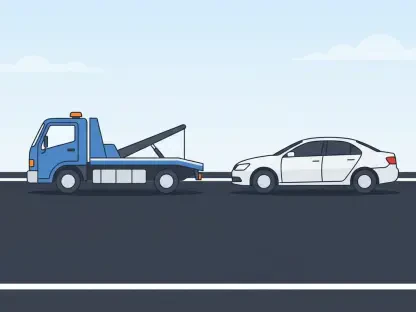
Organized highway fraud is characterized by a highly structured hierarchy that functions with the precision of a corporate enterprise, utilizing various actors to ensure the success of a staged collision. At the street level, these operations employ “slammers” who operate the passenger vehicles used to cause the accident, and “spotters” who follow in separate cars to identify potential targets and signal the optimal moment for impact. These teams often target commercial trucks due to their perceived deep pockets and the high-value insurance policies required by federal law. The “swoop and squat” is the most common maneuver, where one vehicle cuts in front of a truck while another forces a sudden stop, leaving the truck driver with no time to react and virtually no way to avoid a rear-end collision. These criminals are trained to create a scenario that looks like a routine traffic mishap on paper but is actually a carefully choreographed assault designed to maximize the appearance of liability for the trucker. The danger is not limited to the physical crash itself; these maneuvers often occur in heavy traffic, putting innocent commuters at risk for the sake of a fraudulent insurance claim.
Beyond the physical execution of the crash, the conspiracy relies on a support network of “runners” and facilitators who connect the participants with corrupt professional services. In many instances, federal investigators have identified rings where the fraud extends into the offices of unethical attorneys and medical providers who specialize in legitimizing fraudulent claims. These professionals fabricate medical records, exaggerate soft-tissue injuries, and file aggressive lawsuits to pressure trucking companies into large settlements. The level of organization is so profound that some criminal groups have even resorted to violent tactics, including witness intimidation and, in extreme cases, murder, to prevent the exposure of their illicit operations. By treating these incidents as serious federal crimes, the new legislation aims to dismantle these syndicates from the top down, recognizing that the street-level crash is only the visible tip of a much deeper criminal iceberg. This shift in legal status reflects the reality that staged accidents are not victimless crimes but are dangerous premeditated activities that require a coordinated federal response to neutralize the risk to public safety and the economy.
Economic Fallout: Impact on Supply Chain Resilience
The financial repercussions of organized truck accident fraud ripple through every level of the American economy, contributing significantly to the phenomenon known as “social inflation” and the rise of nuclear verdicts. When a trucking company is targeted by a fraudulent claim, the resulting litigation often leads to settlements or jury awards that far exceed the actual damages incurred. These astronomical payouts, which frequently reach into the millions of dollars, force insurance providers to raise premiums across the entire transportation sector to compensate for the increased risk. For small and medium-sized carriers, these soaring insurance costs can become an insurmountable barrier to entry or a reason for business failure, leading to a reduction in available freight capacity. This volatility in the insurance market creates a climate of uncertainty that hinders long-term planning and investment in new equipment and safety technologies. Furthermore, the legal defense costs associated with fighting even a clearly fraudulent claim can drain a company’s resources, diverting funds that could otherwise be used to improve driver wages or implement more robust safety training programs.
The burden of these fraudulent activities is ultimately borne by the American consumer in the form of higher prices for essential goods and services. As trucking companies face higher operating costs due to insurance premiums and legal fees, they are forced to adjust their shipping rates to maintain viability. These increased logistics costs are then passed down the supply chain from manufacturers to wholesalers and eventually to retail shelves, affecting the cost of everything from fresh produce to construction materials. Major trade organizations, including the American Trucking Associations, have emphasized that reducing the frequency of staged accidents is a critical step in stabilizing the national supply chain and protecting household budgets from artificial inflation. By deterring fraud through federal oversight, the Staged Accident Fraud Prevention Act serves as an economic safeguard, ensuring that the cost of moving freight remains tied to market demand and operational efficiency rather than the predatory actions of criminal rings. Protecting the logistics network from these external shocks is essential for maintaining the competitive edge of American businesses in an increasingly interconnected global market.
Operational Risks: Protecting Drivers and Essential Networks
For professional truck drivers, a staged accident is more than a legal or financial headache; it is a direct threat to their livelihood and professional reputation. When a driver is involved in a collision that appears to be their fault, they face the immediate risk of losing their Commercial Driver’s License or having their safety rating severely downgraded. For independent owner-operators, the consequences are even more severe, as a single fraudulent claim can result in the loss of insurance coverage, effectively putting them out of business overnight. The psychological toll on drivers who have been victimized by these schemes is also significant, as they must deal with the stress of false accusations and the physical trauma of a collision while trying to defend their integrity. The proposed federal protections are intended to provide these essential workers with a more robust defense against malicious prosecution and fraudulent claims. By establishing a federal standard for investigating these accidents, the legislation ensures that professional drivers are not unfairly penalized for incidents that were beyond their control and were specifically designed to make them look negligent.
The risk profile of staged accidents varies significantly across different sectors of the transportation industry, with high-stakes logistics networks being particularly vulnerable. Tank truck carriers transporting hazardous materials or high-value chemicals are often targeted because the potential for environmental damage or public danger increases the pressure on the carrier to settle a claim quickly. Similarly, foodservice distributors and pharmaceutical transporters face unique challenges, as any disruption to their delivery schedules can have immediate impacts on the availability of temperature-sensitive medicines and perishable food supplies. Criminal organizations capitalize on the time-sensitive nature of these deliveries, knowing that the threat of a long legal battle may compel a company to pay a fraudulent claim rather than risk a delivery failure or a public relations crisis. The shift toward federal oversight is expected to strengthen the resilience of these critical sectors by providing a stronger deterrent and a more efficient pathway for reporting suspected fraud. This focused intervention helps ensure that the nation’s most sensitive supply chains remain secure and that the people who operate them are protected from coordinated criminal interference.
Strategic Enforcement: Dismantling Fraud Networks via Federal Oversight
A foundational element of the Staged Accident Fraud Prevention Act is its focus on the professional infrastructure that enables large-scale insurance fraud to flourish. The legislation introduces strict criminal penalties for white-collar participants, specifically targeting attorneys, healthcare providers, and administrative facilitators who knowingly participate in the fabrication of legal and medical claims. By removing the profit motive for these professionals, the bill seeks to collapse the business model that makes organized staged accidents lucrative. Currently, state-level statutes often treat insurance fraud as a low-priority offense, which allows corrupt professionals to operate with relative impunity across multiple jurisdictions. The federalization of these crimes changes the risk calculation for those involved, as federal investigations carry the weight of more extensive resources, mandatory sentencing guidelines, and a higher conviction rate. This strategic focus on the “back office” of fraud is designed to sever the link between the street-level crash and the final payout, making it significantly more difficult for criminal syndicates to monetize their illegal activities on the highway.
The shift to federal jurisdiction also addresses the logistical challenges posed by criminal organizations that operate across state lines to evade detection. By utilizing the authority of the Federal Bureau of Investigation and the Department of Transportation’s Office of Inspector General, law enforcement can track patterns of fraud that might seem like isolated incidents to local police departments. This macro-level view allows federal authorities to identify the common denominators in suspicious claims, such as the same law firms or medical clinics appearing in cases across different states. Bipartisan support for the bill reflects a growing consensus that highway fraud has become a national security and economic issue that transcends local boundaries. The act provides for enhanced information sharing between insurance companies, state authorities, and federal agencies, creating a unified front against sophisticated fraud networks. This comprehensive approach ensures that those who endanger the public for a fraudulent payday are held accountable under the full weight of federal law, providing a much-needed layer of protection for the American trucking industry and the millions of drivers who share the road with commercial vehicles.
Implementation Strategy: Future Safeguards for the Logistics Sector
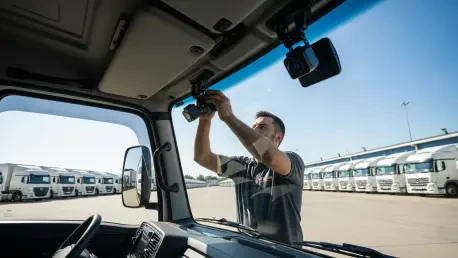
In response to the evolving landscape of highway fraud, the trucking industry adopted more rigorous documentation standards and integrated advanced telematics to create an indisputable digital record of every incident. Fleet managers began prioritizing the installation of dual-facing cameras that provided high-definition evidence of driver behavior and external conditions at the moment of impact. This technological shift, combined with the new federal legal protections, significantly lowered the success rate of staged accident rings by providing investigators with clear visual proof of pre-meditated maneuvers. Industry stakeholders also organized comprehensive legal defense funds to support independent operators who faced the greatest risk from predatory litigation. By focusing on proactive data collection and centralized reporting, the sector moved toward a more resilient operational model that prioritized safety and integrity. These collective actions ensured that the legislative framework provided by the federal government was supported by robust private-sector defenses. Ultimately, the industry established a culture of zero tolerance for highway fraud, which effectively stabilized insurance costs and enhanced the long-term reliability of the national supply chain.
As the implementation of the new federal standards progressed, commercial carriers expanded their safety protocols to include specialized training for drivers on how to identify and report suspicious vehicle behavior before a collision occurred. This early detection strategy became a vital component of the industry’s defense, allowing drivers to alert authorities to potential “spotters” or “slammers” operating in their vicinity. Collaborative efforts between trucking associations and federal law enforcement led to the creation of a national database for reporting suspected fraud, which streamlined the investigation process and made it easier to prosecute interstate criminal rings. The integration of artificial intelligence in analyzing claim patterns further enhanced the ability of insurers to flag fraudulent activity before significant payouts were made. These advancements fostered a more transparent environment where legitimate claims were processed efficiently while fraudulent ones were met with immediate legal scrutiny. As a result, the transportation sector achieved a higher level of security, ensuring that the roads remained safer for all travelers and that the economic vitality of the nation was preserved through more honest and accountable business practices.