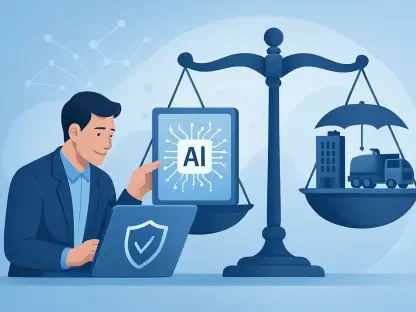

I’m thrilled to sit down with Simon Glairy, a renowned expert in insurance and Insurtech, whose deep expertise in risk management and AI-driven risk assessment has made him a leading voice in the cyber insurance space. With a career dedicated to helping businesses navigate the ever-changing landscape of digital threats, Simon brings a wealth of insight into how innovative tools and strategies are reshaping the industry. Today, we’ll explore the transformative role of self-service platforms in cyber resilience, the impact of rising cyber threats, and the evolving nature of insurance as a proactive risk management tool.
How have self-service platforms changed the way small and mid-market businesses manage cyber risks, and what does the activation process look like for a typical policyholder?
I’m really excited about how self-service platforms are empowering businesses, especially smaller ones, to take control of their cyber resilience. These tools put enterprise-grade security right at their fingertips through intuitive policy dashboards. For a typical policyholder, the process is quite straightforward: they log into their dashboard, browse a curated list of services like managed detection or identity monitoring, and with just a few clicks, they can request or activate a tool that fits their needs. There’s no middleman, no lengthy approval process—just direct access. I recall working with a small retail business that activated identity monitoring through a similar platform; within days, they detected a phishing attempt targeting their staff and were able to shut it down before any damage was done. That moment of quick response gave them a sense of security they hadn’t felt before, and it’s a testament to how these platforms bridge the gap between complex cybersecurity and everyday business owners.
What do you see as the key factors behind the dramatic increase in cyber insurance claims, and how can resiliency services help curb this trend?
The surge in claims—to a staggering 33,561 as reported in recent industry data—is a clear signal of how pervasive and persistent cyber threats have become. This rise is driven by a mix of factors: more businesses digitizing operations, a growing attack surface with remote work, and attackers getting craftier, often leveraging AI to scale their efforts. It’s a relentless storm out there, and many small to mid-sized firms just aren’t equipped to weather it alone. Resiliency services step in as a lifeline, offering proactive tools like real-time monitoring and employee training to stop incidents before they spiral into claims. I’ve seen companies cut down on potential breaches by integrating these services; for instance, a mid-sized firm I advised used awareness training from their platform and saw a noticeable drop in phishing clicks among staff within months. It’s not just about reacting after the fact—it’s about building a culture of prevention, and these services are pivotal in making that shift feel achievable.
With cyber attacks growing in both volume and sophistication, especially with AI-enhanced techniques, how are these evolving threats influencing the development of cyber tools for policyholders?
The threat landscape today is like a chess game where the opponent keeps getting smarter and faster, especially with AI turbocharging attack methods. We’re seeing everything from tailored phishing campaigns to automated ransomware exploits, and it’s forcing us to rethink how we design cyber tools. Developers are now focusing on adaptability—tools that can learn and respond to new threats in real time. For instance, managed detection services on self-service platforms are being built with machine learning to spot anomalies that might signal an AI-driven attack, often before a human analyst would notice. I’ve spoken with policyholders who’ve used these detection tools and felt a palpable relief knowing something was watching their network 24/7. One client, a small logistics firm, told me how their system flagged unusual login attempts late at night—turns out, it was a precursor to a potential breach. That early warning saved them from a disaster, and it shows how these tools are evolving to keep pace with threats that never sleep.
Can you walk us through the process of selecting and vetting cybersecurity services for self-service platforms, and highlight a specific tool that’s made a significant impact for clients?
Selecting services for these platforms is a meticulous process, and it has to be because we’re dealing with people’s livelihoods. It starts with identifying the most pressing needs of small and mid-market businesses—things like affordability, ease of use, and real impact. Each potential tool goes through rigorous testing by cybersecurity teams to ensure it performs under pressure and integrates seamlessly with existing systems. We also negotiate discounted pricing to make sure these solutions don’t break the bank. One standout has been identity monitoring services; I worked with a client, a family-run accounting firm, that activated this tool and caught stolen credentials being sold on the dark web. They were able to lock down accounts and reset everything before any funds were touched—it was like dodging a bullet. Seeing their relief, knowing their business was safe, underscored for me why vetting for quality and accessibility is non-negotiable.
As cyber insurance shifts toward real-time risk management, how do you see the traditional role of post-loss compensation evolving, and what benefits does this proactive approach bring to businesses?
Cyber insurance is undergoing a profound transformation—it’s no longer just a safety net for after things go wrong; it’s becoming a shield you wield every day. Traditional post-loss indemnification will always have a place, but its role is shrinking as we emphasize prevention over payout. Pairing coverage with real-time monitoring and resiliency services creates a dynamic where businesses aren’t just waiting for disaster—they’re actively fortifying their defenses. This proactive stance can save time, money, and heartache. Take a small e-commerce business I advised: by using dashboard-integrated monitoring, they identified vulnerabilities in their payment system months before a major shopping season. Fixing those issues early meant they avoided a breach during their busiest time—imagine the stress and loss they sidestepped. This shift to real-time management gives businesses a fighting chance to stay ahead of threats, and I believe it’s the future of how we’ll view insurance altogether.
What is your forecast for the future of cyber insurance and self-service resiliency tools in combating digital threats?
Looking ahead, I see cyber insurance and self-service tools becoming even more intertwined and indispensable as digital threats continue to morph. With attack sophistication on the rise, I expect these platforms to integrate even deeper AI capabilities, not just for detection but for predictive risk modeling—essentially warning businesses of threats before they materialize. We’ll likely see broader adoption among small businesses as awareness grows and as these tools become more user-friendly and affordable. I’m also betting on a cultural shift where cyber resilience is as routine as locking your front door at night. It’s an exciting, if daunting, horizon, and I’m curious to see how policyholders and insurers collaborate to stay one step ahead of cybercriminals in this fast-evolving game.