
The sudden and violent destruction of a United States Army AH-64 Apache helicopter by Iranian forces near the strategically vital Strait of Hormuz has shattered the fragile status quo that previously governed this narrow maritime gateway. While the world had grown accustomed to simmering tensions and occasional harassment of commercial tankers, the direct downing of a military asset marks a definitive shift from psychological posturing to active kinetic warfare. President Trump has since abandoned the cautious diplomatic language of his predecessors, explicitly naming Iran as the perpetrator and authorizing a series of military actions that have effectively turned the region into a hot zone. For the global shipping industry, which facilitates the passage of approximately one-fifth of the world’s total petroleum consumption through these waters, the implications are profound and immediate. The transition from managed friction to an open military confrontation has forced a radical reassessment of what it means to operate in a corridor that is now considered a theater of war.
Tactical Evolution: Technological Milestones and Kinetic Threats
In a remarkable display of emerging military technology, a sea drone operated by the U.S. 5th Fleet’s Task Force 59 successfully executed a rescue mission for the two downed Apache pilots within a narrow two-hour window following the crash. This operation represents the first documented instance of an uncrewed surface vessel being utilized for a combat search and rescue mission in a contested maritime environment, highlighting the rapid advancement of autonomous naval systems. However, this technical success has done little to calm the nerves of the international shipping community, as the broader geopolitical fallout continues to intensify across the Persian Gulf. The use of such sophisticated technology in a real-world crisis underscores the dual nature of modern maritime security, where advancements in autonomous defense are simultaneously met by equally lethal offensive capabilities from regional actors. While the pilots were safely recovered, the presence of these advanced uncrewed systems in a combat capacity has signaled to global markets that the traditional rules of engagement have been fundamentally rewritten.
This evolution in naval warfare marks a departure from the gray zone tactics that have characterized Iranian regional operations for many years, moving instead toward a direct military engagement with American forces. Underwriters and shipowners are currently grappling with the reality that their vessels are no longer merely subjects of inspections or temporary detentions but are potential collateral in a high-stakes escalatory cycle. The psychological impact of an American military response acting as a depth charge for the global economy cannot be overstated, as it suggests that any further transit through the Strait carries the risk of total loss. Formal investigations by international maritime bodies may conclude that the incident was a targeted strike, but the uncertainty regarding the scope of future retaliation keeps the global energy market on edge. As private companies weigh the costs of maintaining these routes, the focus has shifted from managing operational delays to surviving a potential multi-stage conflict that shows no signs of de-escalating in the immediate future.
Economic Insulation: Policy Backstops Versus Physical Reality
There is an increasingly visible disconnect between the policy-driven solutions proposed by the United States government and the objective financial assessments made by the global marine insurance market. Washington has moved to stabilize the situation by announcing a $40 billion reinsurance backstop through the Development Finance Corporation, intending to provide a safety net for shippers who find traditional coverage unattainable. The logic behind this move assumes that the primary barrier to continued trade is a lack of available capital or the reluctance of private insurers to handle such high-value liabilities in a volatile region. However, critics within the industry argue that this approach ignores the fundamental problem: no amount of financial compensation can mitigate the physical danger posed to crews, vessels, and their cargo. A government-backed policy might cover the financial loss of a sunken tanker, but it does nothing to prevent the catastrophic environmental and human consequences of a missile strike, nor does it address the logistical nightmare of a blocked shipping lane.
Market leaders from the Lloyd’s Market Association have emphasized that the safety of the vessel itself remains the ultimate deterrent for any shipowner, regardless of the level of insurance coverage available. The promise of U.S. military retaliation, while intended to project strength, has arguably made the Strait of Hormuz more hazardous by increasing the likelihood of spontaneous skirmishes and miscalculations. Consequently, the commercial appetite for risk in the Middle East has reached its lowest point in modern history, with many firms considering a total suspension of services through the Persian Gulf. This environment has created a paradoxical situation where insurance might technically be available on paper due to government intervention, but the actual cost of premiums and the severity of the caveats make it functionally useless for standard commercial operations. As energy supply chains become increasingly fragile, the global economy is left vulnerable to a scenario where the world’s most vital chokepoint is rendered unworkable by the sheer intensity of the physical threats present.
Future Outlook: Geopolitical Maneuvers and Strategic Resilience
In a move that highlights the strategic complexity of the current crisis, Iranian authorities have launched their own specialized maritime insurance platform known as Hormuz Safe, which utilizes cryptocurrency for transactions. This platform is designed to provide coverage against vessel detention and seizure, effectively allowing Tehran to profit from the very instability its own military forces have helped to create. By accepting digital assets, Iran is attempting to bypass traditional Western financial sanctions and create a closed-loop system that appeals to shipowners who are desperate to maintain some form of protection in the region. However, the fine print of these policies specifically excludes damage resulting from kinetic military strikes, meaning that the platform offers no protection against the actual weaponry being deployed by the Iranian Revolutionary Guard. Western analysts view this initiative as a cynical tool of political leverage rather than a legitimate financial product, warning that it serves to further complicate the risk profile for international underwriters who must now compete with a state-sponsored entity.
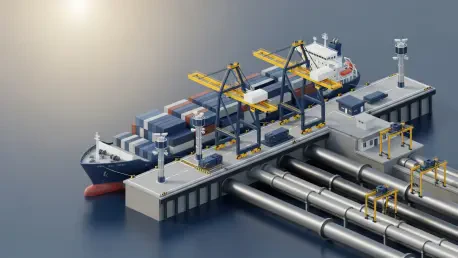
Stakeholders in the maritime industry eventually recognized that the path forward required a radical departure from traditional risk management strategies and a renewed focus on autonomous diversification. Organizations moved away from a centralized reliance on the Strait of Hormuz by investing heavily in land-based pipelines and alternative logistical corridors that bypassed the Persian Gulf entirely, which effectively reduced their exposure to kinetic disruptions. Technological firms accelerated the development of hardened vessel defense systems, integrating electronic warfare countermeasures directly into commercial hull designs to provide a first line of protection against drone-based threats. Governments transitioned their support from financial backstops to the deployment of permanent, uncrewed patrol fleets that established dedicated safe lanes monitored by artificial intelligence. These proactive measures ultimately shifted the focus from merely insuring against loss to preventing the conditions that led to vessel destruction in the first place, ensuring the continued flow of global energy despite the volatility of regional powers.