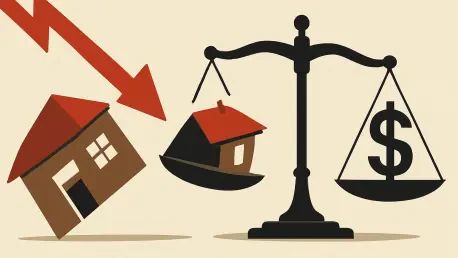

The global commercial insurance landscape is undergoing a monumental transformation as a massive surge in policyholder surplus and a stabilized reinsurance market finally break the back of a six-year pricing climb. For the first time in nearly a decade, property owners are entering negotiations with significant leverage, benefitting from a market where capital abundance is finally exerting downward pressure on premiums. This shift represents a critical pivot point for the real estate industry, which has been battered by relentless rate hikes and capacity contractions. However, the celebration is tempered by a sobering reality in the casualty sector. While the cost to insure physical structures is dropping, the financial burden of protecting against legal liabilities continues to climb. This analysis examines the tension between these two opposing forces, determining if the relief found in property renewals can truly protect the bottom line against the rising tide of litigation and social inflation.
From Market Hardening to the Current Pricing Thaw
Understanding the current market requires a look at the volatile period that defined the industry between 2018 and the start of 2026. During those years, a combination of catastrophic weather events, skyrocketing construction costs, and a global supply chain crisis forced insurers into a defensive posture, resulting in a prolonged “hard market.” By the previous year, property owners were often facing renewal increases that made traditional risk transfer nearly unsustainable. The situation changed as U.S. policyholder surplus reached a historic milestone of $1.2 trillion, providing the liquidity necessary for carriers to expand their appetite. A relatively manageable Atlantic hurricane season further bolstered the confidence of reinsurers, who have since lowered their rates and expanded their capacity. These factors have created a bifurcated environment where property capital is plentiful, yet underwriters remain extremely cautious regarding any exposure involving third-party liability.
The Divergent Realities of Modern Asset Classes
Tangible Relief in Property Premiums Amidst Sector Volatility
The current renewal cycle is providing the first significant financial reprieve for commercial property owners since the pre-pandemic era. Current data suggests that non-habitational commercial assets are seeing rate reductions ranging from 5% to 10%, while wood-frame habitational properties—a category long avoided by major carriers—are experiencing declines as steep as 15%. This softening is largely attributed to a stabilization in replacement costs and a renewed competitive spirit among domestic and international insurers. However, this relief is not a universal experience across all real estate sectors. The commercial office market, burdened by high vacancy rates and a slow return-to-office trend, remains under a microscope, with insurers focusing heavily on the financial viability of owners. In contrast, the industrial sector is seeing a massive influx of interest, particularly driven by the explosive growth of data centers. Hyperscale providers are currently absorbing a vast majority of the available market capacity, creating a localized boom that remains insulated from the broader office downturn.
The Persistence of Social Inflation and Casualty Challenges
In stark contrast to the property market, the liability and casualty sectors remain entrenched in a difficult cycle characterized by shrinking limits and rising costs. This persistence is largely driven by “social inflation,” a trend where jury awards and legal settlements consistently outpace standard economic inflation. The prevalence of aggressive legal services advertising has created a climate where large-scale litigation is more common and more expensive than ever before. This trend is particularly evident in the hospitality industry, where property rates may be falling, but casualty coverage is becoming increasingly restrictive. Hotel owners often struggle to secure affordable protection against risks like crime scores and sexual misconduct liability, as carriers tighten their underwriting standards to avoid “nuclear verdicts.” Consequently, many businesses are finding that the savings gained from property insurance are being immediately consumed by the ballooning costs of their liability programs.
Emerging Risks and the Complexity of Modern Portfolios
Beyond the traditional split between property and casualty, several new complexities are emerging that threaten to disrupt the equilibrium of modern real estate portfolios. Umbrella and excess liability markets are increasingly implementing strict exclusions for emerging contaminants, such as PFAS, as well as more common issues like mold and Legionella. Additionally, the evolution of real estate investment toward fractional ownership and complex joint-venture structures has left many owners exposed to unforeseen gaps in their cyber insurance. Standard policies frequently fail to account for the intricate web of entities involved in contemporary property management, leaving sensitive data vulnerable. Furthermore, recent legislative movements aimed at restricting institutional ownership of single-family homes have introduced a new layer of regulatory risk. These shifts require investors to adopt more sophisticated risk forecasting models that can account for both legal uncertainty and environmental liabilities.
Innovations and Technological Shifts Reshaping Risk
The future of the insurance market is being shaped by the rapid integration of advanced data modeling and artificial intelligence. Insurers are moving away from broad regional risk assessments in favor of granular, property-specific data that allows for more accurate and personalized pricing. This technological evolution favors owners who have invested in smart building systems, as real-time monitoring of water sensors and fire suppression systems can lead to significant premium discounts. Furthermore, as the industry adapts to changing regulatory landscapes, there is a clear migration of capital toward infrastructure and specialized industrial assets. Analysts predict that the market will continue to split, with high-quality, “clean” risks enjoying further rate compression while distressed or liability-heavy assets face even higher barriers to entry and more restrictive terms.
Strategies for Navigating a Divided Insurance Landscape
To effectively manage costs in this bifurcated market, businesses must move beyond a siloed view of insurance and adopt a total-cost-of-risk approach. One of the most effective strategies involves reinvesting the savings generated by falling property premiums into higher-quality casualty coverage or larger excess layers. Performing a comprehensive “gap analysis” is essential for identifying hidden exclusions in cyber and umbrella policies, particularly for those involved in joint ventures. For property owners in the habitational or hospitality sectors, demonstrating a commitment to safety through verified protocols and crime prevention measures is the best way to combat social inflation. By focusing on high-quality data and transparent reporting, owners can distinguish themselves as “best-in-class” risks, ensuring they remain attractive to carriers even as the liability market remains challenging.
Securing a Resilient Path Forward
The analysis of the current commercial insurance market revealed a period of profound transition that required a departure from traditional risk management strategies. While the significant decline in property rates offered a much-needed financial tailwind for the real estate industry, it did not signal a total return to the soft market conditions of the past. The findings showed that the persistent rise in liability risks, fueled by social inflation and complex regulatory shifts, acted as a counterweight to the gains made in property coverage. Stakeholders who recognized this bifurcation and adjusted their portfolios accordingly were better positioned to maintain stability. Ultimately, the industry learned that resilience depended on a balanced approach that leveraged property savings to shore up liability defenses. Moving forward, the focus must remain on data transparency and proactive risk mitigation to navigate an increasingly complex global landscape.