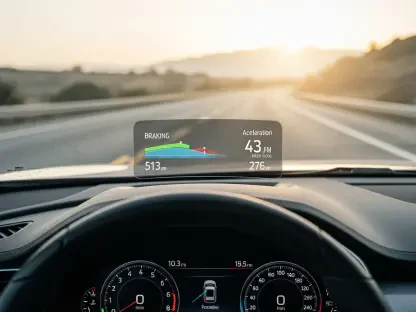
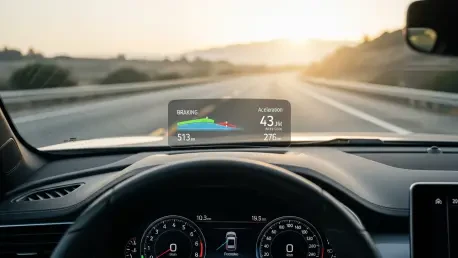
California stands at a crossroads as legislative efforts seek to modernize the way millions of drivers pay for their auto insurance coverage through the implementation of advanced tracking systems. Assembly Bill 311, currently circulating through the state capital, aims to dismantle long-held
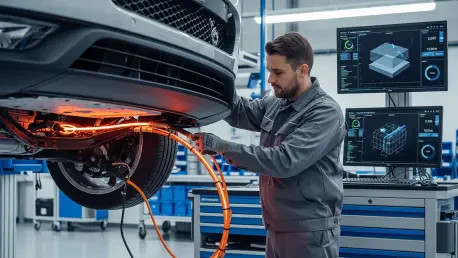
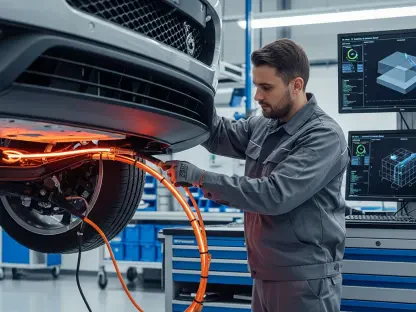
The transition from internal combustion engines to battery-powered mobility represents one of the most ambitious industrial shifts in human history, yet this revolution often encounters a significant hurdle in the form of insurance premiums that can catch even the most diligent car buyers off

The traditional bottleneck of manual policy evaluation has effectively vanished as modern insurance carriers prioritize high-velocity algorithmic risk assessment over legacy administrative workflows. Rather than waiting days for a human underwriter to verify documents or pull historical health

The moment a tree limb crashes through a residential roof during a summer storm, sophisticated algorithms are already calculating the structural damage through high-resolution satellite imagery and local weather sensor data. Gone are the days when policyholders spent hours on hold with claims

The traditional insurance model has long operated as a reactive mechanism that primarily focuses on financial compensation after a loss has occurred, but the industry is now undergoing a massive transformation driven by artificial intelligence. Rather than waiting for a catastrophe to strike,

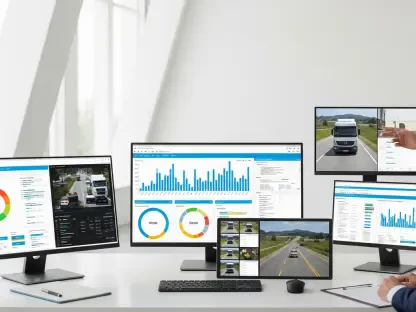
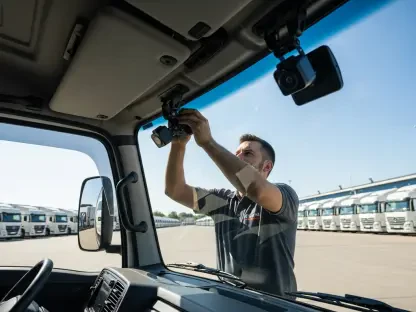
Digital oversight has evolved far beyond simple GPS tracking into a sophisticated ecosystem where every hard brake or engine fault code is instantly translated into insurance intelligence. This shift marks the end of an era where fleet safety relied on retrospective reviews of paper logs and