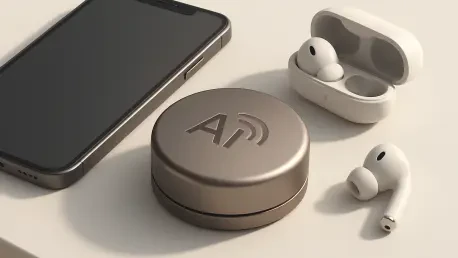

The rapid saturation of the smartphone market has triggered a desperate search for a new physical interface that can truly harness the power of generative artificial intelligence without the constant distractions of a glowing glass screen. While many manufacturers have attempted to replace the handheld computer entirely, the AI Wearable Button represents a strategic retreat toward functional simplicity. This device, a compact and tactile accessory, marks a departure from the complex, screen-heavy hardware that has dominated the consumer electronics sector for decades. It positions itself not as a disruptive replacement for existing tools but as a specialized, voice-centric bridge designed to streamline the way users interact with large language models in their daily environments.
Evolution of Minimalist AI Hardware
The development of the AI Wearable Button was spearheaded by engineering talent previously responsible for some of Apple’s most ambitious hardware projects. These creators identified a growing friction in the digital experience where the barrier to accessing artificial intelligence remained locked behind several layers of apps, notifications, and biometric unlocks. By stripping away the visual interface, the technology seeks to refine the user experience into something more immediate. It translates the capabilities of generative AI into a dedicated physical object, prioritizing a “push-to-talk” interaction model that emphasizes utility over engagement metrics.
This movement toward minimalist hardware is a direct response to the “notification fatigue” that plagues modern smartphone users. Where previous wearables attempted to cram a full operating system onto a wrist or a lapel, the Button focuses on the core strength of current AI: natural language processing. By isolating this function, the device serves as a specialized tool that minimizes the cognitive load required to perform simple tasks like setting reminders, retrieving information, or managing digital schedules. It is a calculated move to return the computer to its role as an invisible assistant rather than a primary focus of attention.
Technical Foundations and User Experience
The iPod Shuffle Aesthetic and Industrial Design
The hardware features a brushed aluminum puck form factor that intentionally draws inspiration from the iPod Shuffle to bridge the gap between technology and fashion. This design choice is not merely nostalgic; it is a calculated effort to utilize a familiar industrial language that users already associate with portability and ease of use. The tactile reliability of a physical button provides a level of certainty that touchscreens often lack, allowing the device to be operated without visual confirmation. Whether it is clipped to a lapel, carried in a pocket, or kept on a vehicle’s dashboard, the premium materials suggest a device meant for long-term durability rather than disposable novelty.
High-Speed Interaction and Low-Latency Architecture
A critical component of the device is its performance optimization, which specifically addresses the significant lag times that crippled earlier attempts at AI-dedicated hardware. The system is engineered for near-instantaneous processing, frequently returning answers to complex natural language queries in less than a second. This performance is facilitated by a streamlined connection to mobile devices via Bluetooth, leveraging the smartphone’s existing high-speed data connection while offloading the interface to the wearable. By reducing the time between a physical press and an audible response, the technology ensures that the interaction feels like a natural extension of human thought.
Privacy-First Active Engagement Logic
Unlike many contemporary wearables that rely on an “always-listening” microphone, the Button utilizes a hardware-level privacy gate that only activates upon a deliberate physical press. This design addresses significant consumer concerns regarding surveillance and data privacy by ensuring that ambient conversations are never recorded or processed by cloud-based servers. By moving away from passive data collection, the device positions itself as a tool for conscious interaction. This transparency is vital for adoption in professional and social settings where the presence of a recording device might otherwise be viewed with skepticism or hostility.
Trends in the Generative AI Hardware Market
The current landscape is shifting away from devices that attempt to replace the smartphone and toward “complementary” hardware that fits into existing digital ecosystems. Recent industry behavior suggests that consumers are more likely to adopt AI tools that act as peripherals rather than those that demand a complete lifestyle change. The Button reflects this trend by focusing on audio-first delivery, leveraging existing smart glasses and earbuds for output rather than attempting to build an all-in-one standalone system. This modular approach allows the device to remain affordable and lightweight while still providing a high-performance experience.
Moreover, the market has become increasingly cautious following high-profile failures of standalone AI gadgets that promised to revolutionize computing but failed to provide a stable user experience. The Button’s focus on a single, well-executed feature represents a shift toward “functional specialization.” Instead of being a jack-of-all-trades, it masters the art of the quick query. This trend highlights a maturing industry where the novelty of AI is being replaced by a demand for practical, reliable, and non-intrusive tools that respect the user’s time and attention.
Practical Applications and Industry Integration
In the professional sector, the technology serves as a quick-reference tool for researchers or commuters who require immediate data without the distraction of a screen. The ability to ask complex questions while driving or walking without needing to look at a device provides a significant safety and efficiency advantage. Furthermore, the device is being integrated into high-mobility urban lifestyles where the traditional process of pulling out a phone for a two-second query is increasingly seen as a nuisance. Its versatility allows it to function effectively in various environments, from corporate offices to outdoor recreation.
In the lifestyle sector, it is being deployed as a fashion-forward digital companion capable of handling real-time language translation and local recommendations. The device acts as a subtle intermediary, allowing users to remain present in their surroundings while still having access to the vast knowledge of a generative model. This industry integration suggests that the future of wearable tech lies in objects that blend into the user’s personal style while providing a specific, high-value service that justifies their presence in a crowded accessory market.
Adoption Barriers and Technical Hurdles
Despite its streamlined design, the technology faced challenges regarding its reliance on a tethered smartphone for connectivity. This dependency limited its appeal to users who were seeking true independence from mobile devices and cellular plans. Additionally, the market remained skeptical of dedicated AI hardware after several competitors failed to prove long-term utility. Overcoming the “novelty” label was a significant hurdle, as the device had to prove that its physical interface offered enough value over a standard smartphone app to justify the additional cost and the need to carry another object.
Technical hurdles also included the management of battery life in such a small form factor, especially when maintaining a constant Bluetooth connection. While the sub-second response times were impressive, they required a high degree of synchronization between the wearable, the smartphone app, and the cloud servers. Any interruption in this chain resulted in a degraded user experience, highlighting the fragility of the “complementary” hardware model. Proving that the device could remain useful in areas with poor connectivity was essential for gaining the trust of a global consumer base.
Future Outlook and Strategic Projections
The trajectory of AI wearables suggested a move toward even more seamless integration between the physical and digital worlds. Future developments for this product category may include advanced haptic feedback systems that can communicate information silently, or the inclusion of efficient on-device processing to reduce reliance on cloud servers. As voice-first AI continues to mature, the “form of the computer” might shift entirely away from the traditional screen toward diverse, specialized objects that prioritize human intent. This evolution points toward a future where digital assistance is felt and heard rather than seen.
Strategically, the success of the Button indicated that there was a massive appetite for technology that respected personal boundaries and focused on specific tasks. As smart home ecosystems become more complex, these wearable buttons could serve as universal remote controls for the physical world, allowing users to control their environment through natural language. The long-term projection for this sector involves a transition where the smartphone acts as a central hub for a constellation of specialized wearables, each optimized for a specific type of human interaction or data retrieval.
Final Assessment of the AI Wearable Button
The AI Wearable Button functioned as a pragmatic and well-engineered response to the over-complication of modern digital life. By focusing on speed, privacy, and a nostalgic design language, it avoided the pitfalls of over-promising and under-delivering that characterized many of its contemporaries. The device successfully carved out a niche as a high-performance companion for the generative AI era, proving that sometimes less is truly more when it comes to human-machine interfaces. Its design reflected a sophisticated understanding of current friction points, offering a tool that felt both futuristic and grounded in classic ergonomics.
Ultimately, the impact of this technology highlighted a growing demand for hardware that prioritized user agency and immediate utility. While it did not replace the smartphone, it demonstrated that specialized AI tools could significantly enhance the efficiency of daily tasks without demanding constant visual attention. The project showed that the industry was moving away from “all-in-one” devices toward a more modular and intentional way of interacting with technology. This shift toward intent-based computing paved the way for a more balanced relationship between users and their increasingly intelligent digital assistants.