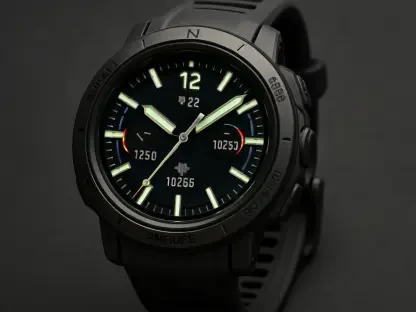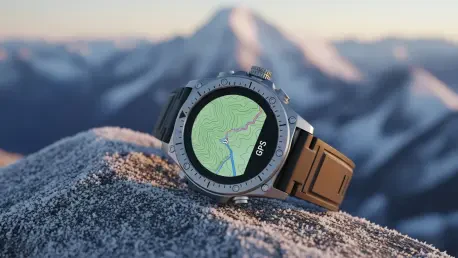

The landscape of high-performance wearables is currently witnessing a tectonic shift as rugged, professional-grade smartwatches transition from niche tools to essential gear for extreme athletes. While Garmin has long held the throne in this sector, Zepp Health is aggressively challenging that dominance with the launch of the Amazfit T-Rex Ultra 2. This rivalry represents more than just a battle of brands; it is a competition between established ecosystem prestige and disruptive hardware innovation.
The Evolution of Premium Rugged Smartwatches
Outdoor enthusiasts now demand devices that can withstand the harshest environments on Earth, from frozen mountain peaks to the crushing depths of the ocean. The Garmin Fenix 8 enters this arena as the refined standard-bearer, carrying a legacy of precision and reliability. However, the T-Rex Ultra 2 serves as a bold statement from Amazfit, signaling that high-end features like titanium construction and advanced mapping are no longer exclusive to those willing to pay a massive premium.
This surge in professional-grade tech reflects a growing segment of users who prioritize survival-ready durability alongside modern smart connectivity. As Amazfit positions itself as a direct competitor, it leverages aggressive pricing and massive battery upgrades to attract those who might otherwise default to the Garmin ecosystem.
Direct Comparison of Core Specifications and Performance
Build Quality, Durability, and Display Visibility
Constructed with Grade-5 Titanium and protected by sapphire glass, the T-Rex Ultra 2 feels remarkably premium despite its rugged intentions. This material choice keeps the weight at a manageable 89.2g, providing a lightweight yet nearly indestructible housing that rivals the top-tier finishes of the Garmin Fenix 8. While Garmin is renowned for its iconic design language, Amazfit has closed the gap by offering a build that feels equally at home in a boardroom or a base camp.
The visual experience is where the Amazfit truly shines, featuring a 1.5-inch AMOLED screen that reaches a staggering 3,000-nit peak brightness. This ensures that even under the harshest midday sun, every data point remains crystal clear. In contrast, the Fenix 8 utilizes its own display technology to balance visibility and efficiency, yet the raw luminance of the T-Rex Ultra 2 offers a distinct advantage for users navigating high-glare environments.
Battery Life and Power Management
Longevity is the lifeblood of any expedition tool, and Amazfit has taken a massive leap forward by integrating an 870 mAh battery. This 74% increase over previous generations allows the device to last up to 30 days under typical usage conditions. For those engaged in multi-day endurance events, the watch provides over 50 hours of continuous GPS tracking, a metric that places it at the very top of its class.
Garmin’s power management is legendary, often utilizing solar charging to extend its reach, yet the sheer raw capacity of the T-Rex Ultra 2 offers a different kind of peace of mind. Both brands successfully navigate the delicate balance of powering high-resolution always-on displays while maintaining the stamina required for weeks away from a charger.
Navigation, Mapping, and Storage Capacity
To support serious explorers, the T-Rex Ultra 2 has expanded its internal storage to 64 GB, specifically to accommodate pre-installed topographic maps and turn-by-turn navigation. This allows users to download entire regions for offline use, ensuring they never lose their way even when cellular signals vanish. The dual-band GPS system is equally impressive, utilizing six satellite networks to maintain pinpoint accuracy across varied trail types.
Garmin continues to lead with its proprietary mapping ecosystem and deep analytical metrics, but the inclusion of a dual-mode LED flashlight and sophisticated navigation tools in the Amazfit makes it a formidable rival. The ability to differentiate between distinct terrain paths on the wrist provides a level of detail that was previously reserved for dedicated handheld GPS units.
Real-World Limitations and Technical Considerations
Operating in extreme conditions reveals the true character of these devices, such as the ability to function at -30°C or survive a 10 ATM dive. The T-Rex Ultra 2 is certified for freediving, matching the aquatic versatility often associated with the Garmin Fenix 8. However, moving between these platforms involves trade-offs, particularly regarding NFC payment support, which remains more fragmented for Zepp Health users depending on their specific region.
Ecosystem loyalty also plays a significant role in the user experience. Transitioning from the deeply integrated Garmin Connect environment to the Zepp Health platform requires an adjustment period, as the software layout and community features differ significantly. While the hardware is world-class, the software maturity remains an area where Garmin’s long-standing market presence provides a more polished, if more expensive, experience.
Final Verdict: Selecting the Superior Adventure Tool
The decision between these two powerhouses ultimately rested on the balance of value and specific professional needs. With a price point of $549.90, the T-Rex Ultra 2 disrupted the market by offering flagship titanium build quality and extreme battery life at a fraction of the cost of a fully spec’d Fenix 8. Budget-conscious endurance athletes found that the raw hardware performance of the Amazfit met nearly every requirement for high-altitude climbing and diving.
Moving forward, the focus shifted toward how these devices integrated into a broader health and performance strategy. Users who required the most granular training metrics often stayed with the established Garmin infrastructure, while those seeking a rugged, ultra-bright tool for survival and exploration turned to the T-Rex Ultra 2. Choosing the right device meant evaluating whether the premium for a refined ecosystem outweighed the undeniable hardware-per-dollar value of the newcomer.