
The landscape of sleep technology has undergone a radical transformation, moving far beyond the simple foam and springs of the past to embrace fully integrated biometric systems. In 2026, the bedroom is no longer just a place for rest; it has become a sophisticated laboratory for health optimization. As stress levels rise and health consciousness peaks, the “smart bed” has emerged as a centerpiece of modern biohacking. Industry observers note that the transition from a standard mattress to a data-driven sleep surface represents a major shift in the domestic wellness market. This article explores whether these high-priced systems, integrated with artificial intelligence and biometric sensors, deliver a genuine improvement in life quality or if they remain a luxury novelty for the tech-obsessed consumer.
The broader market has seen a surge in demand for products that promise more than just physical comfort. Sleep experts point out that the average person now views nocturnal recovery as a performance metric that can be optimized through technology. This cultural shift has paved the way for manufacturers to introduce features that were once reserved for clinical environments. Consequently, the distinction between medical equipment and home furniture has blurred, leading to a new category of proactive health devices designed to reside within the master suite.
The Evolution of the Intelligent Sleep Environment
Beyond the Remote: The Rise of Autonomous Sleep Systems
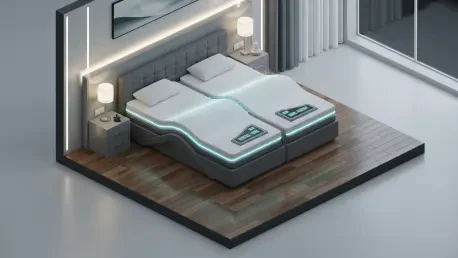
The 2026 generation of beds has finally broken the tether to manual adjustments, moving away from the era where users had to fumble with remotes in the middle of the night. Unlike traditional adjustable bases that required a person to tilt the head or feet consciously, modern smart beds utilize proactive AI to manage comfort levels. These systems use internal microphones and pressure grids to detect the onset of snoring or physical restlessness, adjusting the mattress elevation or firmness in real-time without waking the sleeper. This transition from a reactive piece of furniture to an autonomous health assistant represents a fundamental shift in how we perceive sleep surfaces.
Furthermore, the automation found in these systems is designed to be entirely seamless. Some critics of early smart technology argued that mechanical movements were too jarring, but current iterations prioritize silent, gradual shifts in position. By the time a sleeper begins to experience minor airway obstruction, the bed has already shifted into an anti-snore position. This level of responsiveness suggests that the role of the bed has evolved into an active participant in the user’s health journey, operating behind the scenes to preserve the integrity of deep sleep cycles throughout the night.
Personalization Through Mechanical Innovation and Adaptive Support
The industry has moved away from basic air bladders toward more sophisticated mechanical solutions like the “Bryte Balancer” systems. These individual coil modules can be fine-tuned via software to 100 different firmness levels, solving the long-standing issue where smart beds felt “mushy” compared to traditional luxury mattresses. This level of customization is particularly transformative for couples with vastly different body types, allowing for localized lumbar support and weight redistribution that mimics a custom-tailored medical device. Sleep consultants often highlight that this mechanical precision provides a level of ergonomic support that static materials simply cannot match.
In contrast to older models that offered uniform firmness across the entire surface, the 2026 models allow for zoned adjustments. A user can request firmer support for the lower back while maintaining a plush feel for the shoulders, all through a digital interface. This adaptability ensures that the mattress remains relevant even as a user’s physical needs change due to aging, injury, or pregnancy. The ability to reconfigure the internal structure of the bed at any time provides a longevity that many argue justifies the steep initial price point of these advanced sleep systems.
Thermal Regulation: Active Cooling Versus Passive Breathability
One of the most significant justifications for the high cost of 2026 smart beds is the leap in climate control technology. While older mattresses relied on cooling gels that eventually saturated with heat, the latest systems—such as the Tempur-ActiveBreeze—incorporate active airflow ports and internal fans. These beds can drop the micro-climate temperature by up to six degrees, offering a specialized solution for chronic hot sleepers and those with medical conditions that disrupt thermal regulation, effectively turning the bed into a climate-controlled sanctuary. This active approach ensures that the sleeping surface remains consistently cool regardless of the ambient room temperature.
Moreover, the intelligence of these systems allows for pre-scheduling and localized cooling. A bed can be programmed to warm up the surface before the user enters and then gradually cool down as they drift into deep sleep, which is when the body’s core temperature naturally drops. For couples, this means one side can remain warm while the other is actively cooled, eliminating the common “thermostat wars” that occur in many households. The technical complexity required to move air silently through layers of foam and fabric is a primary driver of the premium costs seen in the current market.
The Invisible Health Clinic: Data Integration and AI Coaching
The bed has replaced the wearable tracker as the primary source of biometric data for many health enthusiasts. Integrated sensors now monitor heart rate variability (HRV), respiratory patterns, and sleep stages with medical-grade accuracy, all without the need for a wristband or ring. This data is fed into an “AI Sleep Concierge,” which provides personalized recommendations each morning. By analyzing the correlation between room temperature, bed firmness, and deep sleep cycles, these beds offer a feedback loop that attempts to solve insomnia through data-driven science rather than trial and error.
The shift toward “invisible” technology has been a major selling point for those who find wearable devices intrusive or uncomfortable. Because the sensors are embedded deep within the mattress layers, the user is never physically aware of the monitoring taking place. This allows for a more natural sleep experience while still reaping the benefits of high-level analytics. Morning reports now go beyond simple sleep scores, providing insights into how lifestyle choices—such as a late meal or an evening workout—impacted the physiological recovery of the heart and nervous system over the course of the night.
Navigating the Investment: Is the Value Real?
To determine if a five-figure investment is justified, consumers must weigh the specific benefits against their personal sleep struggles. For individuals suffering from chronic back pain, sleep apnea, or severe night sweats, the automated intervention of a smart bed led to a measurable increase in daily productivity and long-term health. However, for the “good sleeper” who enjoys a tech-free sanctuary, the reliance on Wi-Fi, apps, and constant data monitoring created more stress than it relieved. The decision rested on whether one viewed a mattress as a simple comfort object or as a critical piece of health infrastructure required for peak performance.
Furthermore, the maintenance of these systems introduced a new layer of responsibility for the homeowner. Software updates, hardware troubleshooting, and app connectivity became part of the ownership experience. Some users found that the integration of technology into a traditionally low-tech object felt unnecessary, while others embraced the bed as a vital component of their smart home ecosystem. In the end, the value proposition depended heavily on the user’s willingness to engage with the data and the specific physical relief provided by the autonomous mechanical features.
Final Verdict on the 2026 Sleep Revolution
The 2026 smart bed market successfully moved past the “gimmick” phase, offering high-performance tools that addressed the root causes of poor sleep through AI and mechanical precision. While the high price points of $6,000 to $20,000 remained a significant barrier for many, the integration of active cooling and autonomous support made these beds a viable health investment for those with specific sleep disorders. The transition toward systems that worked behind the scenes ensured that every minute spent in bed contributed to total body recovery without requiring active effort from the user.
Moving forward, the focus for prospective buyers shifted toward evaluating the long-term support and software longevity of these products. Potential owners were encouraged to consider how the “invisible” tech would integrate with their existing wellness routines. As the market matured, the emphasis remained on finding a balance between mechanical innovation and the simple need for a restful environment. Those who invested in the technology often reported that the improvement in cognitive clarity and physical readiness was worth the initial expenditure, provided they utilized the full suite of biometric insights available to them.