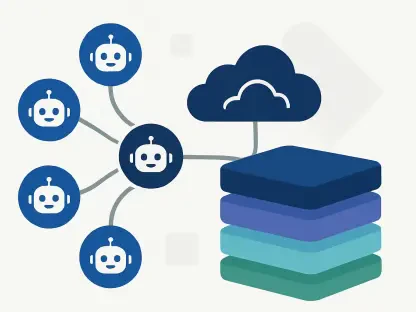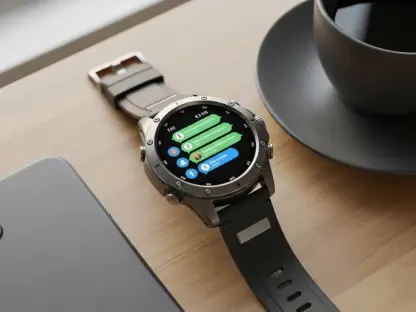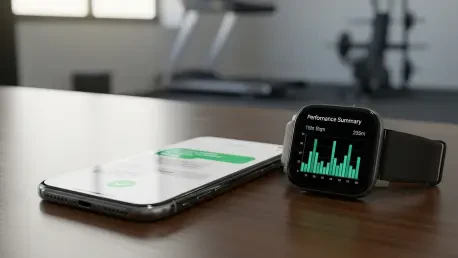

Athletes often find themselves staring at a labyrinth of charts and biometric figures that seem more like a specialized laboratory report than a practical guide for their morning run or recovery session. While Garmin devices are renowned for their surgical precision in tracking heart rate variability, sleep stages, and aerobic strain, the sheer volume of this information frequently leaves users in a state of analysis paralysis. The Garmin Chat Connector has emerged as a sophisticated third-party bridge, utilizing the capabilities of large language models like ChatGPT and Claude to transform these dense metrics into a coherent dialogue. This project represents a pivotal shift away from the traditional, menu-heavy interface of Garmin Connect, favoring a streamlined, secure system that operates on cloud-hosted tokens. By synthesizing thousands of distinct data points into natural language, the tool enables a more intuitive understanding of how various physiological stressors interact with daily performance.
Evolution of Performance Metrics Through Strategic Integration
The implementation of a conversational interface allows for a nuanced interpretation of health trends that standard algorithms often overlook or fail to communicate effectively. For instance, rather than simply viewing a fluctuating resting heart rate, a user can inquire about the specific correlation between their recent training load and their overall recovery quality. This system-level synthesis provides immediate clarity on whether a dip in performance is a result of overtraining or a lack of deep sleep architecture. While the manufacturer previously introduced features like Active Intelligence and Connect+, these native solutions have faced criticism for being overly basic and lagging behind the industry standards established between 2026 and 2028. Consequently, this third-party connector serves as a vital interim resource for those who possess the technical data but lack the specialized literacy required to translate it into a weekly training volume.
Strategic Outlook for the Data Literate Athlete
The movement toward conversational health data signaled a broader transition in the wearable technology sector where the primary value shifted from raw collection to actionable narrative. Competitors such as Whoop and Oura already prioritized these simplified, AI-driven summaries, creating a competitive landscape that demanded more sophisticated interaction models. To maintain a competitive edge, users sought out external integrations that could offer personalized coaching advice based on fatigue levels and physiological readiness. Future considerations for athletes focused on the integration of these AI tools into broader health ecosystems, ensuring that every biometric insight served a specific performance goal. The development of the Garmin Chat Connector encouraged a more proactive approach to health management, as individuals transitioned from being passive observers of their stats to active participants in their physiological optimization. This evolution paved the way for more integrated, dialogue-centric fitness platforms.