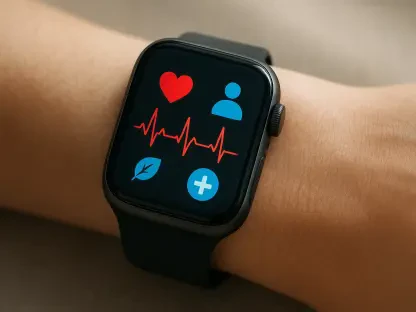

The transition from wearables being simple pedometers to sophisticated life-saving instruments has reached a pivotal moment with the release of the Pixel Watch 5, a device that fundamentally changes how users perceive personal health security. By moving away from basic tracking metrics and prioritizing the analysis of raw physiological signals, the manufacturer has positioned this hardware as a legitimate medical monitor rather than just another fitness accessory. This evolution reflects a broader industry shift toward proactive intervention, where artificial intelligence identifies potential health crises before they escalate into emergencies. Instead of merely recording the results of a daily workout, the device actively scans for anomalies that might otherwise go unnoticed. This technological leap allows for a deeper understanding of one’s body, transforming the relationship between a consumer and their daily tech into one centered on biological safety and long-term health surveillance.
The Mechanics: Respiratory Emergency Detection
The standout feature of this latest iteration is the Breathing Emergency Detection system, which is specifically engineered to flag life-threatening events such as choking, severe pneumonia, or drug-induced toxicity. This system relies on a sophisticated fusion of data pulled from the accelerometer, the barometer, and high-fidelity oxygen sensors to recognize subtle changes in respiratory mechanics. When the watch detects a dangerous drop in respiration or a cessation of breathing, it is programmed to initiate an automated alert sequence to contact emergency services immediately. While this offers a substantial safety net for vulnerable populations, it currently navigates a complex landscape of regulatory limitations, particularly in the United States. Obtaining formal clearance from medical authorities remains a high priority for the manufacturer to ensure that these automated emergency calls are recognized as valid and reliable within the current national response framework.
Safety Ecosystems: The Role of Health Guardian
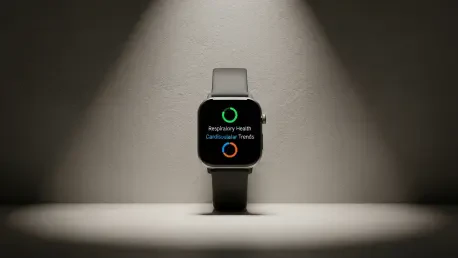
To manage these safety tools effectively, Google introduced the Health Guardian ecosystem, which centralizes emergency features like pulse detection and heart rhythm alerts into a single framework. This system relies on 24/7 passive monitoring to build a comprehensive picture of a user’s well-being over time rather than just capturing isolated snapshots. This approach moves beyond simple data logging by generating detailed monthly reports that provide historical context for any physiological deviations. Furthermore, an AI-powered coach assists users in interpreting these complex trends, offering guidance on how to prepare for doctor visits. By providing a longitudinal view of health, the system allows for the identification of patterns that might suggest underlying issues. This proactive monitoring ensures that the device is not just a reactive tool but a constant observer capable of alerting users to shifts in their baseline health before symptoms become noticeable.
Metabolic Insights: Tracking Cardiovascular Health Trends
Beyond addressing acute emergencies, the Pixel Watch 5 is venturing into the long-term management of chronic conditions through innovative tracking tools for blood pressure and insulin resistance. Traditional methods of monitoring these metrics often require cumbersome hardware or frequent manual calibrations, which can discourage consistent tracking. In contrast, new methods have been developed to analyze unique patterns in heart signals to identify subtle metabolic shifts and cardiovascular changes over time. By observing how heart rate variability and pulse wave profiles change in response to daily activities, the device offers a long-term view of metabolic health that was previously unattainable with a consumer-grade wearable. This capability is particularly significant for individuals at risk of developing hypertension, as it provides a non-invasive way to observe the early signs of physiological decline before symptoms become severe or require drastic lifestyle changes.
Clinical Perspectives: Evaluating Wearable Utility
Despite these technical breakthroughs, medical experts from organizations like the American Heart Association remain cautious about the clinical utility of wrist-worn sensors for formal diagnoses. While these tools show significant promise for identifying general trends, they are not yet considered a full substitute for the gold-standard medical equipment used in professional clinical settings. The primary value of this technology resides in its ability to provide actionable data that could be shared with healthcare providers for further expert evaluation. It is important to recognize that while sensors can detect anomalies, they do not replace the nuanced judgment of a trained medical professional. Patients are encouraged to use wearable data as a conversation starter rather than a definitive medical conclusion. This balanced perspective ensures that technology serves as an enhancement to traditional care rather than a source of potential misinformation or unnecessary anxiety for the user.
Proactive Healthcare: Managing Long-Term Wellness Outcomes
The shift toward integrating AI-driven responses and advanced sensor models signaled a transition where smartwatches functioned as vital medical assistants rather than simple accessories. By bridging the gap between daily consumer habits and clinical data, the technology allowed individuals to transform complex biological signals into clear, life-saving insights. The most effective way to utilize these tools involved sharing the generated monthly reports with primary care physicians during routine check-ups to identify subtle trends. It was also beneficial for users to establish a personal health baseline during periods of activity and rest to ensure the AI coach had accurate data for comparison. This proactive approach significantly improved the early detection of metabolic shifts and cardiovascular irregularities. Ultimately, those who treated the device as a clinical aid were better prepared to manage their health outcomes and respond to potential emergencies before they escalated.