
Athletes and high-performance professionals used to choose between data precision and digital connection, but the arrival of a native WhatsApp application on Garmin’s Connect IQ Store has finally shattered the wall between rugged performance and daily utility. By integrating one of the world’s most popular messaging platforms directly into its ecosystem, Garmin is signaling a move toward a more comprehensive lifestyle device. This analysis explores whether this leap into native third-party apps is enough to bridge the gap between rugged utility and the seamless connectivity offered by competitors like Apple and Samsung.
Garmin has long reigned supreme as the gold standard for endurance athletes and outdoor enthusiasts, but its identity as a smartwatch has often been secondary to its role as a fitness tool. The recent launch of the WhatsApp application marks a pivotal shift in this narrative, transforming the device from a passive data logger into an active communication node. This evolution suggests that the market no longer accepts a compromise between specialized health metrics and the social features that define modern digital life.
The Evolution of Connectivity on the Wrist
Historically, Garmin devices were designed as specialized instruments for tracking physiological data and GPS coordinates rather than as social hubs. While they offered notification mirroring—simply showing what appeared on a user’s phone—they lacked the interactive depth found in dedicated smartwatch platforms like watchOS or Wear OS. This distinction created a clear divide where users wore Garmins for training and Apple Watches for daily living, requiring a dual-device strategy for many power users.
As the wearable market has matured, consumer expectations have shifted toward a unified experience. The demand for a single device that can handle a marathon and a boardroom meeting has forced legacy fitness brands to modernize their software stacks to remain relevant. By focusing on deep integration rather than surface-level alerts, Garmin is attempting to capture the “all-day” wearer who requires durability without the penalty of digital isolation.
From Fitness Peripherals to Multi-Functional Wearables
The transition toward multi-functional wearables reflects a broader industry trend where the “fitness-only” category is rapidly shrinking. Garmin is no longer content with being a niche choice for triathletes; it is positioning itself as a legitimate alternative for the everyday user who values battery life but refuses to sacrifice social connectivity. This strategy is essential for defending market share against mainstream smartwatches that are increasingly encroaching on the high-end fitness space with improved sensors and rugged designs.
Modern software partnerships are becoming as critical as hardware sensors in defining a product’s success in this competitive landscape. The integration of lifestyle-oriented features, such as music streaming and now native messaging, serves to lower the barrier for entry for non-athletes. This diversification of the Connect IQ ecosystem ensures that the hardware remains a central part of the user’s identity throughout the entire day, not just during a recorded activity.
Bridging the Gap: Performance and Communication
Enhancing User Interactivity: Beyond Simple Notifications
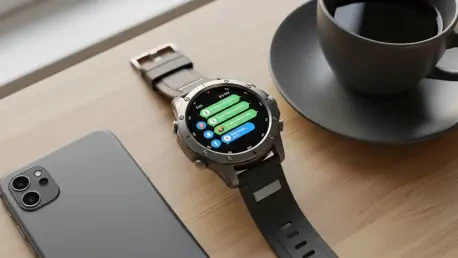
The integration of a native WhatsApp app is a departure from the passive notification system of the past. Instead of merely viewing a snippet of text, users can now access full conversation threads directly on models like the Fenix and Forerunner series. The ability to respond using a built-in keyboard, send emojis, and manage incoming calls transforms the watch into a functional communication hub that operates independently of the phone’s lock screen.
For an athlete in the middle of a long ride or a hiker on a trail, the capacity to stay connected without retrieving a smartphone from a backpack is a major functional upgrade. This level of interactivity aligns the hardware with modern digital habits, ensuring that the flow of a workout is never interrupted by the need to check a mobile device. It represents a shift from being a “screen on a wrist” to a truly interactive interface.
Expanding the Ecosystem: Competing with Tech Giants
By partnering with Meta to bring WhatsApp to its hardware, Garmin is directly addressing the “app gap” that has historically favored global tech giants. This move follows other lifestyle updates, suggesting a strategic pivot toward a broader demographic that prioritizes software versatility. The goal is to provide a cohesive experience where the user does not feel limited by the operating system when trying to perform basic social tasks.
This expansion is a calculated response to the growing capabilities of rival platforms that have traditionally dominated the “smart” side of the wearable equation. As Garmin secures more high-profile third-party applications, the incentive for users to switch to more traditional smartwatches diminishes. The brand is successfully leveraging its dominance in battery life to offer a superior platform for apps that would otherwise drain the power of its competitors.
Technical Hurdles: The Challenge of Hardware Limitations
While the software update is a significant milestone, it also highlights the inherent challenges of the current hardware philosophy. Most Garmin watches utilize Memory-in-Pixel (MIP) or specialized AMOLED displays designed for power efficiency rather than high-speed animations. Adapting a messaging interface to these screens requires a delicate balance between usability and battery preservation, which remains a primary obstacle for the brand.
Furthermore, without a widespread LTE infrastructure across its entire lineup, many of these “smart” features still rely heavily on a Bluetooth tether to a smartphone. Navigating these technical constraints while trying to match the fluid user experience of a dedicated smartwatch is a complex task. The success of these integrations will depend on how well the software can mask these hardware-specific limitations to provide a seamless feel.
The Future of Garmin: Hardware and LTE Ambitions
The arrival of a major third-party app likely serves as a precursor to more significant hardware shifts in the coming years. Market observers speculate that this move could signal a broader rollout of LTE-enabled devices that move beyond the current focus on emergency assistance. If independent cellular connectivity becomes standard, Garmin devices would offer a unique value proposition: world-class fitness tracking combined with a truly untethered communication suite.
This trajectory suggests a future where these watches are no longer just “smart-adjacent” but are fully independent nodes in a digital life. Such a shift would allow users to leave their phones at home entirely during long excursions without losing the ability to coordinate with others. As the technology matures, the distinction between a “fitness watch” and a “smartwatch” will likely vanish, leaving only “performance wearables” that do everything.
Strategic Takeaways: The Wearable Market
For consumers and industry observers, this evolution provides several key insights into the future of wearable technology. Software partnerships are now the primary battleground for user retention, as hardware specifications have begun to plateau across the industry. Professionals and athletes alike should view these updates as an invitation to streamline their gear, moving toward a single-device solution that balances rigorous data collection with social requirements.
Strategic success in this market now requires a focus on high-utility integrations that reduce phone dependency. Garmin’s move demonstrates that even the most specialized brands must adapt to the “connectivity-first” mindset of the modern consumer. Companies that fail to integrate essential communication tools risk being relegated to the drawer once a workout is over, losing the valuable 24/7 data stream that drives long-term engagement.
A New Chapter: The Performance Smartwatch
The integration of WhatsApp represented a major statement of intent that finalized the transition of the brand into a true smartwatch competitor. This move successfully synthesized a reputation for rugged durability with the essential conveniences required for daily life. While the brand initially faced challenges in matching the sheer app volume of its rivals, the focus on high-utility tools ensured it remained a formidable player. The shift toward native messaging proved that the hardware was ready to compete on all fronts, offering a compelling narrative of successful adaptation. Moving forward, the industry must prioritize creating ecosystems where high-end biometric sensors and social connectivity coexist without compromise. Owners should now explore ways to further untether from their mobile devices as these native capabilities continue to expand.