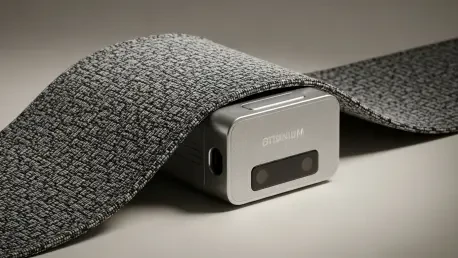

The transition of wearable technology from utilitarian rubber bands to high-fashion status symbols represents a fundamental shift in how consumers perceive the intersection of health and personal style. In the current landscape, the wearable market is reaching a critical saturation point where basic data accuracy is no longer the primary differentiator for consumers. Personal style has emerged as the new frontier, forcing brands to reconsider their physical identity. Whoop, once recognized exclusively as a screenless strap for elite athletes, is undergoing a radical identity shift to remain relevant. This evolution signals a cultural transition where biometric tracking moves out of the gym and into the high-fashion atelier.
Industry analysts suggest that for tech to survive in a style-conscious market, it must double as jewelry or a high-end accessory. By examining the brand’s latest high-end collaborations, a blueprint emerges for how functional hardware attempts to capture the elusive status of a luxury item. This strategic pivot is not merely about aesthetics; it is about establishing a sense of authority that transcends the weight of a heart rate sensor. The brand is betting on the idea that health data is more compelling when it is packaged within a narrative of exclusivity and sophisticated design.
Decoding the Blueprint of High-Fashion Wearables
The Hardware as a Statement Piece: Moving From Utility to Ornamentation
The recent collaboration with SR_A and designer Samuel Ross represents a significant departure from the philosophy of invisible technology toward a tech-forward aesthetic. The introduction of custom-etched metal hardware and premium jacquard weaves, such as those found in the Strata Band 1, challenges the industry standard of silicone and plastic. By elevating the physical materials, the brand is attempting to solve the rubber band problem that has historically kept fitness trackers out of formal or high-fashion settings. Many designers believe that tactile quality is the most effective way to communicate luxury in a digital age.
However, the brand faces the hurdle of convincing luxury consumers that a device without a traditional watch face or precious gemstones can truly command a premium price tag. While technical fabrics offer a modern appeal, the lack of traditional craftsmanship found in horology remains a point of contention for some critics. Success in this area requires a delicate balance between industrial innovation and the perceived value of artisan materials. The shift suggests that the value of a wearable is increasingly found in the quality of its weave rather than just the frequency of its sampling rate.
Strategic Visibility: Turning the “Wrist-Window” Into a New Status Symbol
The Solare Technical Running Jacket introduces a disruptive design choice: a cutout specifically designed to frame a screenless sensor. While most technical apparel seeks to hide hardware for a streamlined look, this wrist-window intentionally highlights the device as a central design motif. This design choice functions as a subtle signal of health-consciousness and technical sophistication, essentially turning the tracker into a modern badge of honor. Observers note that this mirrors how luxury car manufacturers might leave a powerful engine visible under a glass cover.
This shift aligns perfectly with the industrial-wear trend where the visibility of technical components serves as a hallmark of quality and status. Much like an exposed movement in a luxury timepiece, the sensor becomes a visual anchor for the entire outfit. It moves the conversation from what the device does to what the device represents about the wearer’s commitment to peak performance. By framing the sensor, the apparel creates a dedicated stage for the technology, ensuring it is never mistaken for a generic fitness accessory.
Integrating the Body: Any-Wear Technology and the Disappearance of Gear
The Layer 1 technical garment system demonstrates a pivot toward leveraging proprietary Any-Wear Technology to bypass the limitations of wrist-based tracking. By embedding pods into compression shorts and muscle long-sleeves, the brand transitions from a hardware manufacturer to a textile innovator. This move addresses a significant friction point in the wearable market: the desire for data without the burden of a physical accessory. High-performance, squat-proof fabrics now double as data-capture points, blending utility into the very fibers of the wardrobe.
This approach carves out a niche in invisible luxury where the value lies in the seamless integration of tech into the user’s lifestyle. Fashion experts suggest that the most successful wearables are those that do not require the user to change their behavior or outfit to accommodate the sensor. By disappearing into the clothing, the technology becomes an ambient presence rather than a constant distraction. It allows for a continuous stream of physiological insights while maintaining the integrity of a curated, high-fashion silhouette.
The Performance Lifestyle Pivot: Competing Beyond the Heart Rate
The brand is intentionally distancing itself from being a niche tool for professional athletes to become a pillar of the performance lifestyle movement. This transition mirrors the evolution of outdoor brands that moved from specialized mountain gear to urban luxury staples. By leaning into longevity and digital health, the goal is to position the product against competitors like the Oura Ring or the Apple Watch Ultra. Critics warn that the risk lies in alienating the core athletic base while trying to capture a fashion-forward audience that may prioritize appearance.
Marketing specialists argue that a brand must stand for more than just a list of features to achieve luxury status. It must embody a specific way of living that resonates with a global audience of high achievers. This involves moving the narrative away from raw heart rate numbers toward a more holistic view of human potential and design-led innovation. The challenge remains to prove that a subscription-based tech product can maintain the timeless appeal required of a true fashion icon.
Navigating the Intersection of Biometrics and Brand Identity
For brands looking to replicate this transition, the focus must shift from adding more features to achieving better integration. Success in the luxury wearable space requires a commitment to premium materials that age gracefully, such as treated metals and high-density textiles, rather than disposable plastics. Industry leaders recognize the transformative potential of design-led innovation where the hardware is treated with the same reverence as a piece of fine jewelry. It is no longer enough for a device to be functional; it must also be desirable on a purely aesthetic level.
Companies should consider partnership models that prioritize artistic vision rather than simple logo-slapping on existing products. For the consumer, the takeaway is clear: the future of fitness tracking is not just about what the device tells you about your body, but what it says about your personal taste. As biometrics become a standard part of the daily routine, the way these sensors are worn will define the next generation of personal branding. The convergence of health data and high design is quickly becoming the new baseline for the modern, style-conscious consumer.
The Future of Wearable Sophistication
As the industry continues to bridge the gap between technical performance and high-fashion aesthetics, it sets a new standard for future product development. The success of initiatives like Project Terrain suggested that there was a significant appetite for wearables that complemented, rather than clashed with, a curated wardrobe. By prioritizing materials like jacquard and etched metal, the brand moved the needle on what a fitness tracker could represent in a social context. This trajectory indicated that the next generation of fashion icons might very well be powered by sophisticated algorithms and integrated textiles.
Ultimately, the fusion of health data and high design was no longer a novelty; it functioned as the necessary evolution for a maturing market. The brand successfully demonstrated that a screenless sensor could command attention through strategic visibility and premium garment integration. Moving forward, the focus will likely shift toward even deeper textile innovation and the refinement of the invisible luxury concept. The industry proved that when technology and fashion were treated as equals, the result was a product that resonated far beyond the walls of a gymnasium.