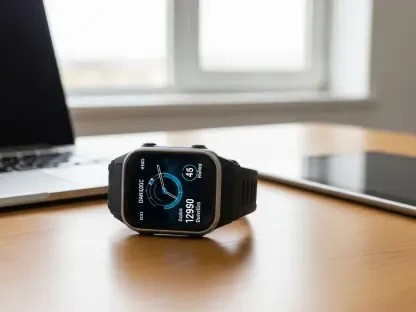

The world of smartwatch customization has a new benchmark for excellence. Facer, a leading platform for watch face design, has officially unveiled the winners of its inaugural ‘Facer Awards,’ a landmark event celebrating the most creative, functional, and popular designs of 2025. This celebration recognizes the immense talent within the Wear OS and Apple Watch creator communities, shedding light on the digital artistry that millions of users choose to adorn their wrists with every day. The awards, determined by analyzing a full year of sync data, highlight not just aesthetic appeal but also user engagement and technical prowess. This article will explore the standout winners, unpack the dominant design trends that defined the year, and examine the technical landscape that shaped these digital masterpieces.
The Evolving Canvas of Smartwatch Customization
The journey of the smartwatch face from a simple digital time-teller to a complex, personal dashboard has been rapid and transformative. In the early days, customization was limited, but today, a vibrant ecosystem of independent creators builds designs that cater to every imaginable niche. The 2025 awards arrive at a pivotal moment for this industry, as designers have been navigating significant technical shifts. For the Wear OS community, this meant mastering the new Watch Face Format (WFF) required for Wear OS 6, a standard aimed at improving performance and battery efficiency. Meanwhile, Apple Watch designers continued to innovate within the persistent constraints of Apple’s official complication system, finding clever ways to maximize information delivery. Understanding this technical backdrop is crucial, as it underscores the skill required to create a winning design that is not only beautiful but also flawlessly functional and efficient.
Unpacking the 2025 Winners and Defining Trends
The Reign of Data-Rich Aesthetics
A clear and undeniable trend emerged from the 2025 Facer Awards: users overwhelmingly prefer high-density, information-rich designs. The year’s top watch faces for both Wear OS and Apple Watch, Almarinov’s ‘Pluto WFF’ and FM Semper Fi’s ‘FM + Grey’ respectively, exemplify this movement. These designs masterfully organize a wealth of at-a-glance data—from fitness metrics and weather forecasts to calendar events and battery levels—without appearing cluttered. The central challenge for creators has been to balance this information density with clean aesthetics and, most critically, battery efficiency. The winners prove that it is possible to deliver a powerful, data-centric dashboard that remains lightweight and optimized, a technical feat that separates the good from the great.
Honoring the Masters of the Craft
Beyond individual faces, the awards celebrated the creators who consistently delivered excellence throughout the year. The coveted ‘Best Designer’ award was presented to ‘MikeOB’ for Wear OS and the creative duo ‘BA and Bruno Amadori’ for Apple Watch. These designers were recognized not only for the high quality and popularity of their catalogs but also for their strong community engagement and ability to adapt to the evolving technical standards. Their success highlights the vital role of independent creators in pushing the boundaries of what’s possible on a wearable device. They consistently provide the innovation and variety that official, first-party offerings often lack, proving that a dedicated artist can have a profound impact on the user experience.
The Voice of the Community and Niche Innovation
While sync data painted a clear picture of daily usage, the Facer Awards also made room for the direct voice of the users and celebrated creativity in specialized categories. The community-voted ‘People’s Choice’ awards went to ‘OMG 91 — Upgrade’ for Wear OS and ‘Titan10 AW’ by Generator Studios for Apple Watch, demonstrating tastes that sometimes diverge from pure usage metrics. Furthermore, the event shined a spotlight on niche creativity. ‘Fallout Pip-Boy SE’ and ‘Magic 8 Ball’ won ‘Best Licensed Watch Face’ for their brilliant adaptations of iconic intellectual property. Meanwhile, Xor’s ‘Plasma’ and GRR’s ‘WatChiGO!’ were lauded for their innovation, showcasing that the watch face can be a canvas for experimental and playful concepts, far beyond simple time-telling.
The Future of the Digital Timepiece
As the Facer Awards have shown, the watch face industry is in a dynamic state of evolution. Looking ahead, the trend toward data-rich interfaces is likely to continue, but with added intelligence. We can expect to see more contextual and AI-driven faces that automatically surface relevant information based on a user’s location, time of day, or calendar. Future updates to Wear OS and watchOS, coupled with hardware advancements like more efficient processors and longer-lasting batteries, will undoubtedly open new doors for designers. The Watch Face Format will likely mature, offering richer complication support and animation capabilities, empowering creators to build even more immersive and responsive experiences.
Strategies for Designers and Users in a Dynamic Ecosystem
The key takeaways from the 2025 Facer Awards offer clear insights for everyone in the wearable ecosystem. For designers, the message is to focus on balancing information density with performance; a beautiful face that drains the battery will not succeed. For smartwatch users, the awards serve as a guide to discovering high-quality designs that can unlock the full potential of their devices beyond the pre-installed options. And for platform holders like Google and Apple, the event underscores the immense value of fostering a thriving third-party creator community. Supporting these designers with robust tools and clear standards is essential for driving platform-wide innovation and user satisfaction.
More Than Just a Pretty Face
The inaugural Facer Awards did more than just crown winners; they validated the watch face as a critical and evolving art form at the intersection of technology, data, and personal expression. The event captured a moment of maturation for an industry that is increasingly central to the wearable experience. As smartwatches become more integrated into our lives, the digital faces they display are our primary interface—our personalized portal to the information that matters most. The creativity and technical skill celebrated this year are a powerful reminder that the future of wearables will be shaped not just by hardware manufacturers, but by the global community of designers who make each wrist unique.