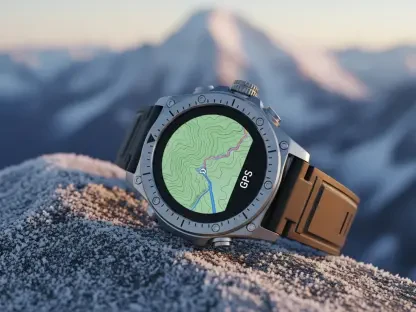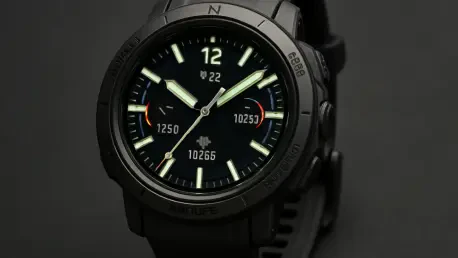

The Garmin Instinct Crossover AMOLED represents a fascinating intersection of old-world horology and cutting-edge biometrics. By integrating physical, luminescent hands with a high-definition AMOLED display, Garmin has created a device that feels less like a wearable computer and more like a modernized piece of tactical equipment. This model specifically targets the “purist” adventurer—someone who values the glanceable reliability of a traditional watch face but requires the deep data processing of a top-tier multi-sport trainer. Built with a titanium-reinforced bezel and sapphire crystal, it is designed to withstand the rigors of high-altitude trekking and heavy-duty “rucking” without sacrificing its sophisticated, analog soul.
The following interview explores the practical realities of using such a specialized hybrid in the field, detailing how its unique mechanical components and power demands shape the experience of the modern outdoorsman.
High-end hybrids often struggle to balance classic aesthetics with high-density data. Since the physical hands on this model move dynamically to act as compass needles or clear the way for metrics, how does this mechanical movement impact the user experience during high-intensity navigation or when checking complex training loads?
The mechanical movement is actually one of the most seamless parts of the experience, thanks to what Garmin calls RevoDrive technology. When you interact with the watch to check your heart rate or training load, the hands instantly snap to the 9 and 3 o’clock positions to create a clear horizontal window for the digital text. In navigation modes, they serve a functional purpose by aligning with the compass to act as physical pointers, which feels much more intuitive than a digital arrow. However, there is a minor friction point: while the hands move out of the way during an active GPS session, they stay in that “clear” position permanently. This means if you are four hours into a hike and want to know the actual time of day, you often have to scroll through data screens because the hands aren’t pointing at the hour markers, which can be a bit counterintuitive for an analog-first device.
Upgrading to a vibrant AMOLED screen and a sapphire crystal lens significantly increases visibility but reduces battery life to about 14 days in smartwatch mode. When planning a multi-day thru-hike, what specific power-management steps or setting adjustments would you recommend to ensure the device lasts between charging points?
Moving from the 28-day battery of the original Crossover to the 14-day window of the AMOLED version requires a more disciplined approach to power. During a 70-mile test hike, we observed that using “All Systems” GPS mode drains the battery at a rate of roughly 4% to 5% per hour. To stretch the life of the watch over a five-day trek, I recommend switching to a more conservative GPS setting or using the Battery Saver mode, which can extend longevity up to 18 days. You should also be mindful of the LED flashlight; while it is incredibly bright and useful for navigating a dark campsite, frequent use will rapidly deplete your reserves. Carrying a small power bank is advisable for long-distance endeavors, as a full day of 7-8 hours of tracking can easily leave you with about 50% battery by the first evening.
This device lacks a touchscreen and relies on a five-button layout, including a dedicated LED flashlight toggle. For an adventurer wearing gloves or navigating in the dark, what is the learning curve like for these controls, and how do the tactile buttons compare to modern touch interfaces in rugged environments?
The lack of a touchscreen is actually a benefit in the environments this watch was built for, as sweat, rain, and heavy gloves often make touch interfaces temperamental. The five-button layout is traditional for the Instinct line, though these are the flatter, more integrated buttons rather than the prominent round ones found on the Fenix series. This can make them a bit “fiddly” to find by feel alone when your hands are cold or you are operating in total darkness. There is a learning curve involved; for instance, double-clicking the top-left button toggles the flashlight, while long-pressing various buttons opens toolboxes or the compass. It took several days of constant use on the trail before the muscle memory really set in, but once you master it, the tactile feedback is far more reliable than swiping a screen in a rainstorm.
While the watch offers multi-band GPS tracking and a specialized rucking mode, it does not provide full-color topographical maps. In what specific scenarios would a specialist rely on these precise tracking metrics, and how should they integrate a secondary navigation tool to compensate for the lack of onboard mapping?
The Instinct Crossover is primarily a world-class tracker rather than a primary navigator. Specialists like rucking enthusiasts or trail runners will find immense value in the Multi-Band GPS, which provided pristine, beat-for-beat location accuracy even when crossing a 2.5-mile sea causeway at low tide. However, because there are no onboard topo maps, you cannot rely on the watch to show you terrain features or complex trail junctions. In these scenarios, the watch should be used to monitor physiological “Training Load Focus” and pace, while a secondary tool—like a handheld GPS, a smartphone with offline maps, or even a mapping-heavy watch like the Suunto Vertical 2—is used for actual route finding. This “two-device” strategy ensures you have the precise biometrics for recovery and performance without getting lost in the backcountry.
The analog hands are designed to stay out of the way during active tracking, yet this can sometimes obscure the actual time of day. What are the practical trade-offs of this “data-first” layout for a user who needs to monitor both their physiological performance and their strict daylight window?
The “data-first” layout creates a specific challenge for hikers who are racing against a sunset. During our testing in winter conditions with less than eight hours of sunlight, the fact that the hands stayed parked at 9 and 3 o’clock while in activity mode was a genuine drawback. You can see your elapsed time and distance perfectly, but knowing it’s 3:45 PM requires an extra button press to scroll to a dedicated time screen. The trade-off is that you get a completely unobstructed view of your heart rate and ascent data, which is beautiful on the new AMOLED screen. For users who need to manage a strict daylight window, I suggest customizing your activity data fields to include “Time of Day” as one of the digital metrics so you don’t have to rely on the mechanical hands for that specific information.
With a price tag of $649, this model is positioned significantly higher than standard rugged smartwatches. Considering the inclusion of premium materials like titanium and the specialized RevoDrive technology, which specific types of professionals or outdoor enthusiasts gain the most value from this particular hardware investment?
This is a premium investment for a very specific niche: the outdoor enthusiast who wants a “one-watch” solution that looks professional enough for the office but is tough enough for a 19-mile mountain day. The value lies in the $200 jump over the standard Instinct 3, which buys you the sapphire glass, titanium-reinforced bezel, and the sophisticated mechanical hand system. Professionals like field researchers, tactical athletes, or serious “ruckers” who carry heavy loads and need specific energy expenditure metrics will find it worth the cost. It is for the person who finds standard smartwatches too “gadgety” and wants a piece of equipment that feels like a traditional survival tool while still providing the “Body Battery” and sleep coaching insights of a high-end Garmin.
What is your forecast for the future of analog-digital hybrid sports watches?
I believe we are entering an era where the “hybrid” will no longer be seen as a compromise, but as the gold standard for luxury rugged wearables. As display technology like AMOLED becomes even more efficient, we will likely see more brands attempting to integrate physical hardware—like mechanical hands or even physical bezels—that interact dynamically with digital overlays. I suspect the next step will be the inclusion of transparent display layers that allow for full-color mapping to exist behind the physical hands, solving the navigation gap we see today. For the reader, my advice is this: choose your gear based on your most frequent “worst-case scenario.” If you often find yourself in wet, cold environments where screens fail and batteries die, the tactile reliability and glanceable nature of a high-end hybrid like the Crossover remains an unbeatable advantage.